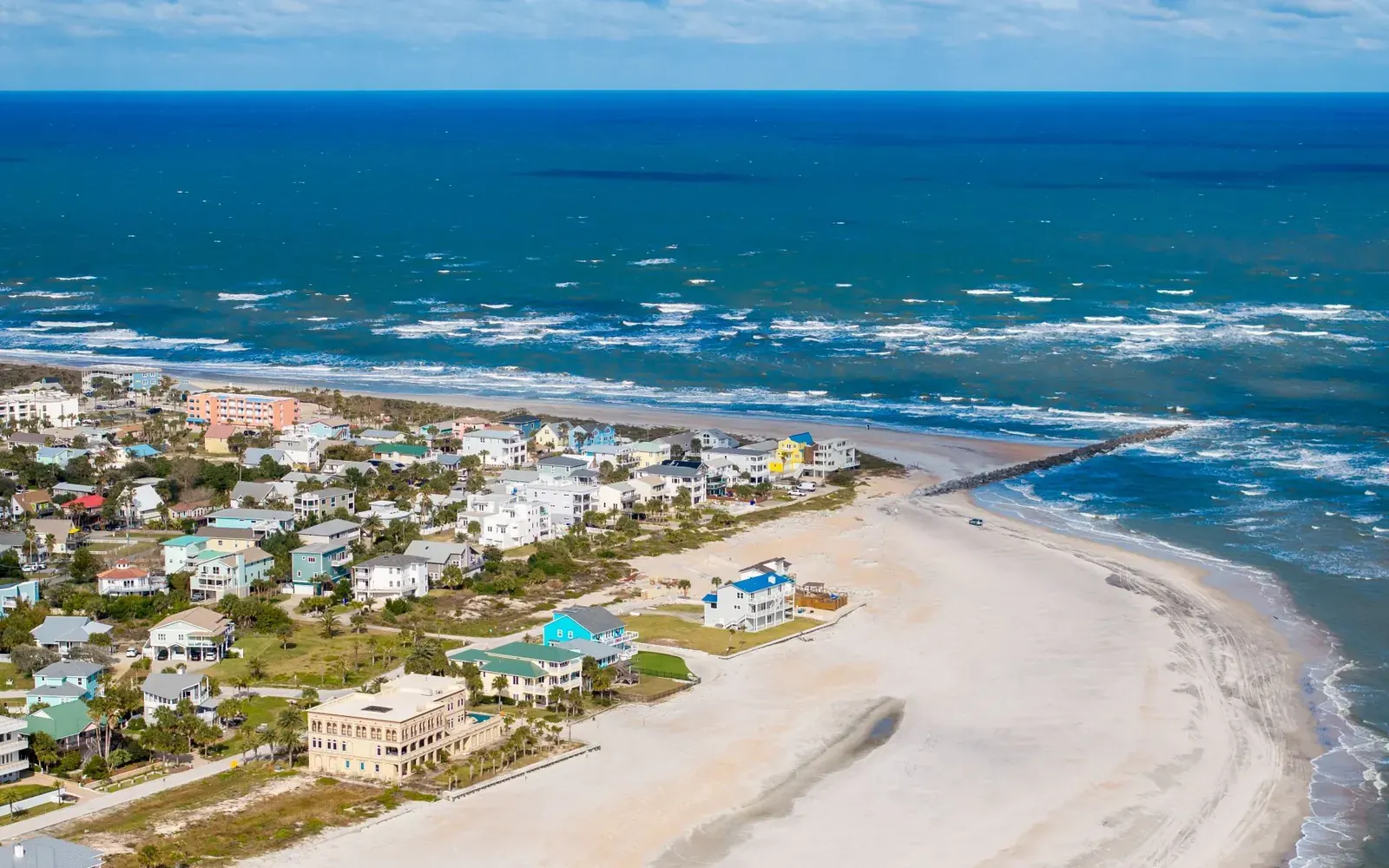
Thinking about turning a St. Augustine Beach home or condo into a short-term rental? You are not alone, and you are smart to ask questions first. Rules, taxes, and setup choices can feel complex, especially in a coastal market with strong seasonal demand. In this guide, you will learn the basics so you can plan with confidence, avoid avoidable fines, and set realistic income goals.
What counts as a short-term rental
Most communities define short-term rentals as stays of fewer than 30 days. In St. Augustine Beach, you should expect city, county, and state requirements to apply. If you buy in an HOA or a condo building, separate association rules may also limit how often and how long you can rent.
The bottom line: always confirm the rules for your exact address before you list your property on any platform.
Local rules and permits
City, county, and state rules work together in this market. Here is what to expect and verify with the City of St. Augustine Beach and St. Johns County:
- State license and local permits. Florida requires a vacation rental license from the Department of Business and Professional Regulation (DBPR) for a home or condo rented more than three times a year for less than 30 days at a time. Many cities also require you to register, renew each year, and pay fees, and some require inspections.
- Local contact. Plan to list a 24/7 local contact who can respond to complaints within a set time.
- Occupancy and parking. Maximum occupancy often depends on bedrooms or square footage. Parking limits are common near the beach.
- Noise and quiet hours. Most beach communities enforce quiet hours and restrict amplified sound.
- Safety standards. Expect requirements for smoke detectors, carbon monoxide alarms where applicable, fire extinguishers, clear egress, and pool barriers for properties with pools.
- Display rules. Some cities require you to display your registration number in listings and inside the property.
HOA and condo rules can be more restrictive than city rules. Many associations limit rentals under 30 days or require approvals. Review the most recent governing documents and any pending changes before you buy or list.
Noncompliance can lead to fines or permit revocation. Many places use a complaint-driven model, so strong neighbor relations matter.
Taxes you must collect
Short-term rentals in Florida are subject to state and local taxes. Plan for the following:
- Florida sales and use tax on transient rentals. You typically register with the Florida Department of Revenue and file returns.
- St. Johns County's 5 percent tourist development tax, filed monthly with the county Tax Collector. The county also requires a local business tax receipt.
- Platform collection. Some booking sites collect and remit certain taxes in some jurisdictions, but you are responsible for confirming what is covered and what you still must file.
- Local business taxes. The city or county may require a business tax receipt or local license.
Build a simple tax calendar with due dates and filing reminders. Late filings often carry penalties.
Earning potential and demand
Revenue depends on location, property features, and seasonality in St. Augustine Beach. These factors tend to drive nightly rates and occupancy:
- Proximity to the beach and walkable access to restaurants and attractions.
- Water views, parking, and the number of bedrooms and bathrooms.
- Pet-friendly policies and family-ready amenities like cribs or beach gear.
Seasonality matters. Spring and summer are often strong, with steady shoulder seasons. Holidays and special events can spike demand. Use professional tools and local data to estimate average daily rate, occupancy, and monthly revenue. Pair analytics with input from local property managers and visitor bureau trends to set realistic expectations.
Track your metrics over time. Focus on ADR, occupancy rate, RevPAR, booking lead time, cancellation rate, and guest review scores. Small improvements in response time, photography, and listing accuracy can boost both occupancy and reviews.
Operations and guest safety
Treat your rental like a small hospitality business. A clear plan protects your guests, your neighbors, and your investment.
- Insurance. Many homeowner policies exclude short-term rentals. Speak with an insurance broker about STR-specific coverage and liability limits. Coastal properties can face higher premiums, so price that in.
- Safety checklist. Install and maintain smoke detectors, carbon monoxide alarms where applicable, and fire extinguishers. Confirm proper railings, clear exits, and pool barriers if you have a pool.
- House rules and neighbor care. Post quiet hours, parking instructions, and guest limits. Use professional cleaning between stays and inspect after each turnover.
- Local contact response. Keep a 24/7 contact who can handle noise or parking issues promptly. Quick responses reduce complaints and enforcement risk.
Create an in-home guide with emergency contacts, local ordinances, evacuation routes, and check-out steps. Keep a log of safety checks and maintenance.
Hurricane readiness
Coastal rentals require a plan for hurricane season. Prepare for storms before they form.
- Property plan. Document boarding or shutter steps, generator policies, and who does what.
- Guest communications. Share clear pre-storm guidance and refund or rebooking policies for evacuations.
- Insurance documentation. Keep policy numbers, photos, and inventory lists on hand. Know your claims steps and timelines.
- Evacuation awareness. Understand local zones and post evacuation routes in the home.
A well-documented plan keeps guests safe and speeds recovery after a storm.
Buyer due diligence
If you are buying a property to use as a short-term rental, verify these items early:
- Legal use. Confirm whether the City of St. Augustine Beach requires STR registration or permits and whether your specific address qualifies. Ask about inspections, occupancy, parking, and penalties.
- HOA or condo rules. Get the latest covenants and bylaws. Look for rental minimums, approval processes, and guest screening rules.
- Property details. Verify bedroom count, septic or sewer, on-site parking spaces, pool safety features, and any upgrades needed to meet code.
- Financials. Request historical income and expenses if the property has operated as an STR. Compare with analytics and local manager estimates. Model conservative net income, including management, cleaning, utilities, platform fees, higher insurance, and capital reserves.
- Insurance and lending. Obtain quotes for STR coverage and confirm your lender allows short-term rentals.
- Transfer steps. If the property holds an existing registration, ask if it is transferable and whether a new inspection is required.
Seller checklist
If you plan to sell a home that operates as an STR, package the facts a buyer will ask for:
- Copies of registrations or permits and any inspection records.
- HOA or condo documents with rental rules and recent updates.
- Detailed income and expense statements for the past one to two years.
- A summary of safety features, hurricane plan, and recent upgrades.
- Links to listing photos and guest review themes if available.
Clean documentation supports your price and shortens buyer diligence.
Quick-start checklist
Use this simple list to move forward with confidence:
- Verify city and county STR permitting and register if required.
- Get a Florida DBPR vacation rental license, and register for state sales tax and the St. Johns County tourist development tax.
- Review HOA or condo rules for rental limits and approvals.
- Secure STR-appropriate insurance and confirm liability coverage.
- Build a safety plan and a hurricane plan and post them for guests.
- Choose a 24/7 local contact who can respond quickly to issues.
- Standardize cleaning and inspection between stays.
- Use STR analytics and local manager input to set ADR and occupancy goals.
- Track ADR, occupancy, RevPAR, and reviews and refine monthly.
Partner with a local advisor
You do not have to sort out rules, taxes, and revenue planning alone. If you are buying, we will help you evaluate properties, confirm use and permitting, and model conservative income. If you are selling, we will package your STR story, highlight guest appeal, and present clean financials to buyers.
Ready to explore your options in St. Augustine Beach? Get local guidance and a data-backed plan with David Stanley.
FAQs
Do I need a special STR permit in St. Augustine Beach?
- Possibly. Many cities require registration, a local contact, and compliance with occupancy, parking, and safety rules. Confirm current city requirements for your exact address.
What taxes apply to short-term rentals in this area?
- Expect state sales tax on transient rentals and a county tourist development tax, plus any local business taxes. Register and file with the proper agencies.
Will Airbnb or other platforms handle my taxes for me?
- Sometimes. Some platforms collect and remit certain taxes in some places, but you must verify what they cover and file any remaining returns yourself.
Can my HOA or condo limit short-term rentals?
- Yes. Associations often restrict stays under a certain length or require approvals. Review the governing documents and any pending changes before you buy or list.
Is special insurance required for STRs near the beach?
- Standard homeowner policies often exclude short stays. Work with a broker to secure STR-specific coverage and liability limits suited to coastal risk.
How do I estimate income for a St. Augustine Beach rental?
- Combine STR analytics for ADR and occupancy with local manager input and visitor trends. Model conservative net income and include insurance, cleaning, utilities, fees, and reserves.
New articles by email
Get my new articles every Saturday
One short email a week with what I posted: Palm Coast news, local events, community guides and the market. No new articles, no email.

About the Author
David Stanley is a Broker Associate with CENTURY 21 Fine Homes & Estates Realty Exchange and has lived in North Florida for 23 years. A former Flagler Beach Ocean Rescue lifeguard and firefighter, he has closed over $60 million in Palm Coast-area sales.
More about David · Pick a time to talk