Dreaming of morning tee times and sunset course views in Palm Coast? You are not alone. Many buyers come for the lifestyle then realize every golf community works a little differently on costs, memberships, and daily life. In this guide, you will learn what to look for before you buy, how fees and rules work, and what affects long-term value in Flagler County. Let’s dive in.
Why Palm Coast for golf living
Palm Coast sits on Florida’s northeast coast with easy access to beaches, I‑95, and regional hubs like Jacksonville and Daytona Beach. The area attracts retirees, move-up buyers, and relocators seeking a leisure-friendly lifestyle. You will find year-round golf weather and a range of neighborhood options from quiet fairway settings to socially active club scenes. Keep Florida-specific ownership factors in mind, including windstorm and flood exposure that shape insurance and maintenance budgets.
Home types and lot positions
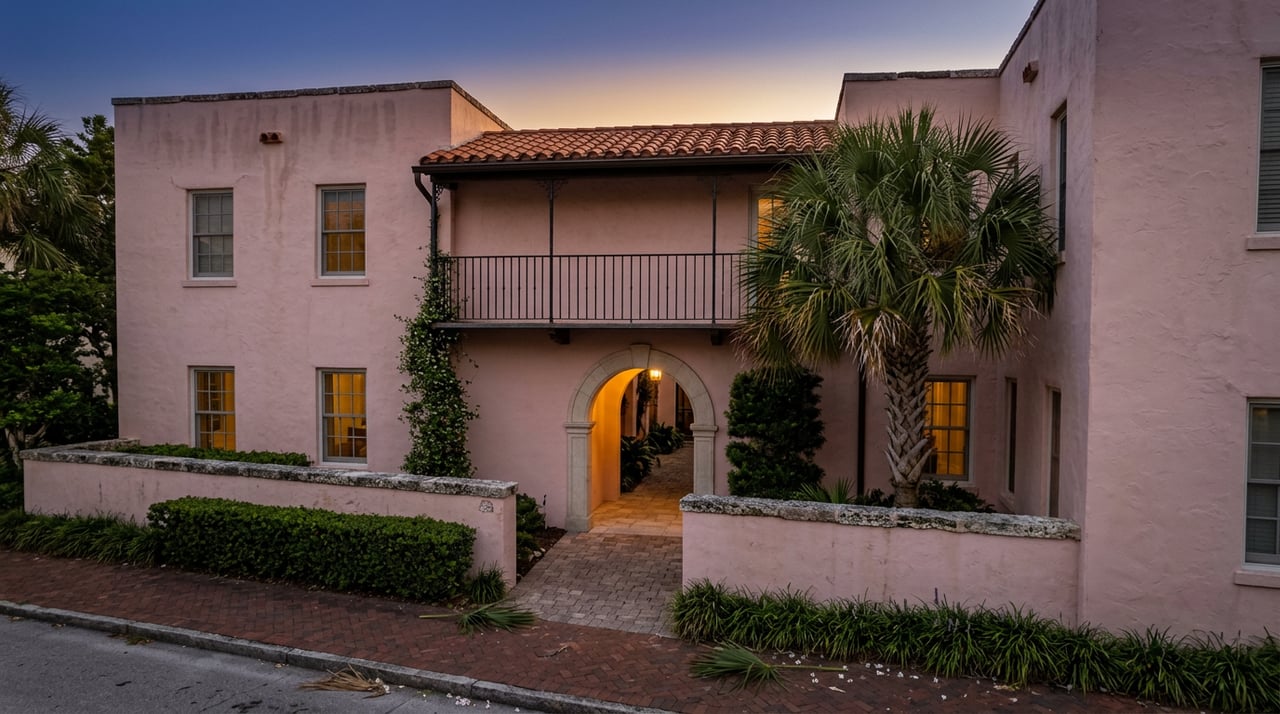
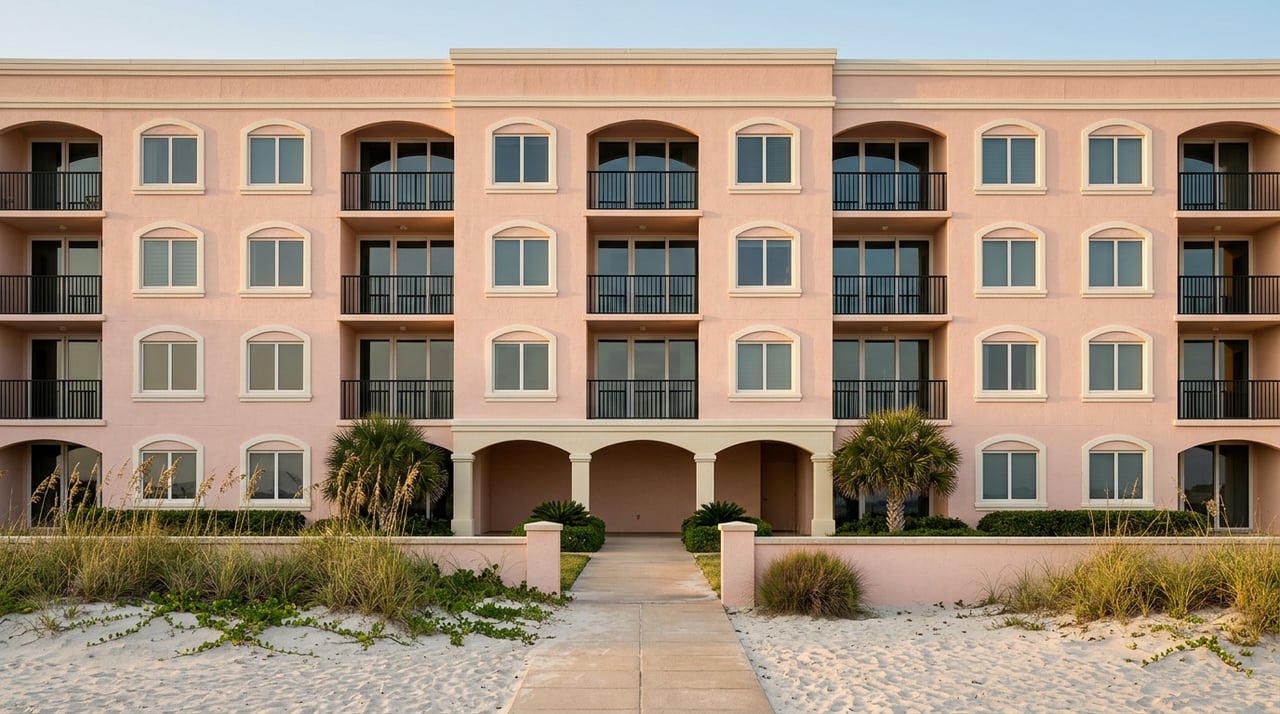
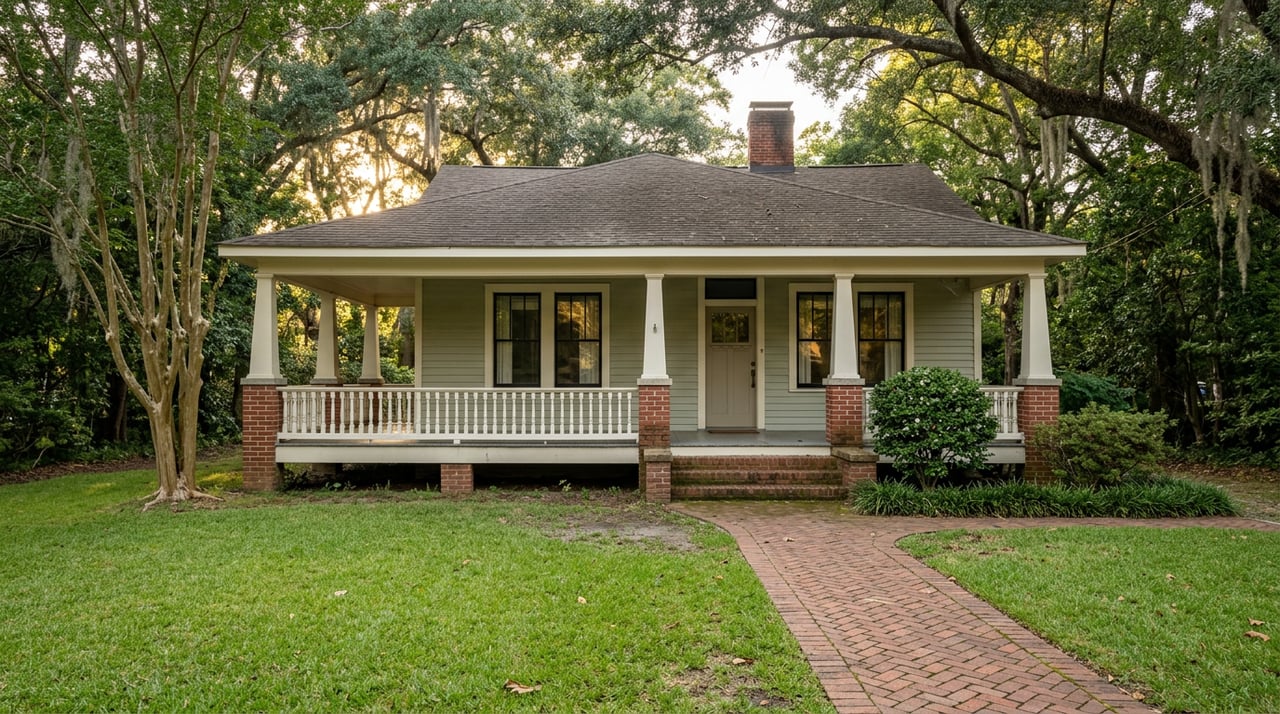
You will see a mix of single-family homes, villas or carriage homes, and sometimes condos near club centers. Single-family homes offer space and privacy while villas aim for lower maintenance. Condos may appear near amenities but are less common in strictly private clubs.
Lot position matters for both lifestyle and resale. Golf-front lots often command a premium for views and proximity. Adjacent or near-course lots can be a short walk to the action without direct exposure. Interior lots usually come at a lower price point and reduce golf-related activity around your home.
Amenities and daily life
Most golf communities feature a clubhouse with dining, a bar or lounge, and event space. Expect core golf facilities such as an 18- or 9-hole course, pro shop, and practice areas. Many neighborhoods add a fitness center, pool, tennis or pickleball courts, and walking or bike trails.
Daily rhythms differ by community. Some offer active social calendars with clubs, leagues, and fitness classes. Others keep it quieter for buyers who want scenic course views without frequent events. Expect morning maintenance activity and irrigation schedules, and know that tournaments or weddings can create short-term traffic near the clubhouse.
Costs and fees to expect
Budget beyond the mortgage so you understand the true cost of ownership. Verify each item with current schedules from the HOA and club.
- HOA or community association dues covering common-area care, amenity upkeep, and reserves
- Golf initiation fees for some private or equity clubs
- Monthly or annual golf dues if you want course access
- Cart fees, personal cart storage, and occasional assessments
- Food and beverage minimums at some private clubs
- Special assessments for large projects like course or clubhouse renovations
- Property taxes and utilities
- Homeowner insurance, plus wind or hurricane coverage as needed
- Flood insurance if required by your lender or risk profile
- Optional costs like locker rentals, lessons, guest fees, or event facility charges
Fees vary widely by community type, so avoid assumptions. Ask for written schedules, history of increases, and a record of any past special assessments.
Membership models explained
Membership terms can shape your day-to-day experience and your resale options. Understand the structure before you write an offer.
- Equity clubs. Members buy a share in the club with governance rights. Membership transfer rules and refunds can affect resale.
- Non-equity private clubs. Operated by a company that sets rules and fees. Initiation may be lower, but you have less control over policy changes.
- Semi-private or public courses. Owners often live in a community with access to preferred or member rates, while public play is allowed.
- Social memberships. Offer clubhouse and amenity use without full golf access. Useful for non-golfers in the household.
- Trial, junior, or limited memberships. Provide a way to test the fit before you commit to full privileges.
Always confirm membership availability, any waiting list, and whether ownership of a home includes or excludes membership. Verify if memberships are transferable with the home sale or require a separate purchase.
Governance and documents to review
Healthy associations and well-run clubs protect property values. Request these documents early and review them closely.
- CC&Rs, bylaws, and rules or regulations
- Current budget, recent annual reports, and balance sheet
- Reserve study and reserve funding history
- Board meeting minutes for the last 12 to 24 months
- Association insurance certificates with attention to wind or hurricane coverage and deductibles
- Club bylaws, membership agreements, golf fee schedules, and tee-time policies
- Course ownership or management agreements, including any ground leases
- Records of large capital projects and bids such as drainage or course renovation
Watch for patterns in the minutes. Repeated drainage issues, aging infrastructure, or budget shortfalls point to higher risk.
Smart questions for HOA and club
Go beyond the brochure. Ask targeted questions to reveal real operating practices and possible future costs.
- Who owns the course and clubhouse. Are they under the HOA or a separate operator?
- How many golf memberships exist relative to the number of homes. Is there a waiting list?
- Are memberships transferable with resale or do buyers start from scratch?
- What are all recurring fees today and are increases scheduled?
- What is the history of special assessments over the last 5 to 10 years?
- What are tee-time policies, member priority rules, and guest restrictions?
- What are rental and short-term leasing rules if you plan seasonal use or investment?
- What restrictions apply to exterior changes, landscaping, paint, or solar panels?
- How does the community handle storm prep and debris removal after events?
- What is the environmental policy for irrigation water, pesticides, and runoff?
Environmental and storm factors
Palm Coast’s coastal setting is a lifestyle draw. It also makes insurance and storm readiness central to your decision. Check flood zone and elevation to understand whether lenders will require a separate flood policy. Ask about stormwater drainage or any history of standing water along fairways or low-lying streets.
Find out whether the course uses reclaimed or potable water for irrigation and whether water-use restrictions have affected landscaping in dry periods. Review maintenance schedules to gauge noise and lighting near your home. If the club is planning course renovations, ask how changes could impact views, playability, and activity levels behind the property.
Resale and market factors
Location on the course can influence both price and future liquidity. Golf-front homes often command premiums in healthy, well-maintained communities. That premium depends on course quality, views, and how well the HOA and club are managed.
Some clubs with higher fees or strict membership caps appeal to a narrower buyer pool. That can lengthen days on market when you sell. Age-restricted communities can also reduce the buyer pool. Property values may track the health of the club and HOA, so watch for reserve strength, maintenance quality, and the stability of the golf operation.
Consider risk factors that affect long-term value. Course closure or redevelopment can erode the primary amenity that supports premiums. Unfunded reserves and frequent special assessments suggest deferred maintenance. Shifts in demographics or declining social programming may reduce appeal. Rising insurance costs or flood exposure can change affordability and resale.
Your buyer checklist
Use this step-by-step list to move from research to confident decisions.
- Ask your agent to secure CC&Rs, bylaws, the current budget, reserve study, and 12 to 24 months of meeting minutes.
- Confirm whether golf privileges transfer with the property or require a separate membership purchase.
- Request the membership agreement, fee schedule, and any transfer terms for club access.
- Hire a licensed home inspector with attention to roof condition, irrigation, drainage, and coastal wear.
- Obtain a flood-zone determination and insurance quotes for homeowner, wind or hurricane, and flood coverage.
- Speak with current residents and the membership manager about event frequency, maintenance timing, and any planned projects.
- Verify rental and occupancy rules if you plan seasonal use or investment.
- Review recent comparable sales for golf-front versus interior lots in the same community.
- Clarify storm prep procedures and post-storm debris removal responsibilities.
- Confirm landscaping responsibilities and any restrictions on exterior changes.
How a local advisor helps
Buying into a golf community is part home search and part due diligence. A local expert can surface the right documents, read between the lines in budgets and minutes, and compare membership models across neighborhoods. You also want practical insight on daily rhythms, from morning mowers to tournament weekends.
As a consultative partner, a local broker can coordinate document requests, line up inspections, and connect you with insurance pros for tailored quotes. You get market context on golf-front premiums, liquidity trade-offs, and community stability so you can buy with confidence.
If you are weighing a move into a Palm Coast golf community, let’s talk about your goals and budget and match them to the right neighborhood fit. Reach out to David Stanley to start a focused search and get a clear plan for due diligence.
FAQs
Do Palm Coast golf communities require a golf membership?
- Often no. Many communities sell homeownership and golf access separately. Always confirm the rules and any waiting lists with the club.
Are HOA fees higher in golf neighborhoods in Flagler?
- Generally yes due to course and amenity upkeep, but amounts vary widely. Review the current budget, reserve funding, and any history of special assessments.
How do golf-front homes in Palm Coast resell?
- They can command premiums when the club and HOA are healthy. Liquidity depends on fees, buyer demand, and the overall quality of course maintenance.
What insurance do I need for a Palm Coast golf home?
- Expect homeowner coverage plus wind or hurricane coverage as needed. Flood insurance may be required based on your flood zone and lender.
What if the golf course closes in my community?
- Property values tied to the course can drop. Ask who owns the course, what protections exist, and whether easements or agreements limit redevelopment.