If you are trying to figure out where to live in Gainesville, the hardest part is not finding a neighborhood. It is finding the right neighborhood style for your day-to-day life. Some areas offer historic homes and short in-town trips, while others give you newer homes, more open space, and a more commuter-based routine. This guide will help you compare Gainesville’s main neighborhood styles so you can focus on what fits you best. Let’s dive in.
How Gainesville Neighborhood Styles Compare
A helpful way to think about Gainesville is as a gradient. Near downtown and the UF-adjacent core, you will find older in-town neighborhoods, historic districts, and more walkable urban areas. Farther west and southwest, you will see more master-planned suburban communities, with newer edge-of-cluster options in places like Jonesville and Tioga.
City and county planning documents support that pattern. Downtown is the city’s recommended high-density core, while much of the newer development in the broader area is directed toward the Urban Cluster around Gainesville and activity centers such as Jonesville. For you, that means neighborhood choice often comes down to a few lifestyle questions: How much space do you want, how often do you want to drive, and how close do you want to be to UF or downtown?
Historic In-Town Neighborhoods
What areas fit this style
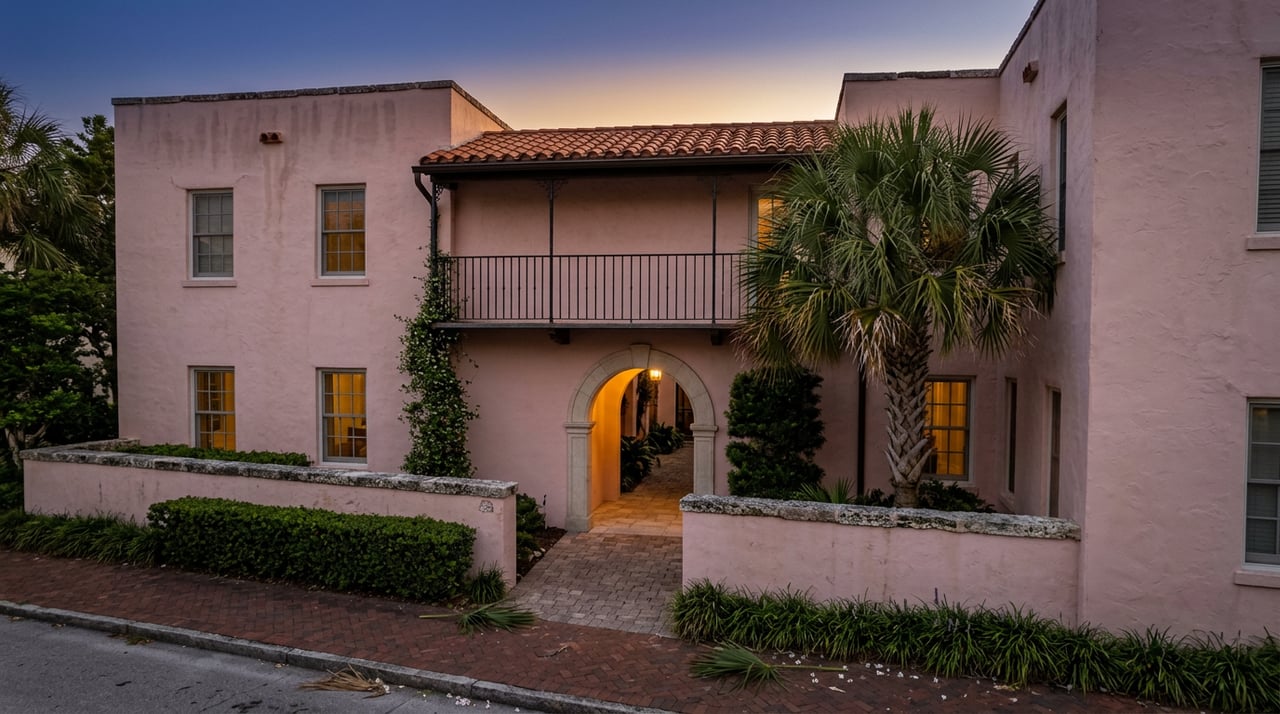
If you love older homes and central locations, start with places like Duckpond, Pleasant Street, Southeast, and nearby early neighborhoods. Gainesville has five local historic districts protecting more than 1,500 historic structures, and several of these in-town areas reflect the city’s earliest development patterns.
The Northeast Residential Historic District dates to the original 1854 plat. It includes Duck Pond and Sweetwater Branch and is described by the city as a grid of mostly 50-by-100-foot lots with 10-to-15-foot setbacks, tree-lined streets, and well-maintained yards.
What the lifestyle feels like
This style tends to appeal to buyers who want character, mature streetscapes, and short trips around town. Duckpond, for example, is largely residential and anchored by Sweetwater Creek and the Thomas Center and Gardens, which helps give it a distinct in-town feel.
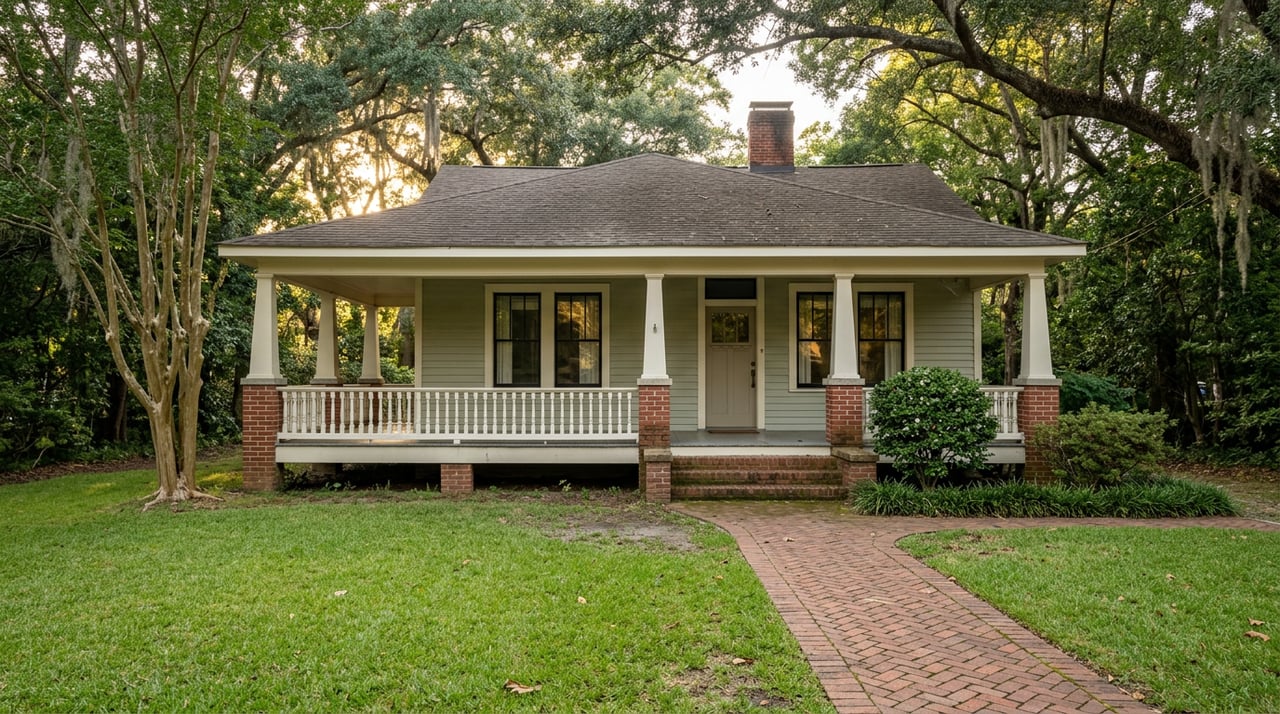
Pleasant Street and Southeast offer a different mix of historic housing stock. According to the city, Pleasant Street includes wood-frame vernacular homes, bungalows, Queen Anne, Colonial, and Eastlake Victorian residences, while Southeast includes Queen Anne and Colonial Revival homes along with a French Second Empire example.
What to weigh before you choose
Historic neighborhoods often ask for trade-offs. You may get strong architectural character and centrality, but usually with less lot flexibility and more design oversight than you would find in newer communities.
Exterior changes in local historic districts require a certificate-of-appropriateness review under city code. If you care more about original architecture and in-town convenience than large yards or highly customizable new construction, this style may feel like a strong fit.
Campus-Adjacent Urban Neighborhoods
What areas fit this style
If your routine revolves around the University of Florida or downtown Gainesville, look closely at University Heights and downtown. University Heights North reflects architectural styles from the 1920s through the early 1950s, while University Heights South remains primarily residential and sits between UF and downtown.
The city’s special-area planning for University Heights was built around university-related housing and services and around reducing local traffic impact. That gives this part of Gainesville a very different rhythm than outer suburban areas.
Why downtown stands out
Downtown Gainesville is the city’s logical and recommended location for high-density development. The city’s strategic plan says the core around Main Street and the University corridors supports mixed-use buildings up to 14 stories, with densities stepping down toward nearby single-family areas.
For everyday living, the biggest draw is walkability and public space. The downtown plan emphasizes wide sidewalks, street trees, narrower roadways, and a park-once-and-walk pattern, while civic spaces like Bo Diddley Plaza and Depot Park are part of the core’s public-space network.
What the trade-off looks like
This is one of the best fits if you want the shortest practical commute to UF or downtown and want to walk or bike more often. It is also the most car-light part of Gainesville by comparison, although parking and traffic pressure can still be part of daily life.
The trade-off is usually less private outdoor space and fewer options for large yards or detached-garage storage. If convenience matters more to you than square footage outside, this style can make a lot of sense.
Master-Planned Suburban Communities
What areas fit this style
If you prefer more space and an amenity-driven neighborhood setting, west and southwest Gainesville offer a different experience. Haile Plantation is one of the clearest examples of this style.
Haile Plantation is a deed-restricted community with 850 properties, miles of trails, extensive wooded areas, and a village-center identity. Its HOA describes it as a place where residents can live close to town in a community that still feels like the country.
What the lifestyle feels like
This neighborhood style often works well if you want trails, planned amenities, and a more suburban pace. The draw is less about spontaneous urban walkability and more about having green space, organized community structure, and homesites that often feel more removed from the busiest parts of town.
For some buyers, that balance is ideal. You get a planned setting and neighborhood identity while still staying connected to Gainesville’s main employment and activity centers.
What commuting may look like
The commute pattern here is usually more schedule-based than in the urban core. RTS Route 150 links Haile Plantation and Reitz Union on weekdays and is described by RTS as a UF employee commuter route with four stops: Haile Plantation, Tower Square, UF Health, and Reitz Union.
That makes Haile a useful example of a suburban neighborhood that still connects to the core, but not in the same flexible, park-once-and-walk way you find closer to downtown. If you are comfortable with more routine-based commuting in exchange for space and amenities, this style may fit you well.
Emerging Outer-Ring Communities
What areas fit this style
If you want newer homes, more open space, or a village-center feel on the edge of the Gainesville area, look at Jonesville, Tioga, and similar outer-ring communities. County planning documents direct much of this newer development to the Urban Cluster and support compact, mixed-use Traditional Neighborhood Developments and Transit-Oriented Developments in places like Jonesville.
This category is especially useful for buyers who want a newer subdivision feel without being in the historic or campus-adjacent core.
What makes Tioga and Jonesville different
Tioga highlights the more master-planned side of the outer ring. Its community materials describe open spaces, bike paths, a community garden, a clubhouse, a town square, and a town center, with tree-lined streets and homes designed to feel varied and distinctive.
County mobility planning also identifies Town of Tioga as a Traditional Neighborhood Development. In practical terms, that means the area is meant to blend housing, open space, and community features in a more intentional layout.
Jonesville shows how these outer-ring areas connect back to Gainesville. RTS Route 52 currently runs between Reitz Union and Jonesville on weekdays, with no weekend service in the summer 2026 schedule.
What the trade-off looks like
Outer-ring communities usually exchange central walkability for newer housing, more open space, and intentional amenities. Transit may exist, but daily life is still much more schedule-dependent and often more car-oriented than in the urban core.
If you are comfortable driving more often and want a newer community feel or village-center environment, this style may be the better match.
Best Gainesville Neighborhood Style for Your Lifestyle
If you want historic character
Focus on Duckpond, Pleasant Street, Southeast, and other early in-town neighborhoods. These areas tend to offer the strongest architectural character, mature streetscapes, and shorter in-town trips.
If you want the shortest trips to UF or downtown
Look closely at University Heights and downtown. These areas are best suited to people who value walkability, biking, and quick access to the city core over larger lots or extra storage space.
If you want trails and planned amenities
Haile Plantation-style neighborhoods are a strong fit. They usually appeal to buyers who want more space, a planned community setting, and amenity-driven living.
If you want newer homes and more edge-of-metro space
Jonesville, Tioga, and similar outer-ring communities are worth exploring. These areas are often the best match if you want newer development patterns and more open space, while accepting a more car-dependent routine.
What to Compare Before You Decide
When you compare Gainesville neighborhoods, it helps to look beyond price and square footage. The most useful lifestyle filters are often:
- Commute to UF or downtown
- Housing age and architectural style
- Lot size and outdoor space
- Walkability and bike access
- Parking convenience
- Whether the area is shaped more by preservation rules or HOA-style standards
A neighborhood can look perfect online and still feel wrong for your weekly routine. The best choice is usually the one that fits how you actually want to live, move through town, and spend your time.
Whether you are relocating, moving across town, or narrowing down your search, having a clear picture of Gainesville’s neighborhood styles can help you make a smarter decision. If you want guidance that starts with your lifestyle and goals, connect with David Stanley for a personalized real estate conversation.
FAQs
What Gainesville neighborhoods are best for historic homes?
- Duckpond, Pleasant Street, Southeast, and other in-town historic districts are the clearest options if you want older architecture, mature streetscapes, and central locations.
What Gainesville areas are closest to UF and downtown living?
- University Heights and downtown Gainesville are the main choices for buyers who want short trips to UF or the city core, along with more walkability and bike access.
What Gainesville neighborhood style offers more trails and amenities?
- Master-planned suburban communities such as Haile Plantation are strong options if you want trails, wooded areas, deed-restricted community structure, and a village-center identity.
What Gainesville communities offer newer homes and more space?
- Jonesville, Tioga, and similar outer-ring communities usually fit buyers looking for newer development patterns, more open space, and a more car-oriented lifestyle.
What should you compare when choosing a Gainesville neighborhood?
- The most helpful comparison points are commute time to UF or downtown, home age, lot size, walkability, parking, and whether the neighborhood is governed more by historic preservation rules or HOA-style standards.