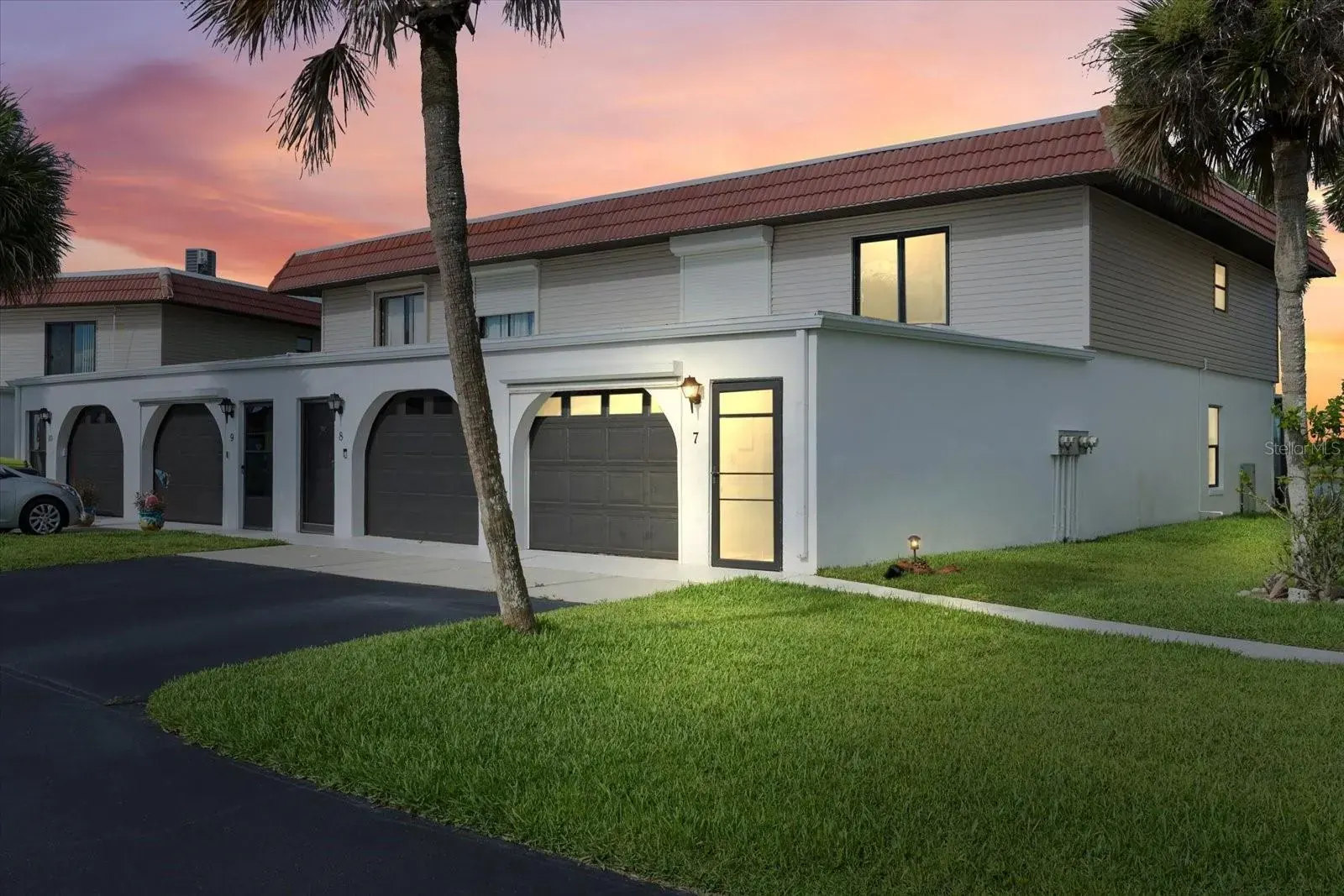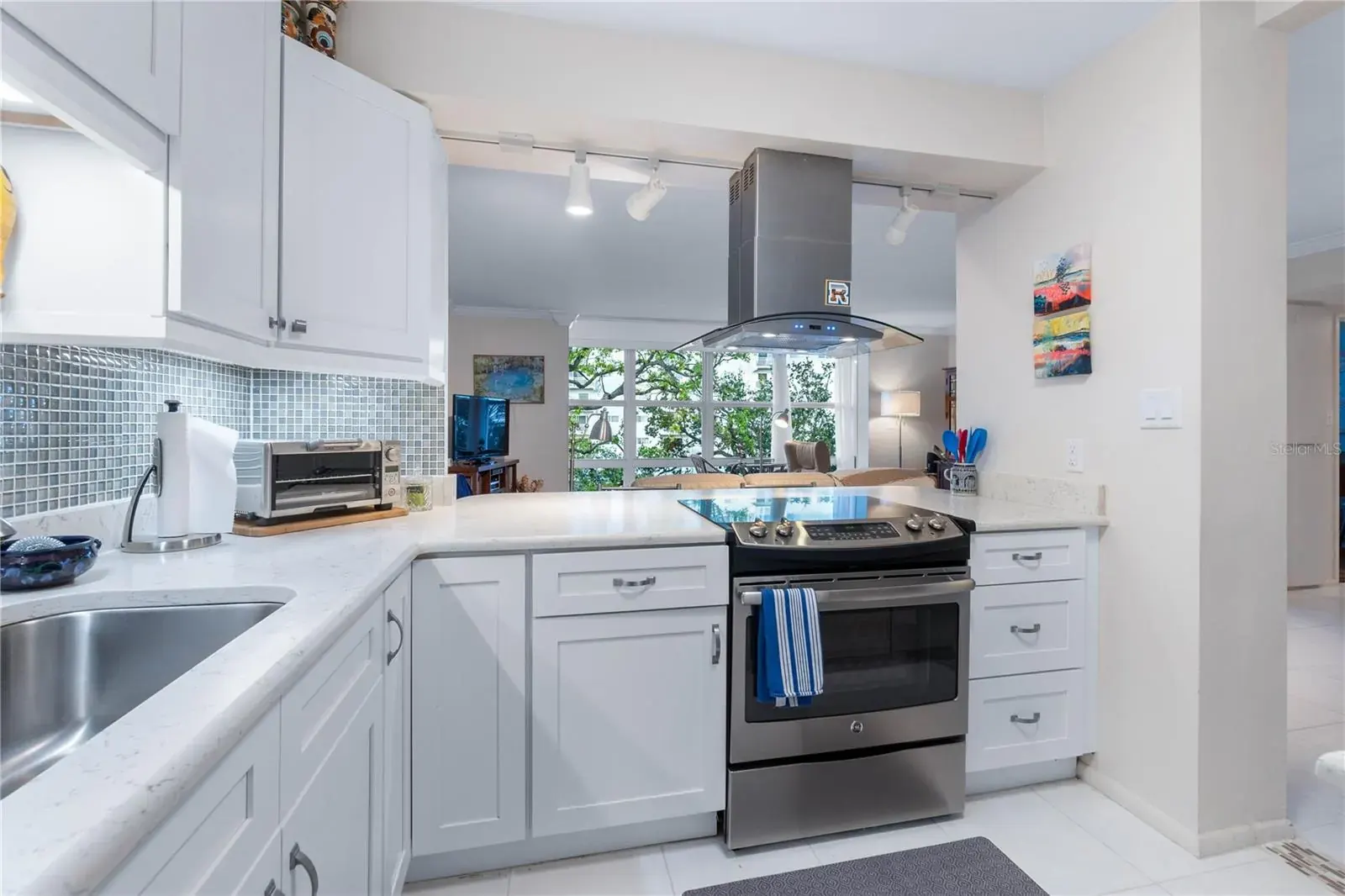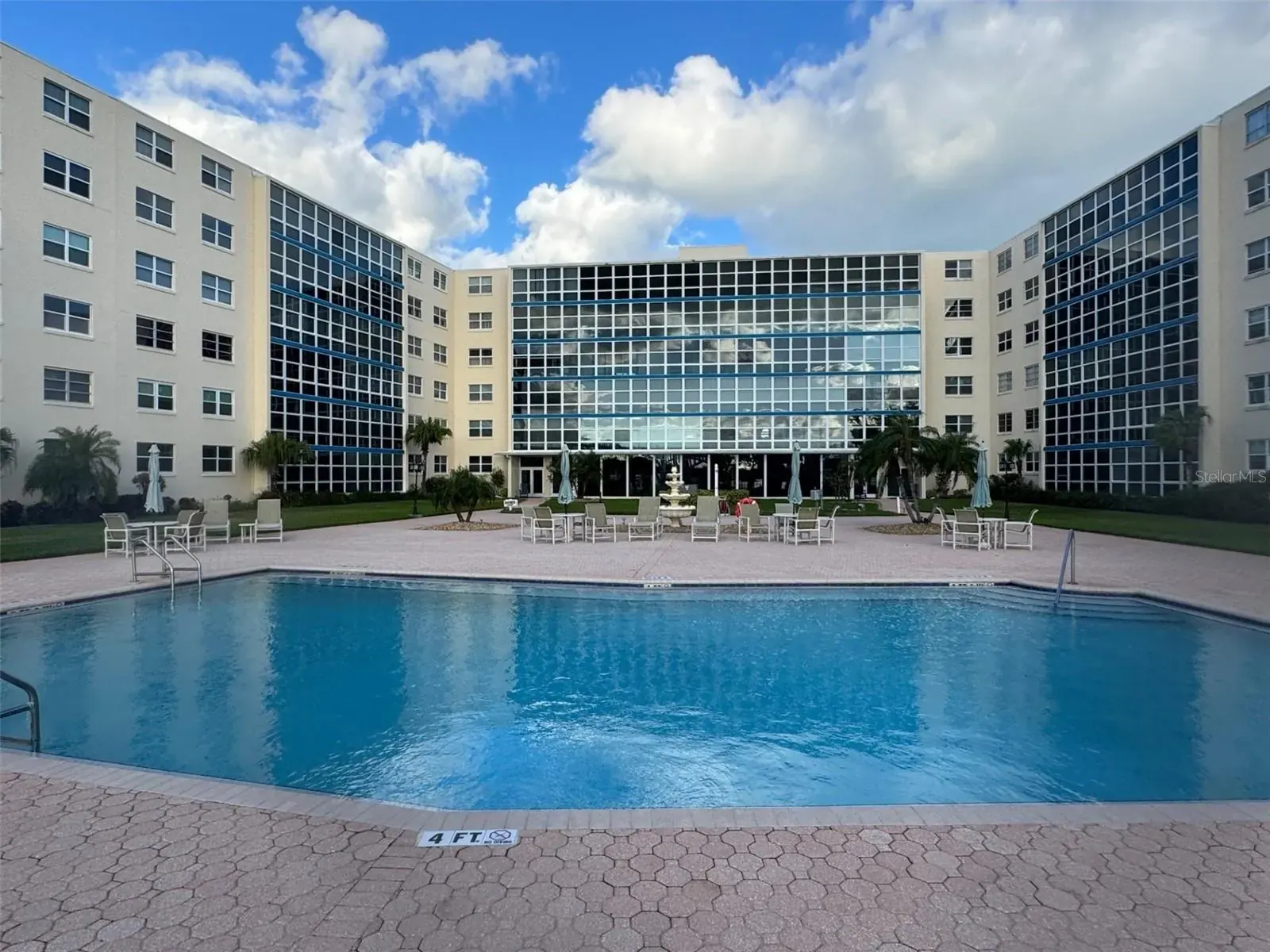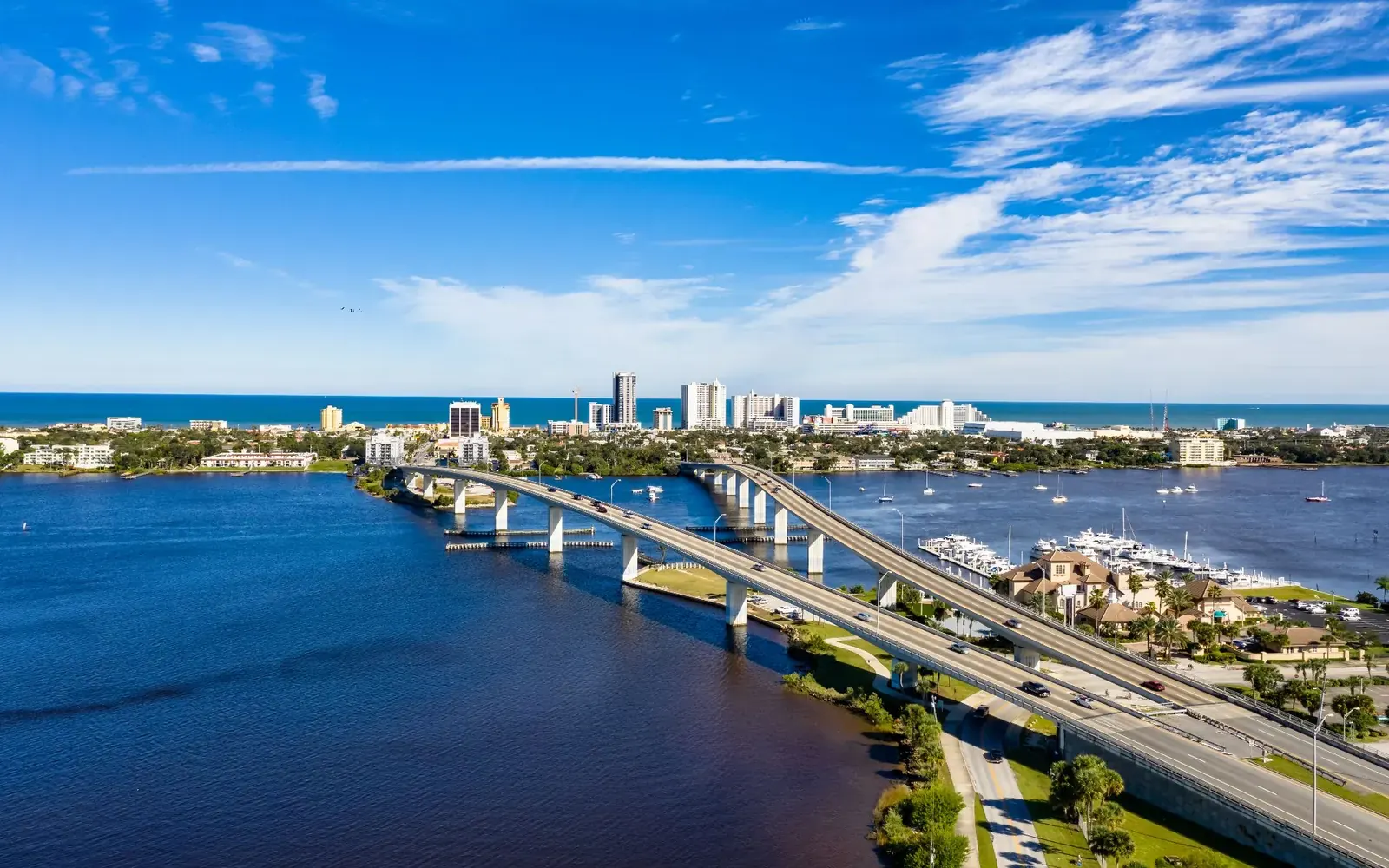
Are you dreaming about waking up to ocean air and balcony views in Daytona Beach? Coastal condo living can be a great fit, but it comes with questions that go far beyond finishes and amenities. If you want to buy with more confidence, this guide will help you understand the local risks, condo rules, building health, and financial details that matter most.
Why Daytona Beach condo buying is different
Buying a condo in Daytona Beach means buying into both a unit and a shared community structure. You are not only evaluating the home itself, but also the association, the building’s upkeep, and how well the property is prepared for coastal conditions.
That coastal setting matters. Volusia County identifies flooding as its most frequent and costly natural hazard. The county also notes that evacuation zones and flood zones are different, which is important when you are comparing buildings near the beach or intracoastal areas.
Start with coastal risk
In Daytona Beach, location is about more than proximity to the water. You should understand whether a condo is in an evacuation zone, what flood exposure may exist, and how the building and association plan for those risks.
Volusia County uses evacuation zones A through E, with Zone A considered the most at-risk. Those zones are not the same as flood zones, so a property review should include both. A condo may sit in one type of risk area without matching the other.
Flood insurance is another key part of the conversation. FEMA states that flood insurance is separate from standard homeowners insurance, and even one inch of floodwater can cause thousands of dollars in damage. That makes it important to ask what coverage the association carries for common areas and what coverage you may need for your own unit.
Questions to ask about coastal exposure
- What evacuation zone is the building in?
- Is the condo also located in a flood-prone area?
- Does the association carry flood insurance for common elements, association property, or units?
- What parts of the unit would still be your responsibility to insure?
- Have there been recent flood-related issues or mitigation updates in the building?
Understand what condo ownership really includes
A condo purchase in Florida is a mix of private ownership and shared governance. That can simplify some parts of ownership, especially exterior maintenance, but it also means your experience depends heavily on the association’s decisions, budget, and long-term planning.
Under Florida law, the association is responsible for common-element maintenance and, in some cases, certain limited common elements if the declaration assigns that responsibility. In plain terms, you need to know exactly what the association handles and what falls on you as the owner.
This is one of the biggest tradeoffs compared with a single-family home. You may have less exterior upkeep to manage yourself, but you are more dependent on the health and transparency of the association.
Look closely at HOA dues and budgets
Monthly condo dues are easy to underestimate. Many buyers see them as the price of amenities, but in reality, they also support core building operations, maintenance, repairs, replacements, and protection of common property.
Florida law treats common expenses broadly, and the board adopts the annual budget. Owners must receive at least 14 days’ notice of the budget meeting, and there are added protections if a proposed budget would push assessments above 115 percent of the prior year's assessments (an increase of more than 15 percent).
Reserve funds deserve special attention. In general, reserve funds stay in reserve accounts unless owners approve another use. For associations required to complete a structural integrity reserve study, the items covered by that study cannot simply be underfunded by a vote.
What to review in the budget
- What do the monthly dues cover?
- Have dues increased recently?
- Are reserve accounts being funded consistently?
- Has the association used loans or special assessments for major work?
- Are there any upcoming projects that may affect future costs?
Know what insurance covers and what it does not
Insurance is one of the most important parts of buying a coastal condo. Florida requires condo associations to maintain adequate property insurance, but that does not mean everything inside your unit is covered.
In general, the association policy covers the building and common property. Your personal property and several interior finish items are typically still your responsibility. That is why buyers should ask for a clear explanation of the association’s policy and its deductibles before moving forward.
Florida law also allows associations to carry flood insurance for common elements, association property, and units. Deductibles set by the board must be based on available funds and assessment authority, which means large deductibles can still affect owners financially.
Give older buildings extra scrutiny
Older coastal condos can offer great locations and character, but they require deeper due diligence. Salt air, age, and deferred maintenance can all affect long-term ownership costs.
Florida now requires milestone inspections for buildings that are three habitable stories or higher, generally when the building reaches 30 years of age and every 10 years after that. In some local circumstances, including proximity to salt water, the first inspection may be required at 25 years.
These inspections are designed to evaluate structural safety, not full code compliance. That means the report can be highly useful to you as a buyer, especially if you want a clearer picture of a building’s condition and repair needs.
Ask for the milestone inspection summary
If a building has completed a milestone inspection, ask to see the summary of material findings and recommendations. That summary can help you understand whether repairs were identified and whether the association appears to be responding appropriately.
This is one of the best ways to look past cosmetic presentation. A unit may show beautifully, but the building itself is the bigger long-term financial story.
Review the structural integrity reserve study
Florida also requires a structural integrity reserve study, often called a SIRS, for residential condo buildings that are three habitable stories or higher. This study covers major components such as the roof, structural elements, fire protection, plumbing, electrical systems, waterproofing and exterior painting, and windows and exterior doors.
The study must identify useful life, replacement cost, and a reserve funding plan. For a buyer, that makes it one of the most practical tools available for understanding whether the association is planning realistically for future repairs.
Associations that existed on or before July 1, 2022, and are controlled by unit owners had to complete the study by December 31, 2025. A building with a milestone inspection due by December 31, 2026, may complete the study at the same time, but no later than December 31, 2026. If you are considering a qualifying building, it is smart to ask whether the study has been completed and what it shows.
Use official records to evaluate the association
A well-run condo association should be able to provide records that help you make an informed decision. In Florida, official condo records include the declaration, bylaws, current rules, minutes, insurance policies, financial records, milestone reports, and the structural integrity reserve study.
DBPR says these records must be made available within 10 working days after a proper written request. Florida law also requires the association to distribute the SIRS and milestone inspection summary to owners within 45 days, and if the association has a required website, it must post the full report and summary.
Starting January 1, 2026, a condominium association with 25 or more non-timeshare units must maintain a website or mobile app with key records such as governing documents, budgets, annual financial reports, board meeting materials, inspection reports, and the most recent SIRS. That should make research easier, but it is still wise to review the documents carefully instead of relying on summaries alone.
Check lifestyle rules before you buy
Price and view aren't everything in a condo. It should also fit how you actually plan to live.
Before you make an offer, read the declaration and current rules for things like pets, parking, guests, balconies, shutters, and rental approvals. These details can shape your day-to-day experience more than many buyers expect.
A building with strong records and solid finances may still be the wrong fit if the rules do not match your needs. Clarity now can help you avoid frustration later.
If you plan to rent the condo, verify local rules
If your purchase is partly for rental income, pay close attention to Daytona Beach rules as well as association rules. The city states that its rental property registration program applies only to long-term rentals, with a minimum lease term of 6 months plus 1 day.
For shorter stays, a zoning check is required to confirm whether short-term rentals are allowed. In other words, do not assume a condo can be used the way you intend just because it is in a beach market. You need confirmation from both the city and the association.
A simple condo due diligence checklist
Before you buy a condo in Daytona Beach, make sure you can answer these questions clearly:
- What evacuation zone is the property in?
- Is the building in a flood-prone area?
- What does the association insurance policy cover?
- What items inside the unit will you need to insure yourself?
- What do monthly dues include?
- Are reserves adequately funded?
- Has the building completed a milestone inspection?
- What did the inspection summary identify?
- Has a structural integrity reserve study been completed?
- Have reserves ever been reduced, paused, or replaced by a loan or special assessment?
- What are the current rules for pets, parking, guests, balconies, and rentals?
- If you want to rent the unit, does the city allow your intended rental term?
The best Daytona Beach condo is not just the prettiest one
A smart coastal condo purchase is about more than a nice lobby or an updated kitchen. The strongest opportunities are usually buildings with transparent records, recent inspection history, adequate reserves, and rules that fit your lifestyle or investment goals.
When you buy in a coastal market, you want the full picture. That means looking at the building’s condition, the association’s financial habits, the insurance setup, and the local rental and risk factors that can shape ownership over time.
If you want help comparing condos in Daytona Beach or nearby coastal markets, David Stanley can help you sort through the details and move forward with confidence.
FAQs
What should buyers review before buying a Daytona Beach condo?
- Buyers should review the condo declaration, bylaws, current rules, budget, insurance policies, financial records, milestone inspection reports, and any structural integrity reserve study.
What do Daytona Beach condo HOA dues usually cover?
- Condo dues generally help pay for operating, maintaining, repairing, replacing, or protecting common elements and association property, but the exact split depends on the condo declaration and budget.
What insurance should buyers ask about for a Daytona Beach condo?
- Buyers should ask what the association’s property and flood insurance cover, what the deductibles are, and which interior items and personal property remain the unit owner’s responsibility.
What inspection records matter for older Daytona Beach condo buildings?
- For older buildings that qualify, buyers should ask for milestone inspection summaries and the structural integrity reserve study to better understand structural condition, repair needs, and reserve planning.
What are the Daytona Beach rental rules for condo buyers?
- The city says its rental property registration program applies to long-term rentals only, with a minimum lease term of 6 months plus 1 day, and shorter stays require a zoning check to confirm whether short-term rentals are allowed.
What is the difference between evacuation zones and flood zones in Daytona Beach?
- Volusia County states that evacuation zones and flood zones are not the same, so buyers should check both when evaluating a condo’s coastal risk.
New articles by email
Get my new articles every Saturday
One short email a week with what I posted: Palm Coast news, local events, community guides and the market. No new articles, no email.

About the Author
David Stanley is a Broker Associate with CENTURY 21 Fine Homes & Estates Realty Exchange and has lived in North Florida for 23 years. A former Flagler Beach Ocean Rescue lifeguard and firefighter, he has closed over $60 million in Palm Coast-area sales.
More about David · Pick a time to talk