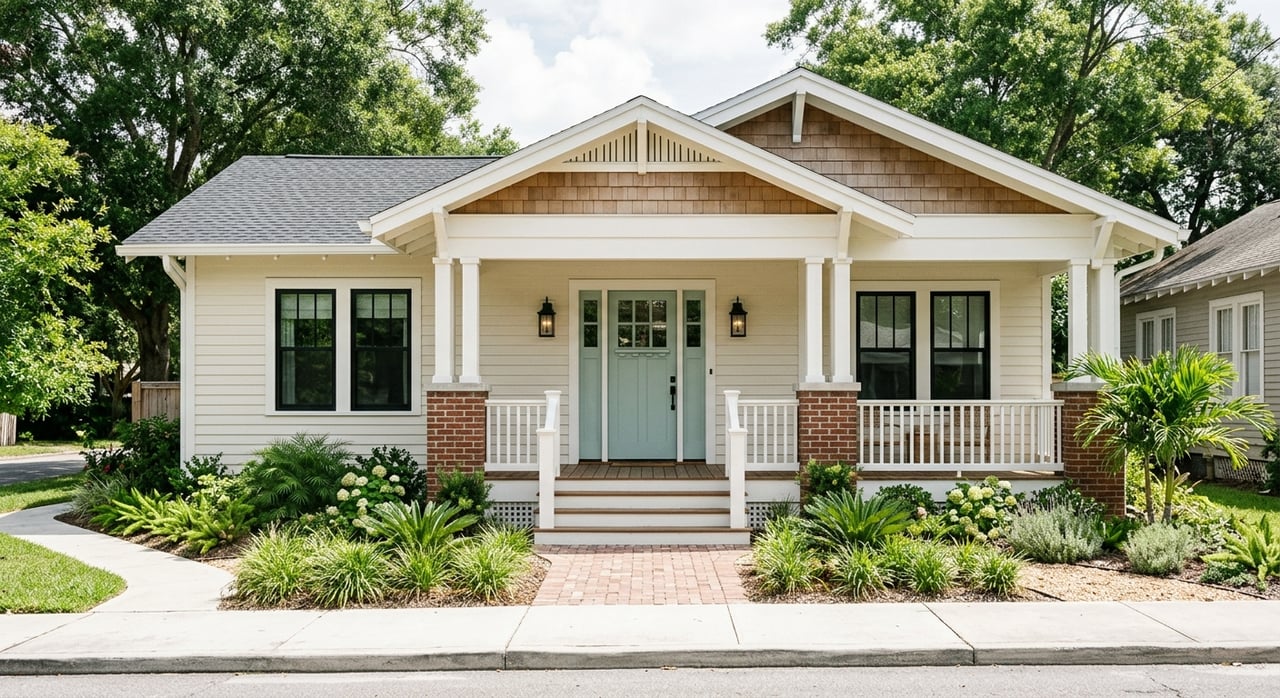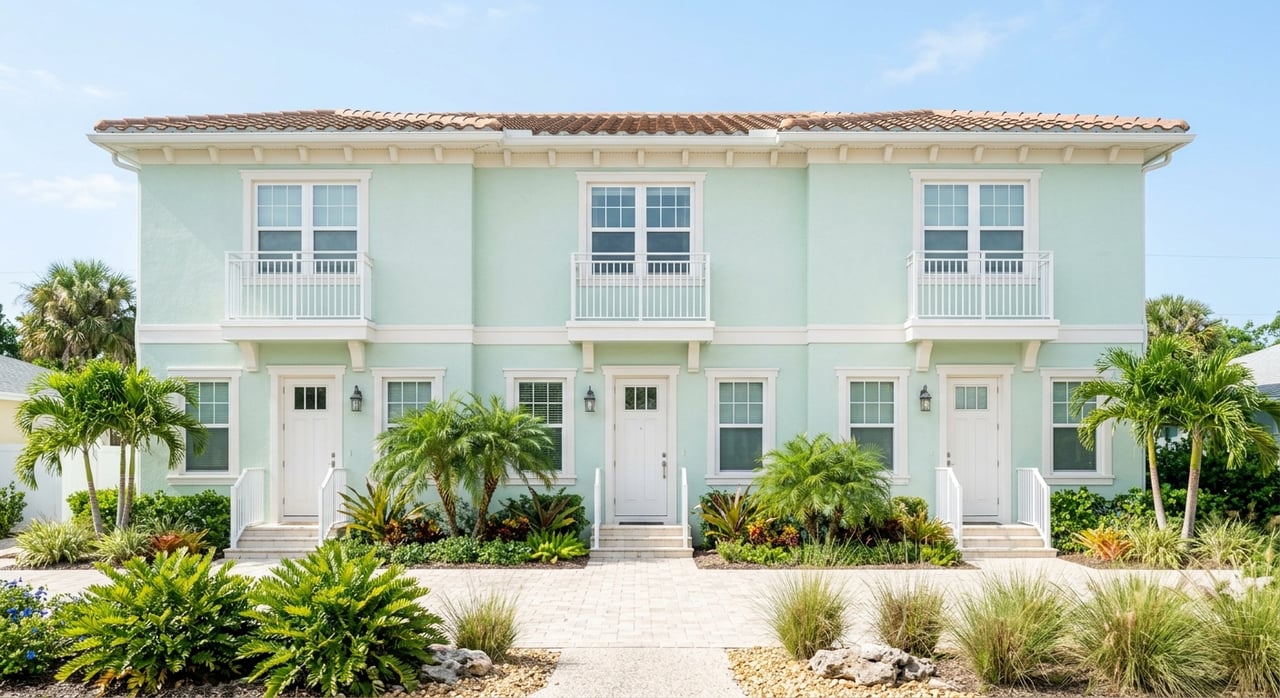
Thinking about buying a duplex, triplex, or fourplex in Gainesville? On paper, small multifamily can look like a smart way to build income, lower your living costs, or add rental units in a market with strong tenant demand. But in Gainesville, the opportunity is tied just as closely to compliance and due diligence as it is to rents and occupancy. Let’s dive in.
Why Gainesville draws multifamily buyers
Gainesville is a renter-heavy market, which makes small multifamily especially appealing if you want income-producing property in a city with steady housing demand. According to the U.S. Census QuickFacts for Gainesville, the city had an estimated population of 148,720 in 2024, an owner-occupied housing rate of 37.7%, and median gross rent of $1,296.
That renter share matters because it points to a large pool of residents who may need housing beyond single-family options. At the same time, Gainesville’s median household income of $46,195 and poverty rate of 30.8% are a reminder that you should underwrite carefully and avoid assuming every property can command premium rents across every submarket.
What counts as small multifamily
For most buyers, small multifamily means a duplex, triplex, or fourplex. That definition lines up with the one-to-four-unit structure used in federal owner-occupant financing programs, including FHA guidance from HUD.
This property type appeals to two common buyer groups. First, there are investors looking for rental income from multiple units on one property. Second, there are owner-occupants who want to live in one unit and rent the others, often called house hackers.
Demand comes from more than students
Many people first think of the University of Florida when they think about Gainesville rentals, and that is a big part of the story. But tenant demand here is supported by several major institutions, not just the student population.
According to the University of Florida fact sheet, UF reported 61,890 students and 33,252 employees in fall 2024. The same source notes that UF Health Shands has more than 10,000 employees and 1,149 licensed patient beds, while the VA North Florida/South Georgia system served 191,814 Veterans in 2024 and describes itself as the largest VA health care system in the country.
That means housing demand can come from students, faculty, medical staff, support workers, patients’ families, and many other residents connected to these institutions. For you as a buyer, that broader demand base can be a strength, especially if you are evaluating a property that may attract more than one renter profile.
Why Gainesville is different
In some markets, buying a small multifamily property is mostly about price, rent, and condition. In Gainesville, you also need to pay close attention to whether the property is legal, permitted, and compliant with local rental rules.
That is especially important if a listing is advertised with bonus bedrooms, garage conversions, detached units, or other added spaces that increase projected income. If that income depends on a unit or feature that was never approved, the numbers may not hold up after closing.
Local rules can affect profits
One of the biggest local issues for buyers is Gainesville’s rental compliance framework. The city adopted a Residential Rental Housing Ordinance in 2020 that created annual permits, inspections, and minimum standards related to life safety, energy efficiency, and property maintenance for regulated rental units.
The city states that this program applies to regulated rental units, including rented quadruplexes or smaller properties within city limits. It also notes that units must meet standards such as working carbon monoxide detectors and fire extinguishers.
For you, that changes how you should evaluate a property. A duplex or triplex is not just an income asset. It is also a compliance asset that needs to be reviewed with local rules in mind.
Due diligence matters more here
Gainesville’s code violation FAQs highlight common concerns that can directly affect ownership and profitability. These include roof issues, plumbing, electrical systems, smoke detectors, over-occupancy, off-street parking, residential leases, and illegal dwelling units.
The city also states that any dwelling unit added without proper permits is illegal regardless of age and can be required to close. That means an unpermitted unit is not just a technical issue. It can directly reduce your future rental income or create unexpected costs.
What to verify before closing
If you are considering a small multifamily purchase in Gainesville, these are the issues worth confirming early:
- Legal unit count
- Permit history
- Prior code violations
- Parking layout and access
- Utility setup
- Whether added bedrooms, detached units, or conversions were approved
This checklist is especially important if the listing price or projected returns are based on more than the clearly documented original structure. In Gainesville, you want proof, not assumptions.
Parking and layout deserve attention
Parking may sound minor, but it can become a real issue during due diligence. Gainesville’s code FAQs note that in the UF context area, residential parking is allowed only on an approved driveway, in a garage, or in a carport.
That matters because some older properties may appear to have flexible parking arrangements that do not meet current requirements. If tenant parking is tight or noncompliant, it can affect both leasing and long-term usability.
Value-add may include unit creation
Gainesville also has a small-scale housing story that goes beyond buying an existing duplex or fourplex. The city’s ADU flyer says accessory dwelling units are broadly allowed in most zoning districts, subject to zoning, building-code, and GRU utility standards.
The city’s housing materials also note that some surplus lots can accommodate a duplex. For buyers, that creates another path to value: not just buying current units, but exploring whether a property has lawful expansion potential.
That said, potential is not the same as approval. If your strategy depends on adding a unit or legalizing an existing one, you should confirm what is actually allowed before you count it in your numbers.
When house hacking makes sense
Small multifamily can be especially attractive if you want to live in one unit and rent out the others. General federal guidance supports this structure in some cases. HUD states that FHA single-family programs are limited to one- to four-family owner-occupied principal residences, and HUD’s handbook is one reason duplexes through fourplexes often enter the conversation for first-time or budget-conscious buyers.
The same research also notes that a VA-backed purchase loan can be used to buy a single-family home of up to four units, though eligibility and occupancy rules should always be confirmed directly with your lender. In practical terms, house hacking may make sense if you want owner-occupant financing and are comfortable managing a property where you also live on site.
A disciplined buying strategy wins
The best way to approach small multifamily investing in Gainesville is with discipline. Strong demand from UF, UF Health Shands, and the VA system can make these properties attractive, but that does not turn every duplex or triplex into an easy cash-flow play.
Instead, the opportunity is often found in buying the right property at the right numbers, then verifying that the units, leases, systems, parking, and permits all support your plan. A careful review upfront can help you avoid surprises after closing.
How local guidance helps
In a market like Gainesville, a knowledgeable real estate advisor can help you look beyond the listing description. That includes identifying whether a property appears truly legal and financeable, spotting possible rental-ordinance issues, and helping coordinate the right inspectors, lenders, and attorneys during due diligence.
If you are weighing a duplex, triplex, or fourplex in Gainesville, the goal is not just to buy a property. It is to buy one that fits your financing, your risk tolerance, and your long-term plan. If you want a clear, consultative approach to your next move, connect with David Stanley.
FAQs
What is considered a small multifamily property in Gainesville?
- In this context, small multifamily means a duplex, triplex, or fourplex, which aligns with the one-to-four-unit structure commonly used in federal owner-occupant financing guidance.
Why is Gainesville attractive for small multifamily investing?
- Gainesville has a renter-heavy housing mix and demand tied to major institutions such as the University of Florida, UF Health Shands, and the VA North Florida/South Georgia system.
What Gainesville rules should buyers review before buying a duplex or triplex?
- Buyers should review the city’s rental permit and inspection requirements, property maintenance standards, code history, legal unit status, and any parking or occupancy issues tied to the property.
What should buyers verify before closing on a Gainesville fourplex?
- Buyers should confirm legal unit count, permit history, prior code violations, parking layout, utility configuration, and whether any added bedrooms or detached units were properly approved.
When does house hacking make sense for a Gainesville multifamily property?
- House hacking may make sense when you plan to occupy one unit as your primary residence and want to explore owner-occupant financing options, subject to lender rules and property eligibility.