Trying to choose between Palatka’s historic districts and a newer neighborhood? That decision often comes down to more than square footage or price. You may be weighing character against convenience, renovation potential against simplicity, or downtown access against a quieter, more car-oriented routine. This guide will help you compare the real differences so you can decide which type of home fits your goals in Palatka.
What defines Palatka’s historic core?
Palatka’s historic-core housing is centered in the North Historic District and South Historic District, both of which were listed in the National Register in 1983. According to the National Park Service records for the North Historic District and the South Historic District, these areas sit just north and south of downtown and contain Palatka’s most concentrated collection of older residential architecture.
These neighborhoods are also part of the city’s active redevelopment area. The city’s redevelopment focus includes downtown Palatka along with both historic districts, which makes the historic core important not just for housing, but for the city’s long-term planning and identity.
What historic homes feel like
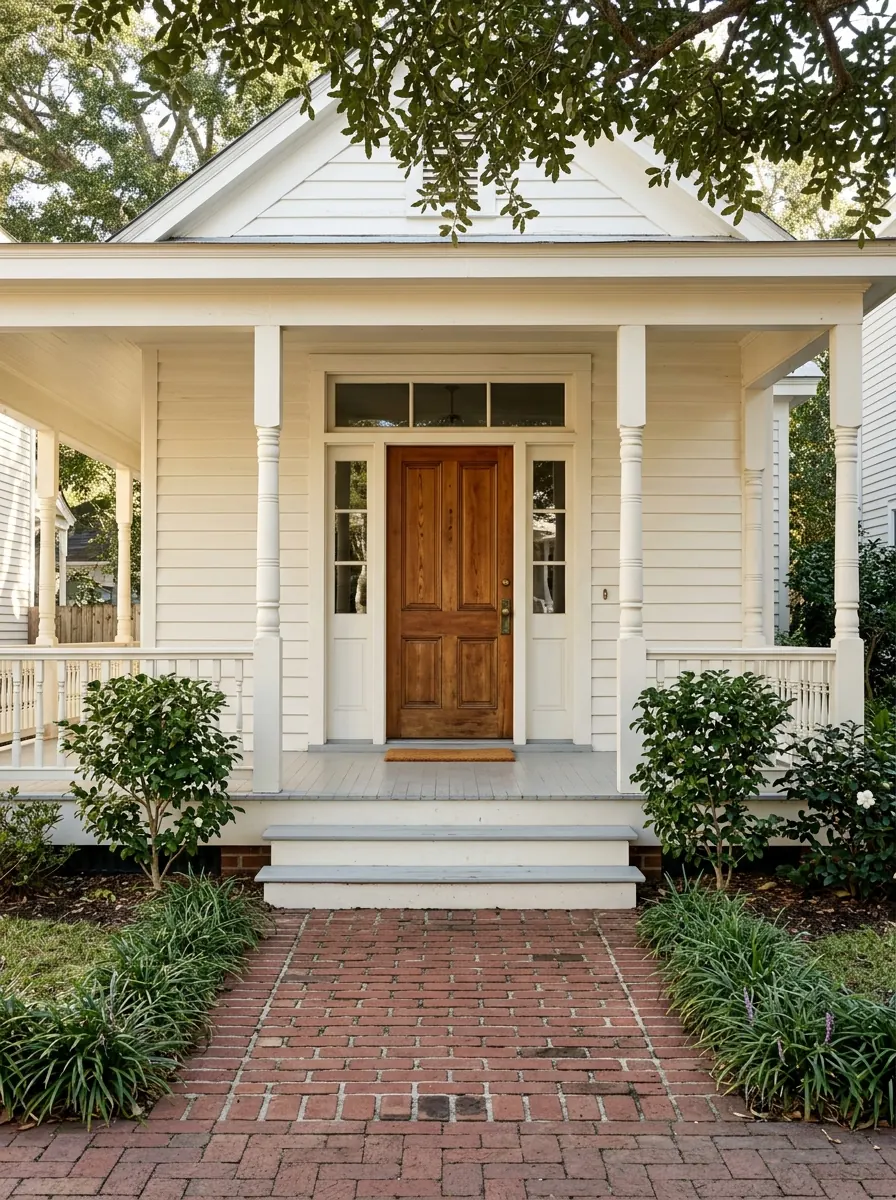
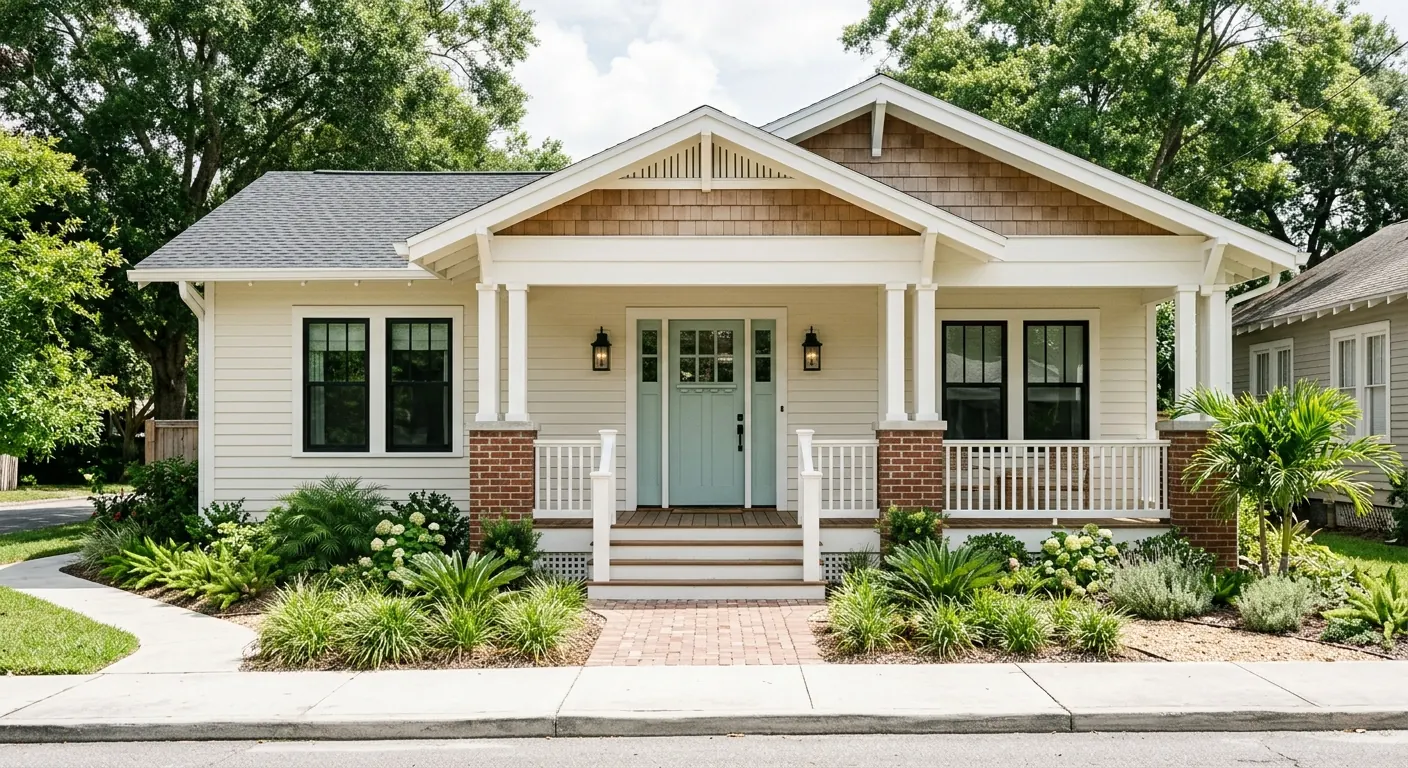
If you are drawn to older homes, Palatka’s historic districts offer a setting that is hard to replicate in newer development. The North Historic District follows the original 1850s grid and is known for shaded brick streets, varied lot patterns, and a mix of architectural styles that include Queen Anne, Colonial Revival, Bungalow, Mediterranean Revival, and frame vernacular homes.
The South Historic District has a similar architectural mix, but on a larger scale. The National Park Service describes it as a well-defined 23-block area with high-density pre-1930 development, waterfront homes along River Street, and the Hammock neighborhood, where some residences feature river views and more ornate design details.
In practical terms, this means historic homes often offer details that buyers notice right away, such as mature landscaping, less uniform streetscapes, and homes with distinct design features rather than repeated floor plans. If you want a place with a strong sense of setting, the historic core may feel more memorable from day one.
What newer neighborhoods usually offer
Newer neighborhoods in Palatka are generally shaped through the city’s standard planning and permitting process, rather than historic-preservation review. The city’s Building & Zoning and Planning process oversees things like site development, subdivision review, rezoning, and land-use rules.
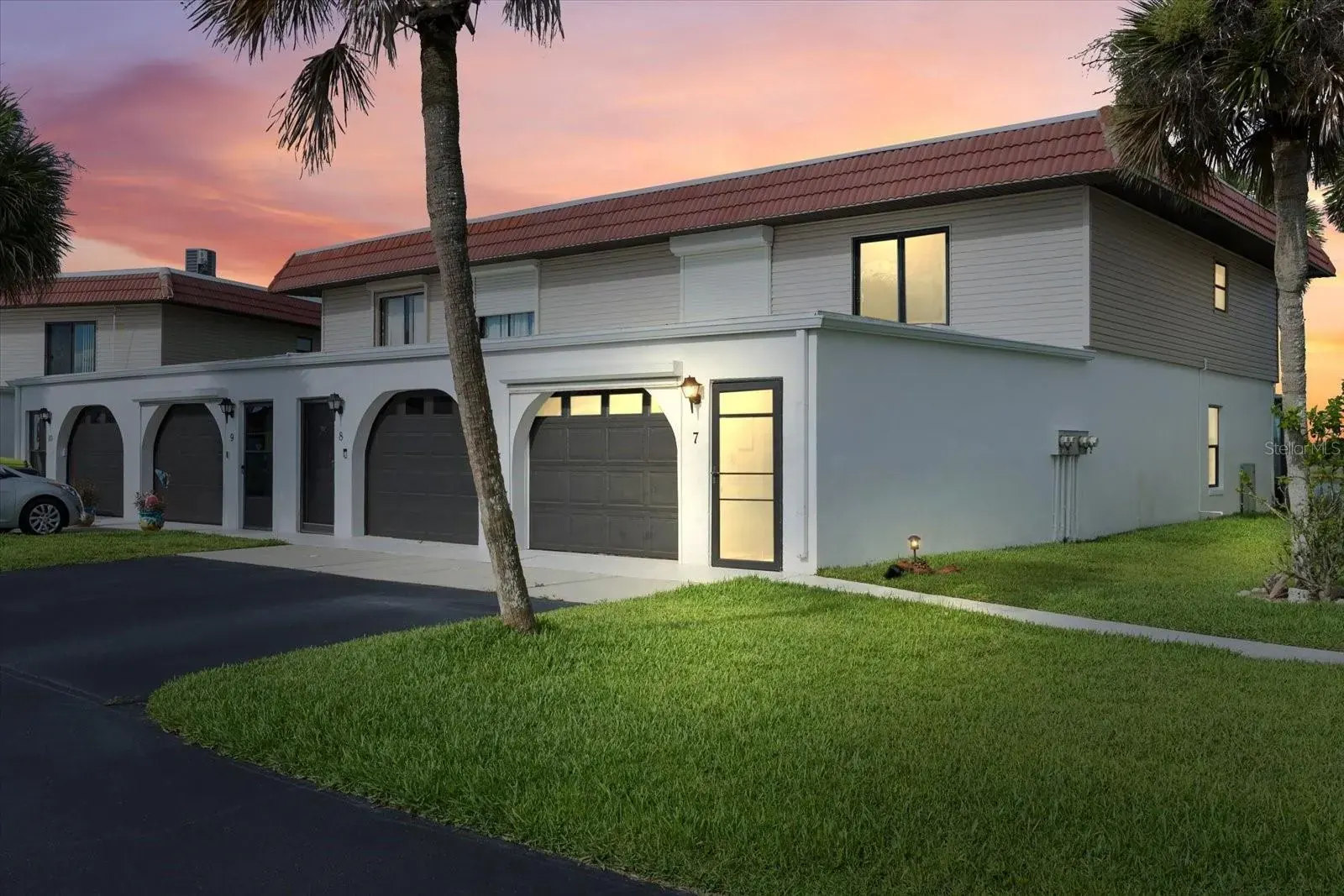
For you as a buyer, that usually means a more conventional path for home design, lot layout, and future updates. Based on the city’s review structure, newer neighborhoods are generally more likely to feature contemporary floor plans, standardized site layouts, and common building materials.
That can translate into easier day-to-day ownership for buyers who want fewer surprises. If your priority is a home that feels straightforward to maintain and simpler to personalize over time, a newer neighborhood may be the better fit.
Historic district rules to know
The biggest practical difference between a historic-district home and a newer home in Palatka is exterior review. The city’s Certificate of Appropriateness process requires approved review for exterior work within the historic district, including repairs, alterations, window replacement, additions, new construction, demolition, relocation, sidewalks, and driveways.
That does not mean every project is difficult, but it does mean you should expect more process. The city notes that interior work that does not affect the exterior does not require a COA, and some like-for-like maintenance may be approved administratively.
It is also important to understand what the National Register does and does not do. As the National Park Service explains, National Register listing itself does not place restrictions on what a non-federal owner may do. In Palatka, the added requirements come from local rules, not the federal listing alone.
Maintenance and renovation trade-offs
Historic homes and newer homes often come with different ownership patterns. In older homes, buyers should look carefully at roof condition, windows, siding, plumbing, electrical systems, foundations, and driveway history, since those are all categories tied to the city’s permit structure and can be part of the ownership experience in older properties.
That does not mean every historic home needs major work. It does mean you should go in with a realistic plan for inspection, repair budgets, and project timing, especially if exterior improvements may need COA review.
Newer homes often reduce the chance of near-term exterior restoration work. If you want a property that may involve a more straightforward remodeling path, newer construction or newer neighborhoods typically offer fewer preservation-related hurdles.
Lifestyle differences in Palatka
Your daily routine may matter just as much as the house itself. Living in Palatka’s historic core places you closer to some of the city’s most civic and scenic destinations, including Riverfront Park and other local recreation amenities. The city notes that Riverfront Park offers free 24-hour boat-ramp access, parking for 70 vehicles and 40 trailers, and trailhead access to the Bartram Trail.
The same area also connects you more closely to downtown attractions and heritage sites, including the St. Johns River Center, the Bronson-Mulholland House, and county historical museums. For buyers who want river access, heritage attractions, and a more walkable small-town setting, the historic core can feel like a place-first choice.
Newer neighborhoods typically support a different routine. They are often a better match if you prefer a more private, car-oriented lifestyle, less preservation oversight, and a home that feels easier to update as your needs change.
How lot patterns affect daily life
One of the easiest differences to overlook is the way the neighborhood is laid out. In Palatka’s historic districts, the older street grid, mature trees, and varied lot patterns can create a more established look and feel.
In newer areas, subdivision planning tends to create more standardized layouts. Neither option is automatically better, but each creates a different living experience. If you value variety and a sense of history, you may lean toward the older grid. If you prefer predictability and a more conventional neighborhood layout, a newer area may feel more comfortable.
Questions to ask before you buy
Before you choose between the historic district and a newer neighborhood, it helps to narrow your decision with a few practical questions:
- Is the property inside the North Historic District, South Historic District, or outside both? You can verify this by address on the city’s Historic Districts Boundary Map or with Putnam County GIS.
- If the home is in a historic district, is it considered contributing or non-contributing, and is there approval history for past exterior changes?
- How much time and budget do you want to reserve for repairs, updates, or exterior review?
- Do you want a home near downtown, river amenities, and heritage attractions, or do you prefer a more private routine outside the historic core?
- Are you comfortable taking a closer look at older systems such as roofing, plumbing, electrical, siding, and foundations?
These questions can help you move beyond style alone and focus on how the home will function for you over time.
Which option fits you best?
If you are choosing with your heart, Palatka’s historic districts may win on architecture, setting, and access to downtown and the river. They offer character, variety, and a stronger connection to the city’s past, but they also come with more oversight for exterior changes and the potential for more hands-on maintenance.
If you are choosing with convenience in mind, newer neighborhoods may be the easier path. They usually offer less preservation friction, more standard layouts, and a more straightforward update process.
In many cases, the right answer comes down to how you want to live. If you want a place-first experience with architecture and civic character, the historic core may be worth the extra planning. If you want flexibility and simplicity, a newer neighborhood may suit you better.
If you want help comparing homes, understanding neighborhood differences, or weighing the long-term pros and cons of a specific property, connect with David Stanley for practical guidance tailored to your goals.
FAQs
Is Palatka’s Historic District the same as being on the National Register?
- No. The North and South Historic Districts are listed on the National Register, but the local review requirements for exterior work come from Palatka’s COA process.
What exterior work in Palatka historic districts needs approval?
- Palatka requires a Certificate of Appropriateness for exterior repairs, alterations, window replacement, additions, new construction, demolition, relocation, sidewalks, and driveways within the historic district.
How can you check if a Palatka home is in a historic district?
- Buyers can check by address on the city’s Historic Districts Boundary Map, linked from the Historic Preservation Board page, or with Putnam County GIS.
Are newer neighborhoods in Palatka easier to update?
- In general, yes. Newer neighborhoods are typically reviewed through the city’s standard planning and permitting process rather than historic-preservation review, which usually makes updates more straightforward.
What should buyers inspect closely in older Palatka homes?
- Buyers should pay close attention to the roof, windows, siding, plumbing, electrical systems, foundation, and driveway history when evaluating older homes.
Which Palatka area is better for downtown and river access?
- The historic core is generally closer to downtown Palatka, Riverfront Park, heritage attractions, and St. Johns River amenities.
New articles by email
Get my new articles every Saturday
One short email a week with what I posted: Palm Coast news, local events, community guides and the market. No new articles, no email.

About the Author
David Stanley is a Broker Associate with CENTURY 21 Fine Homes & Estates Realty Exchange and has lived in North Florida for 23 years. A former Flagler Beach Ocean Rescue lifeguard and firefighter, he has closed over $60 million in Palm Coast-area sales.
More about David · Pick a time to talk