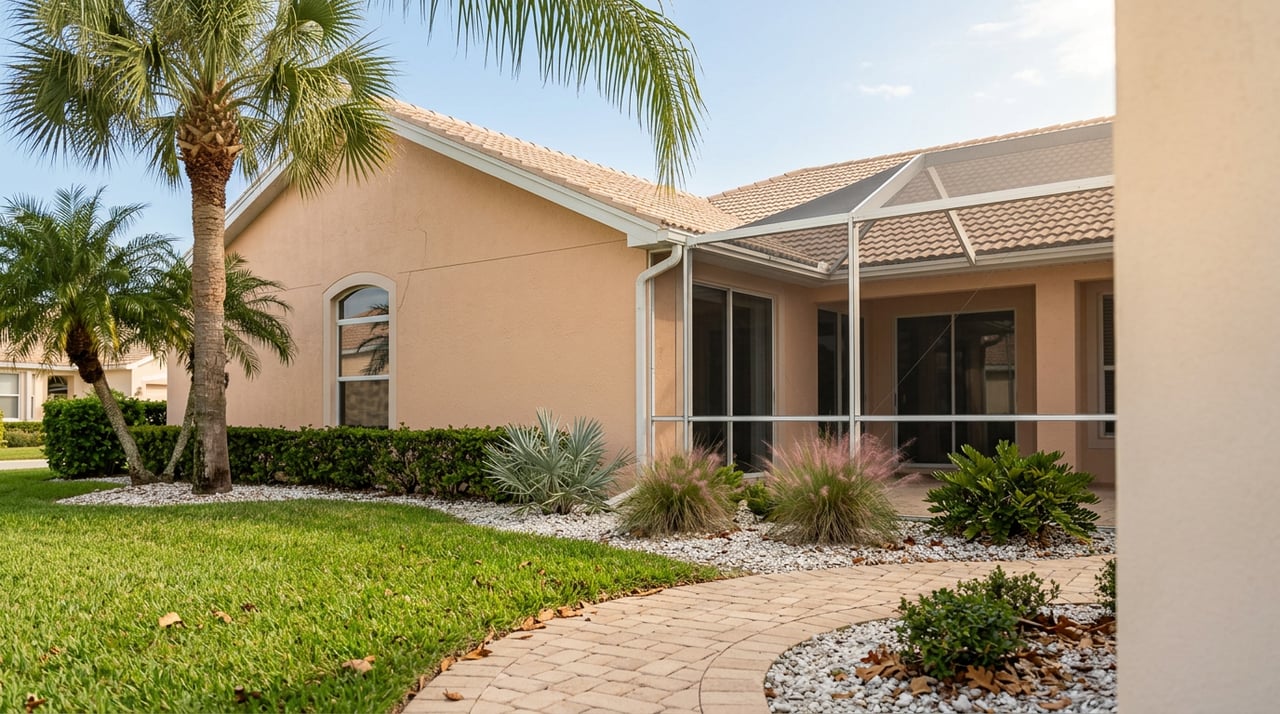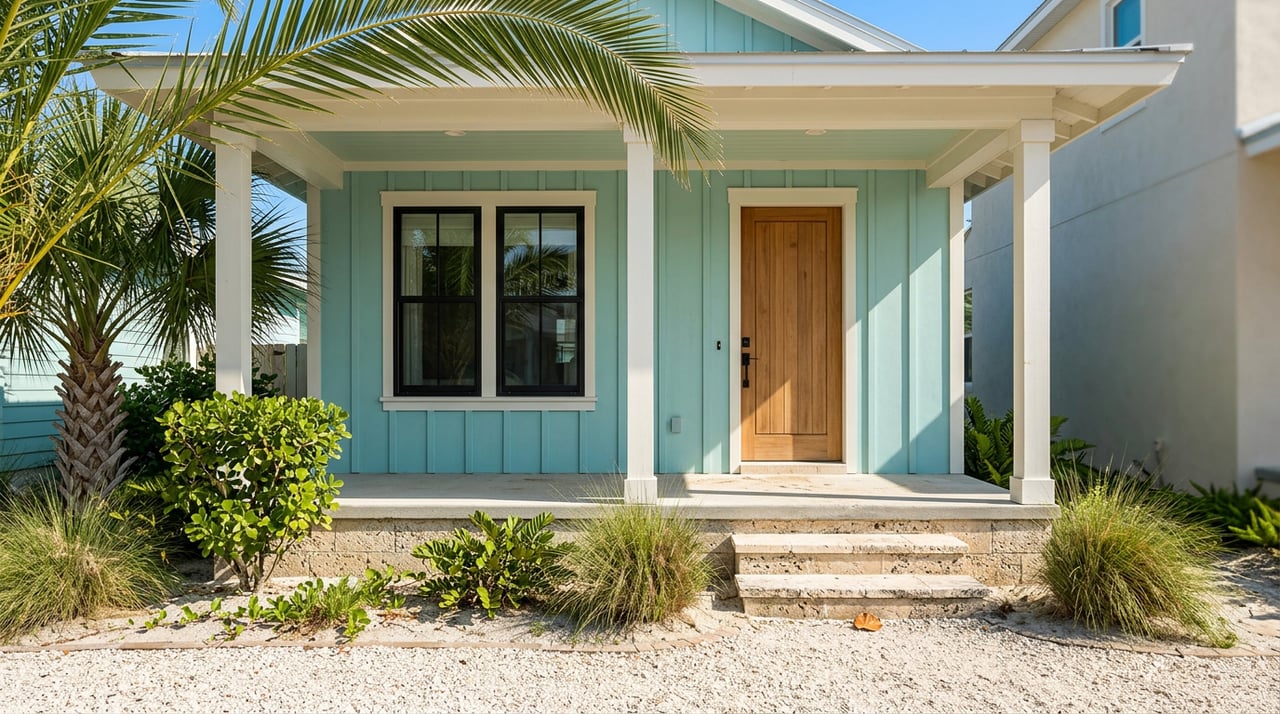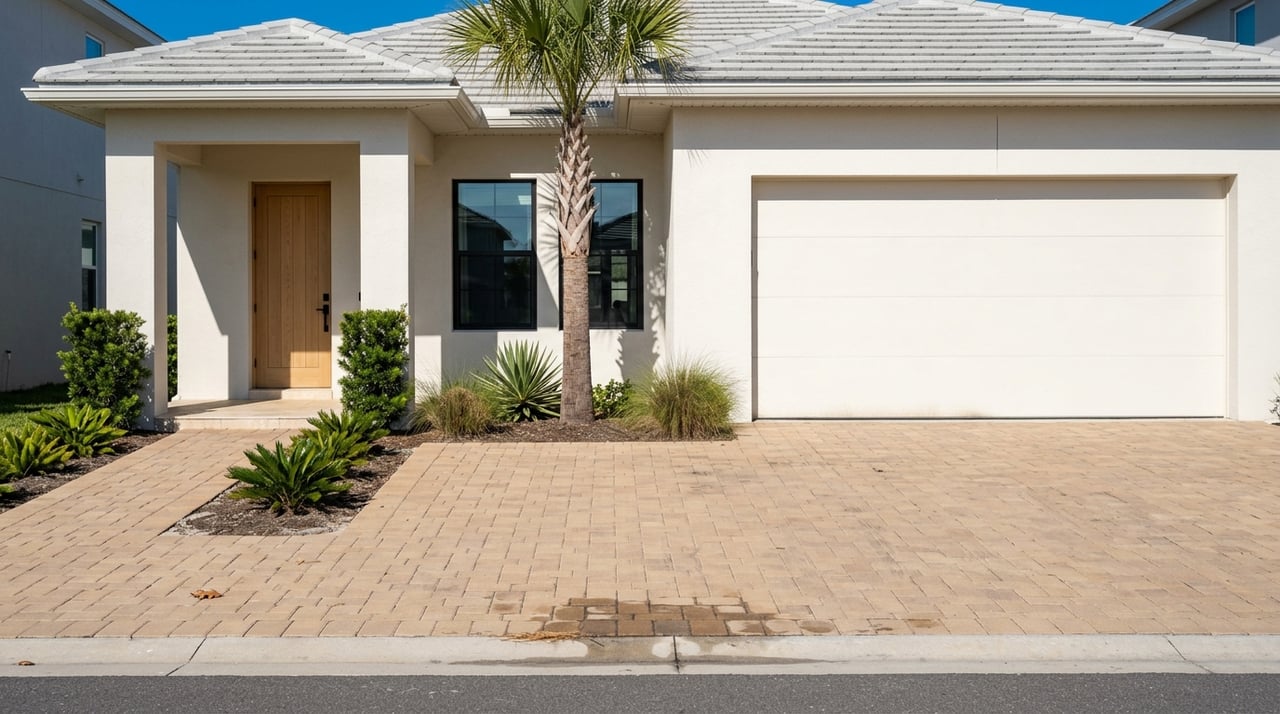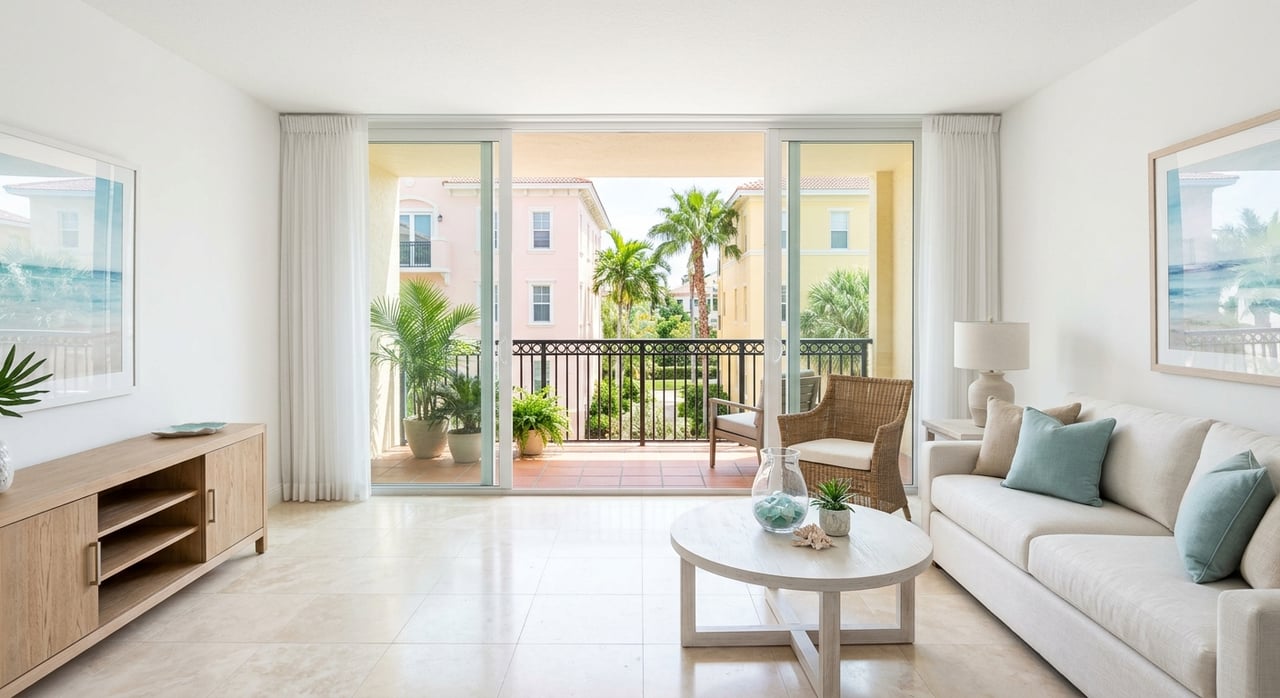
If you are dreaming about a place near the sand in St. Augustine Beach, you are not alone. A second home here can give you personal getaway time, future flexibility, and possible rental opportunities, but coastal ownership comes with extra rules and costs that can surprise buyers. Before you buy, it helps to understand how you plan to use the home, what local rental rules apply, and how insurance and storm planning affect your budget. Let’s dive in.
Start With Your End Goal
One of the biggest mistakes second-home buyers make is shopping first and planning later. In St. Augustine Beach, your intended use affects financing, taxes, rental options, and even the kind of property that makes sense.
If you want a home mostly for your own use, your search may look very different than if you want to rent it often. That is important because lender rules and local rules do not always treat those two goals the same way.
Personal Use vs Rental Use
According to Fannie Mae occupancy guidelines, a second home is generally a one-unit property that you occupy for part of the year, keep under your exclusive control, and use as a year-round-suitable dwelling. If the property is mainly a rental, or if a management arrangement effectively controls occupancy, it may be treated differently for financing.
That distinction matters early in your search. If you plan to use the home only occasionally and lease it most of the time, your lender may review it more like an investment property than a second home.
Can You Rent It Sometimes?
Sometimes, yes. Fannie Mae notes that rental income can exist and still be consistent with second-home treatment, but that income cannot be used to qualify you for the second-home loan under its rules.
In practical terms, that means you should confirm two things before making an offer:
- Whether the property still qualifies as a second home with your lender
- Whether local zoning and licensing rules allow the type of rental use you want
Learn St. Augustine Beach Rental Rules
If rental income is part of your plan, even occasionally, you need to understand whether the home is inside St. Augustine Beach city limits or in unincorporated St. Johns County. The rules are not the same.
This is one of the most important details to verify before you count on future rental income. A great property in the wrong location for your goals can become an expensive lesson.
Rules Inside City Limits
The City of St. Augustine Beach transient rental program says transient rentals are allowed only in Commercial or Medium-Density Residential land uses. The city also places a limit of 100 transient rentals in Medium-Density Residential land uses, while Commercial areas have no stated cap.
The city requires several items for transient rental operation, including:
- A current Florida rental license
- A Florida sales tax permit
- A city business tax receipt
- A property inspection
- Annual renewals for licenses, inspections, and taxes
The city also states that transient rentals are treated as businesses rather than residences. Because of that, homestead exemption does not apply, and commercial garbage service is required.
Local Contact Requirement
If you will not live nearby full time, this next rule is especially important. The city’s application packet requires a local representative with a local street address and a 24-hour phone number.
For many second-home owners, this makes on-the-ground support part of the ownership plan from day one. Even if you do not intend to rent right away, it is smart to think ahead about local oversight, routine checks, and storm response.
Condo Buyers Need Extra Review
If you are buying a condo, there is another layer to review. The city says condominium units are handled differently under Section 3.09, but the unit still needs the correct business tax receipt, often managed through the condo association.
That makes condo documents and association policies a key part of your due diligence. Before you buy, you will want clear answers about leasing rules, association procedures, and how rental compliance is handled.
Renewal Deadlines Matter
If you plan to operate a transient rental in the city, timing matters too. The city’s renewal instructions state that business tax receipts for transient rental facilities expire on September 30, with renewal due by October 1 to avoid penalties.
That may sound like a small detail, but it is part of the real workload of owning a rental-capable second home. A beach property can be rewarding, but it works best when you treat compliance as part of the budget and calendar.
Check County Rules Outside City Limits
Some buyers target properties just outside St. Augustine Beach city limits, assuming the rules may be simpler. That is not always the case.
St. Johns County short-term vacation rental rules have their own requirements for properties in unincorporated areas. The county requires registration, a sample rental or lease agreement with maximum occupancy and vehicle limits, a 24-hour contact, a local business tax receipt, a DBPR rental license, a Florida sales tax certificate, and annual renewal for each unit or portion of a unit.
The takeaway is simple: do not assume a county location means fewer steps. You need to verify the exact jurisdiction before you rely on a rental plan.
Understand Financing Before You Offer
Second-home financing is not the same as financing a primary residence. If you are buying in a beach market, this point deserves extra attention because buyers often expect occasional rental use to be straightforward.
Per Fannie Mae’s second-home standards, you generally must occupy the property for some portion of the year, maintain exclusive control, and avoid management arrangements that effectively control occupancy. The same source also notes that second-home loans can come with additional pricing adjustments.
Why This Matters to Your Search
Your financing structure should match your actual use. If you tell yourself it is a second home but plan to lease it most of the year, the lender may not view it that way.
That can affect loan terms, qualification strategy, and the type of home you should pursue. It is far better to sort this out before showings than after you are under contract.
Budget Beyond the Mortgage Payment
A coastal second home often costs more to carry than buyers expect. The list usually includes not just your mortgage, but also insurance, maintenance, inspections, taxes, and weather preparation.
If you only budget for principal, interest, taxes, and standard homeowners insurance, you may underestimate your true monthly and annual costs. In a beach market, that gap can be meaningful.
Homestead Exemption Usually Does Not Apply
According to the St. Johns County Property Appraiser, homestead exemption is tied to a primary permanent residence as of January 1. A true second home generally will not qualify.
The county also notes that if a homeowner rents out the entire home, homestead treatment can be lost if the property is rented for more than 30 days in two consecutive tax years, as explained in its homestead portability guidance. For city transient rentals, St. Augustine Beach states that the property is treated as a business, not a residence, so homestead exemption does not apply.
Flood Insurance Deserves Early Attention
Flood risk is one of the biggest financial variables for coastal buyers. Standard homeowners insurance usually does not cover flood damage, and FEMA’s National Flood Insurance Program guidance states that flood insurance is required for homes or businesses in a Special Flood Hazard Area when the mortgage is government-backed.
That same source notes that flood policies can have a 30-day waiting period before taking effect. Even if a property is not in the highest-risk zone, flood insurance is still worth discussing early because homeowners policies typically exclude flood losses.
Plan for Storms and Remote Ownership
Owning near the coast means planning for weather before you need to. In St. Johns County, flood threats can come from heavy rainfall, seasonal high tides, tidal surge, tropical storms, and hurricanes, according to the county’s flood facts and mapping resources.
Those county tools can help you review an address for evacuation routes, storm-surge zones, coastal construction control lines, wind-borne debris areas, and other flood-related layers. For second-home buyers, that information can shape both purchase decisions and long-term budgeting.
Build a Practical Maintenance Plan
A second home is easier to own when you have a simple system in place. That usually includes regular interior and exterior checks, a trusted local contact, and a clear process for storms, power outages, and urgent repairs.
The city’s transient-rental materials reinforce this point by requiring a local contact and annual inspections. Even if you are buying primarily for personal use, remote oversight is a smart part of owning in a coastal market.
Know Hurricane Season Timing
The Atlantic hurricane season runs from June 1 through November 30, with the peak generally from mid-August through mid-October, according to NOAA hurricane guidance. NOAA also advises homeowners to check the roof, shutters, and overhanging branches before the season begins.
If you will not be in town full time, preseason preparation matters even more. It is much easier to have a plan in place before a storm watch is issued.
A Smart Buying Checklist
Before you move forward on a second home in St. Augustine Beach, make sure you can clearly answer these questions:
- Will this property be mainly for personal use, occasional rental use, or rental-first use?
- Is the home inside city limits or in unincorporated St. Johns County?
- Does the zoning or association policy support your intended use?
- Will your lender treat the property as a second home or an investment property?
- Have you budgeted for flood insurance, maintenance, inspections, and storm prep?
- Do you have a local contact or support plan if you live out of the area?
- Have you reviewed annual renewal and licensing requirements if rentals are part of your plan?
A second home near the beach can be a great fit when the numbers, rules, and lifestyle goals line up. If you want help sorting through location, ownership costs, and what to look for before you buy, David Stanley can help you take a practical, local-first approach.
FAQs
What should you consider before buying a second home in St. Augustine Beach?
- You should define whether the home is for personal use, occasional rental use, or rental-first use, then confirm financing rules, local rental regulations, flood risk, insurance costs, and ongoing maintenance needs.
Can a St. Augustine Beach second home also be used as a rental?
- Sometimes, yes, but it must still meet your lender’s second-home rules and the applicable city or county zoning and licensing requirements.
Do St. Augustine Beach transient rentals require a local contact?
- Yes, the city’s application materials require a local representative with a local street address and a 24-hour phone number for transient rentals.
Does a second home in St. Johns County qualify for homestead exemption?
- Generally no, because homestead exemption applies to a primary permanent residence, and the City of St. Augustine Beach also states that transient rentals are treated as businesses rather than residences.
Should flood insurance be part of your St. Augustine Beach second-home budget?
- Yes, because standard homeowners insurance usually does not cover flood damage, and some properties may require flood insurance depending on flood zone and loan type.
What hurricane planning should second-home buyers in St. Augustine Beach expect?
- You should plan for hurricane season from June 1 through November 30, with attention to roof, shutters, branches, local oversight, and a response plan for storms and outages.