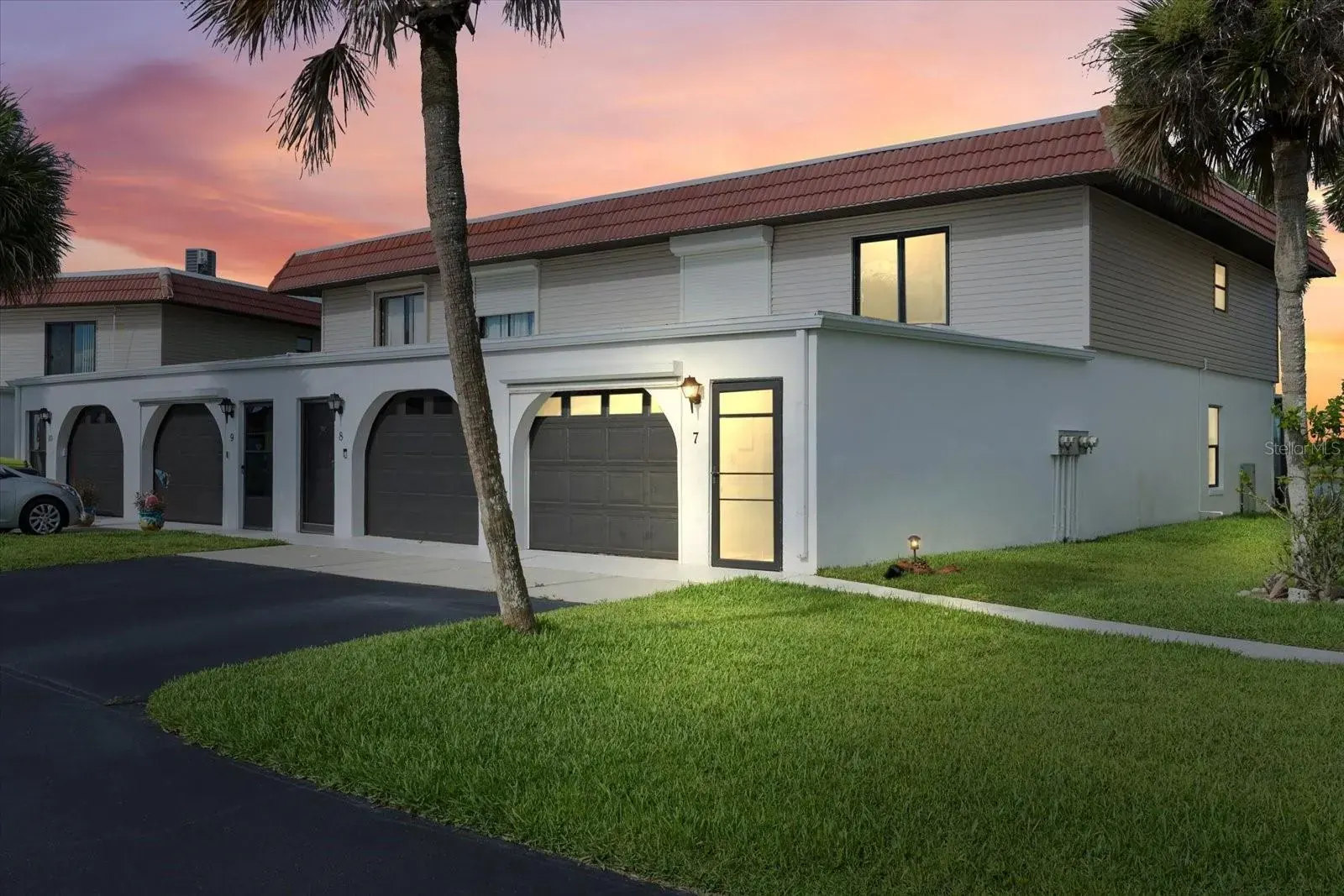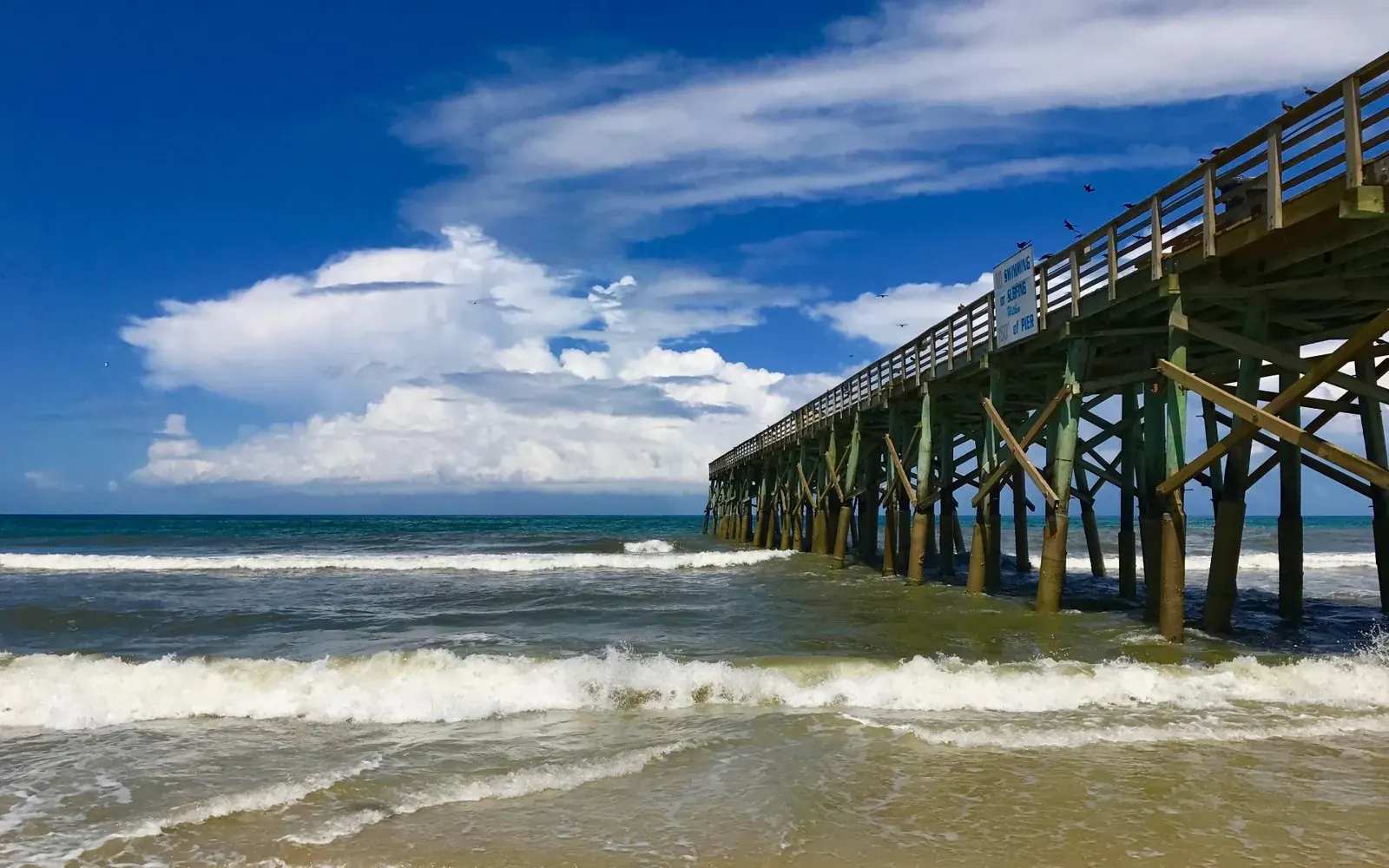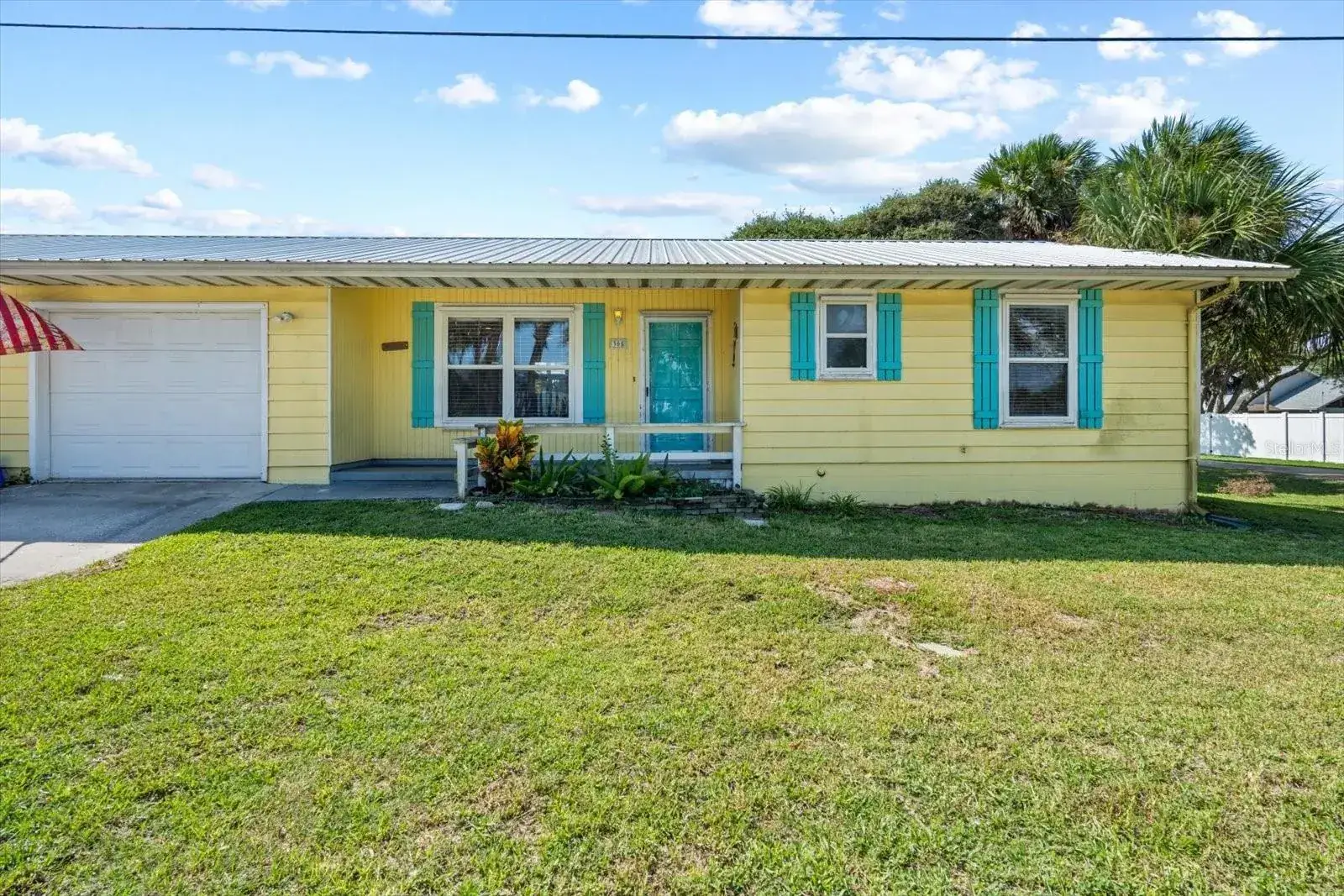
Picture your perfect day in Flagler Beach: sunrise over the Atlantic, coffee on the porch, and an easy walk to the sand. Now the big question: should you buy a condo, an attached townhome, or a standalone cottage? Each option offers a different balance of maintenance, privacy, and cost. In this guide, you’ll compare how they stack up locally, see the real cost drivers to budget for, and grab checklists you can use before you write an offer.
Flagler Beach reality check: costs and rules
Flagler County’s average effective tax rate is about 0.76 percent, but that number reflects long-time owners whose assessments are capped. When you buy, the home is reassessed near its market value, and a Flagler Beach parcel paid about 19.5 mills in 2025, or roughly $1,950 a year per $100,000 of taxable value (see the Tax Collector’s millage rates). A homestead exemption lowers that if the home will be your primary residence, so confirm the millage for the specific property. You can review county and state comparisons in the Tax Foundation’s overview of property tax rates. See the Tax Foundation’s county data.
Much of Flagler Beach sits in FEMA Special Flood Hazard Areas. Before you fall in love with a property, check its exact flood zone and ask for the seller’s Elevation Certificate if one exists. Start with the county’s flood zone page, which links to FEMA’s official flood maps and the Property Appraiser’s FEMA map layer for each parcel. View Flagler County’s flood zone tools.
Insurance is a key coastal cost driver. Citizens Property Insurance already requires flood coverage on homes in FEMA Special Flood Hazard Areas and on homes with a replacement cost of $400,000 or more, and starting with policies effective January 1, 2027, every Citizens personal residential policy that includes wind coverage must carry flood insurance. Condo unit-owner (HO-6) policies are exempt. That can affect which policies you must hold and your total monthly budget. Read Florida Statute 627.351 and get quotes from an independent insurance agent early.
If you plan to rent short term, Flagler Beach enforces permits and minimum stays. The city’s current rules include a 7‑day minimum stay for resort dwelling/resort condominium rentals, a permit and annual renewal, and a 24/7 local contact requirement. Always verify your property’s zoning and whether a unit is grandfathered before you count on rental income. Review the city’s short‑term rental permit application.
Condos: low maintenance, association living
What the association handles
In most Flagler Beach condos, the association maintains the exterior building, roof, common areas, landscaping, and often carries the master insurance policy. You’ll likely carry an HO‑6 policy for interior finishes, improvements, and personal property, and you should verify whether the master policy is walls‑in or studs‑out and the size of the deductible. Florida’s condo statute also spells out required records, budgets, and insurance. See Chapter 718.111 for condo obligations.
Privacy and outdoor space
You’ll have less privacy than a detached home, and outdoor areas are shared. Many buildings offer community pools and easy beach access, but private yard space is limited.
Costs to budget
- HOA dues that cover building insurance, reserves, common maintenance, and sometimes utilities. In Flagler Beach, dues vary widely by building, amenities and insurance, so compare the exact monthly figure for each unit you’re considering.
- HO‑6 condo insurance for your interior and contents.
- Potential special assessments for capital repairs. Many boards in Florida have adjusted budgets and reserves since 2022.
- Any rental restrictions or minimum lease terms set by the association.
Financing and resale notes
Condo loans can face extra project reviews from lenders. Eligibility often depends on the building’s budget, reserves, owner‑occupancy levels, and whether the project has hotel‑style features. That can affect your financing options and the future buyer pool. See Fannie Mae’s rules on ineligible condo projects.
Who a condo fits
- You want a lock‑and‑leave home with minimal upkeep.
- You value amenities and beach proximity over private yard space.
- You’re comfortable with HOA rules and monthly dues.
Townhomes: a middle ground with some yard
What maintenance looks like
Townhome setups vary. Some associations handle roofs, exterior paint, and landscaping. Others are fee‑simple, where you own and maintain the exterior. Always read the declaration to confirm who handles what. HOA dues for townhomes can range from under $100 per month to several hundred depending on amenities and coverage.
Privacy and outdoor space
You’ll usually enjoy more privacy than a condo and may have a small yard or patio. It’s a solid balance if you want less upkeep than a standalone home but still value outdoor living.
Costs to budget
- HOA dues if the community has an association, plus any master‑association fees.
- Homeowner’s insurance, including separate wind coverage if required by your carrier.
- Routine yard and exterior upkeep if not covered by the HOA.
- Flood insurance if the home sits in a designated flood zone, following the same rules that apply along the coast. Review Florida Statute 627.351.
Financing and resale notes
Financing can be simpler than on condos, especially for fee‑simple townhomes, but lenders will still review HOA health, budgets, and any master associations. If the townhome uses a condominium form of ownership, condo project rules can still apply. See Fannie Mae’s guidance on ineligible or restricted projects.
Who a townhome fits
- You want some private outdoor space with fewer chores.
- You prefer lower maintenance than a cottage but more independence than a condo.
Cottages: privacy and space, with more upkeep
What you maintain
Standalone beach cottages offer the most control and privacy, but you’re responsible for everything: roof, siding, windows, decks, HVAC, yard, and utilities. A common homeowner rule of thumb is to budget about 1 to 4 percent of the home’s value per year for maintenance and repairs. On the coast, salt air and wind exposure often push costs toward the higher end of that range.
Salt‑air corrosion is real. HVAC coils, metal fixtures, and exterior fasteners need closer attention near the ocean. Work with coastal‑savvy contractors and plan for preventive care. See this guide to protecting AC systems near the coast.
Privacy and outdoor space
You’ll get the most privacy, yard space, and parking flexibility. If indoor‑outdoor living is a top priority, a cottage usually wins.
Costs to budget
- Homeowner’s insurance, including wind coverage.
- Flood insurance if the property is in an AE or VE zone.
- Property taxes based on assessed value and local millage.
- No HOA in many cases, though some cottage neighborhoods do have associations.
- Larger capital items over time, such as roof replacement or impact‑rated windows.
Financing and resale notes
Financing is often more straightforward than for condos because there’s no project review, but flood zone requirements can still drive lender conditions and insurance costs. Plan for early conversations with your lender and insurance agent.
Who a cottage fits
- You want privacy, a yard, and maximum control over your property.
- You’re prepared for higher and more variable maintenance and insurance costs.
Local risk and rule checks to run early
- Flood zone and elevation. Confirm FEMA zone and request any existing Elevation Certificate. Start with the county’s flood zone tools.
- Insurance exposure and flood mandate. Ask whether the home is insured with Citizens or a private carrier, and whether the Citizens flood requirement applies to the dwelling’s replacement cost. Read Statute 627.351 and get quotes for both home and flood policies before you offer.
- Condo/townhome documents and inspections. Request the latest budget, reserves, insurance declarations, recent meeting minutes, and any Milestone/SIRS reports for buildings 3 or more stories. See Chapter 718.111 records and insurance rules.
- HOA rules and rental policy. Verify rental minimums and whether the property is permitted for short‑term use. For STRs, confirm the city permit and any grandfathered status with proof of operation. Review the city’s STR permit requirements.
- Coastal permitting and dune/turtle season. Check city guidance before you plan hardscape or dune‑area work. The STR permit packet includes references to dune and nesting‑season rules.
Pre‑offer checklist: what to request
- For any property:
- Seller disclosure, current property tax bill, FEMA flood zone, and any Elevation Certificate.
- Copy of current homeowner’s insurance declarations and the last 12 months of utility bills.
- Flood risk map for the parcel. Use the county’s flood zone tools.
- For condos/townhomes:
- Association contact, most recent budget and reserve study, last 6 to 12 months of meeting minutes.
- Master insurance declarations, certificate of insurance, and any Milestone/SIRS reports.
- List of active or planned special assessments and any pending litigation. See Chapter 718.111 for required records.
- If planning short‑term rentals:
- Proof of Flagler Beach resort dwelling or resort condominium permit, any grandfathered status, and local business tax receipt if required. Review the city’s permit application.
Inspection checklist: coastal must‑checks
- Roof and structural condition, including decks and balconies.
- HVAC age and signs of salt‑air corrosion, plus service history.
- Window and door protection: impact glass or shutters, and installation quality.
- Electrical panel age and capacity, plumbing condition, and drainage away from the foundation.
- For condos: note common‑area maintenance standards and any roof or building‑envelope items flagged in the report.
Build a quick budget: side‑by‑side lines
Use these line items to compare a condo, townhome, and cottage:
- Mortgage and interest.
- Property taxes. In Flagler Beach, start with about 19.5 mills (roughly 1.95 percent of taxable value), subtract any homestead exemption you’ll qualify for, then confirm the exact millage with the county.
- Homeowner’s or condo insurance. Get quotes before you offer, including wind coverage.
- Flood insurance if required by the lender or by statute for Citizens policies.
- HOA dues for condos and many townhomes. Confirm what’s included, reserves, and deductibles.
- Routine upkeep reserve. Budget 1 to 4 percent of home value per year, leaning higher along the coast.
- Utilities. Ask for recent electric, water, and trash bills to estimate monthly averages.
Which one fits your life? Scenarios to consider
- Weekend escape or seasonal lock‑and‑leave. A low‑maintenance condo or a townhome in a managed community keeps chores to a minimum. Confirm the HOA’s rental policy and the building’s reserve level if you plan to rent part‑time.
- Active beach lifestyle with outdoor space. A standalone cottage offers privacy, a yard, and room for boards and bikes. Prioritize elevation, dune setback rules, and solid insurance quotes.
- Investor or occasional renter. Look for a condo or townhome where Flagler Beach permits short‑term rentals or where the unit is grandfathered. Verify permit status and minimum stays before you model income.
- Downsizer who wants simple living and some yard. A small attached townhome can be a great fit. Clarify exactly which exterior items the HOA covers versus the owner.
Ready to compare real homes?
Your best choice comes down to tradeoffs you’re comfortable with: HOA structure and dues versus yard and privacy, and predictable costs versus hands‑on upkeep. If you want a clear view of total monthly cost and the steps to protect your purchase, let a local expert pull the right documents, flood info, and insurance guidance before you write an offer.
When you’re ready, connect with David Stanley for a no‑pressure consult and custom list of Flagler Beach condos, townhomes, and cottages that fit your budget and lifestyle.
FAQs
What are the biggest cost differences between a condo, townhome, and cottage in Flagler Beach?
- Condos add HOA dues and HO‑6 insurance but reduce exterior upkeep; townhomes vary by HOA coverage; cottages have no shared dues in many cases but higher, more variable maintenance and full homeowner’s insurance.
Does Flagler Beach allow short‑term rentals, and what should I check?
- The city requires permits, a 7‑day minimum stay, and a 24/7 local contact for permitted STRs. Verify zoning, permits, and any grandfathered status before counting on rental income. See the city’s STR permit rules.
How do I estimate property taxes on a Flagler Beach home?
- Expect the home to be reassessed near the purchase price, then apply the full millage, about 19.5 mills in Flagler Beach for 2025, and subtract any homestead exemption you’ll qualify for. Confirm the exact millage for the parcel with county records. Review county comparisons at the Tax Foundation.
Will I need flood insurance near the beach?
- Many Flagler Beach properties sit in FEMA AE or VE zones where lenders often require flood coverage, and Citizens policyholders may face a phased flood mandate tied to dwelling value. Read Florida Statute 627.351 and check the parcel’s FEMA zone.
Why can condo financing be tougher than single‑family home loans?
- Lenders review the condo project’s budget, reserves, insurance, and owner‑occupancy. Projects with weak finances or hotel‑style operations can limit loan choices. See Fannie Mae’s condo project rules.
New articles by email
Get my new articles every Saturday
One short email a week with what I posted: Palm Coast news, local events, community guides and the market. No new articles, no email.

About the Author
David Stanley is a Broker Associate with CENTURY 21 Fine Homes & Estates Realty Exchange and has lived in North Florida for 23 years. A former Flagler Beach Ocean Rescue lifeguard and firefighter, he has closed over $60 million in Palm Coast-area sales.
More about David · Pick a time to talk