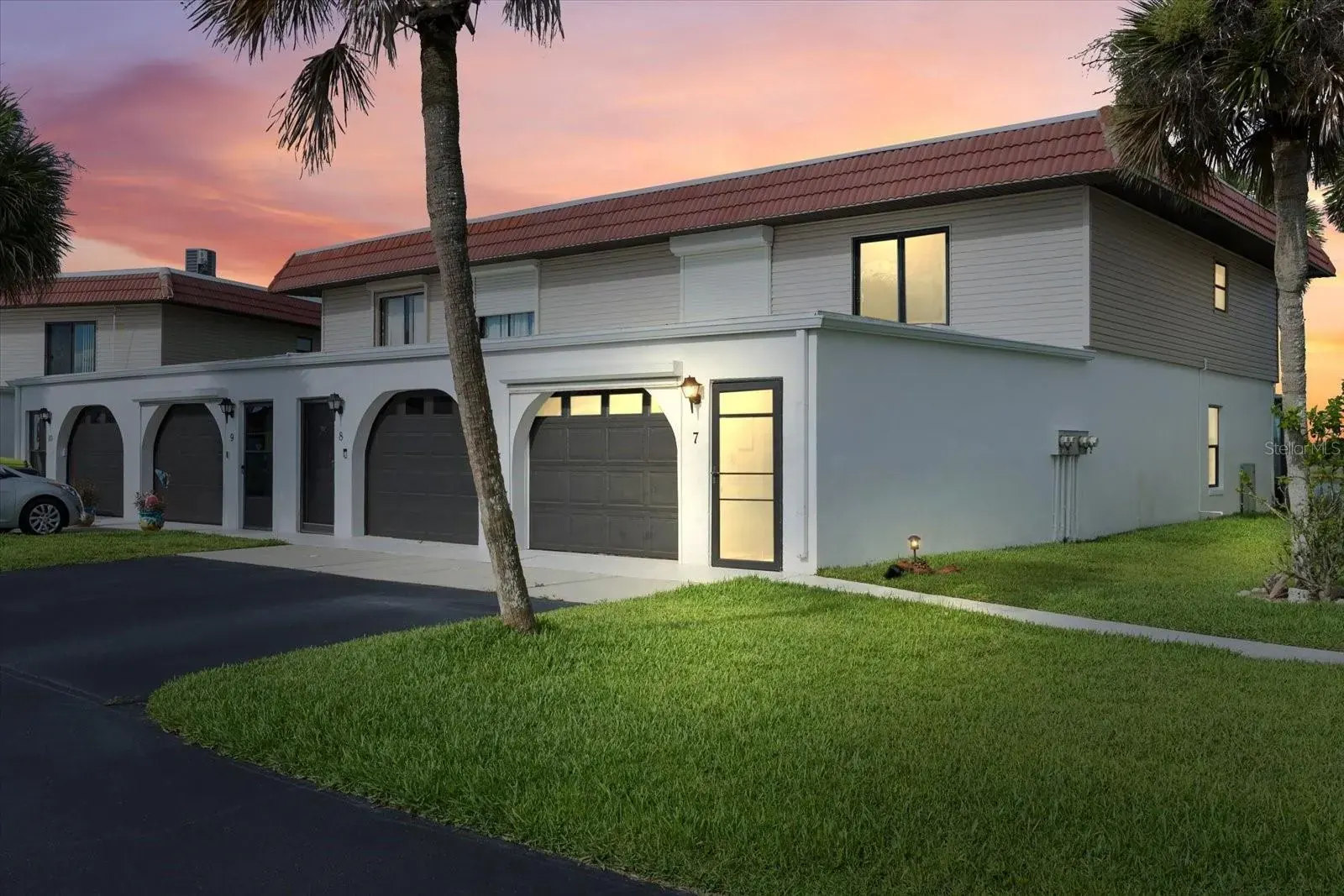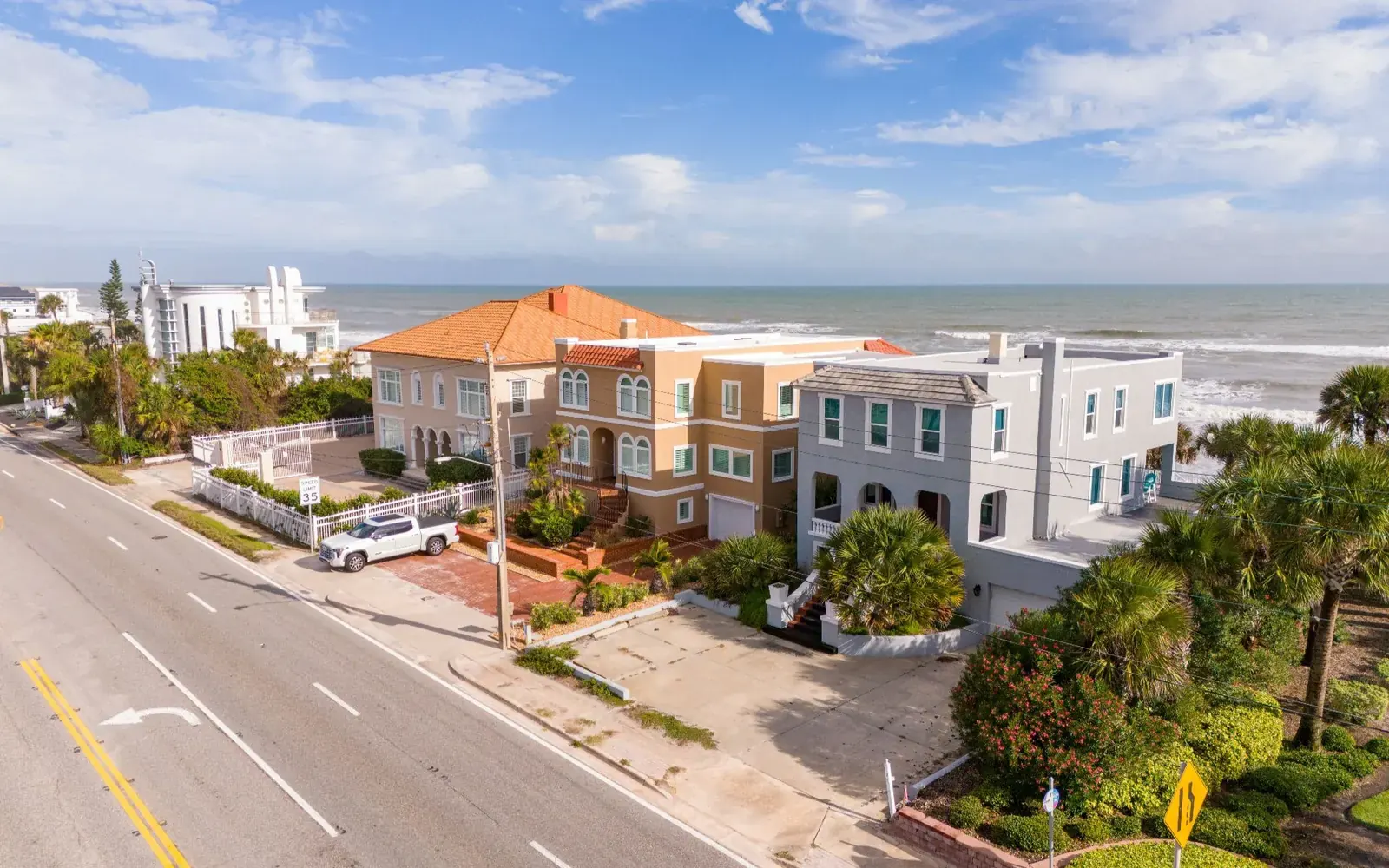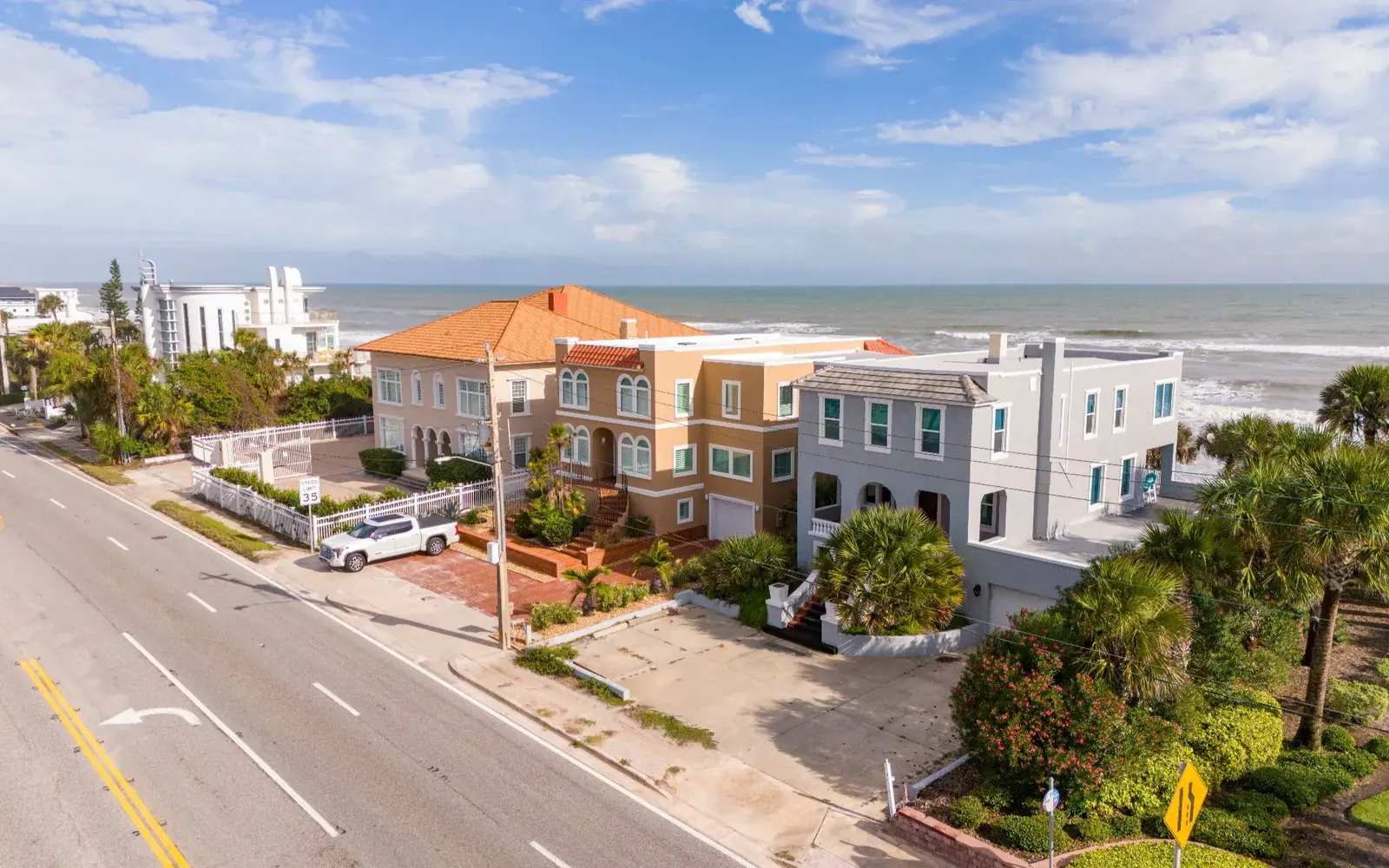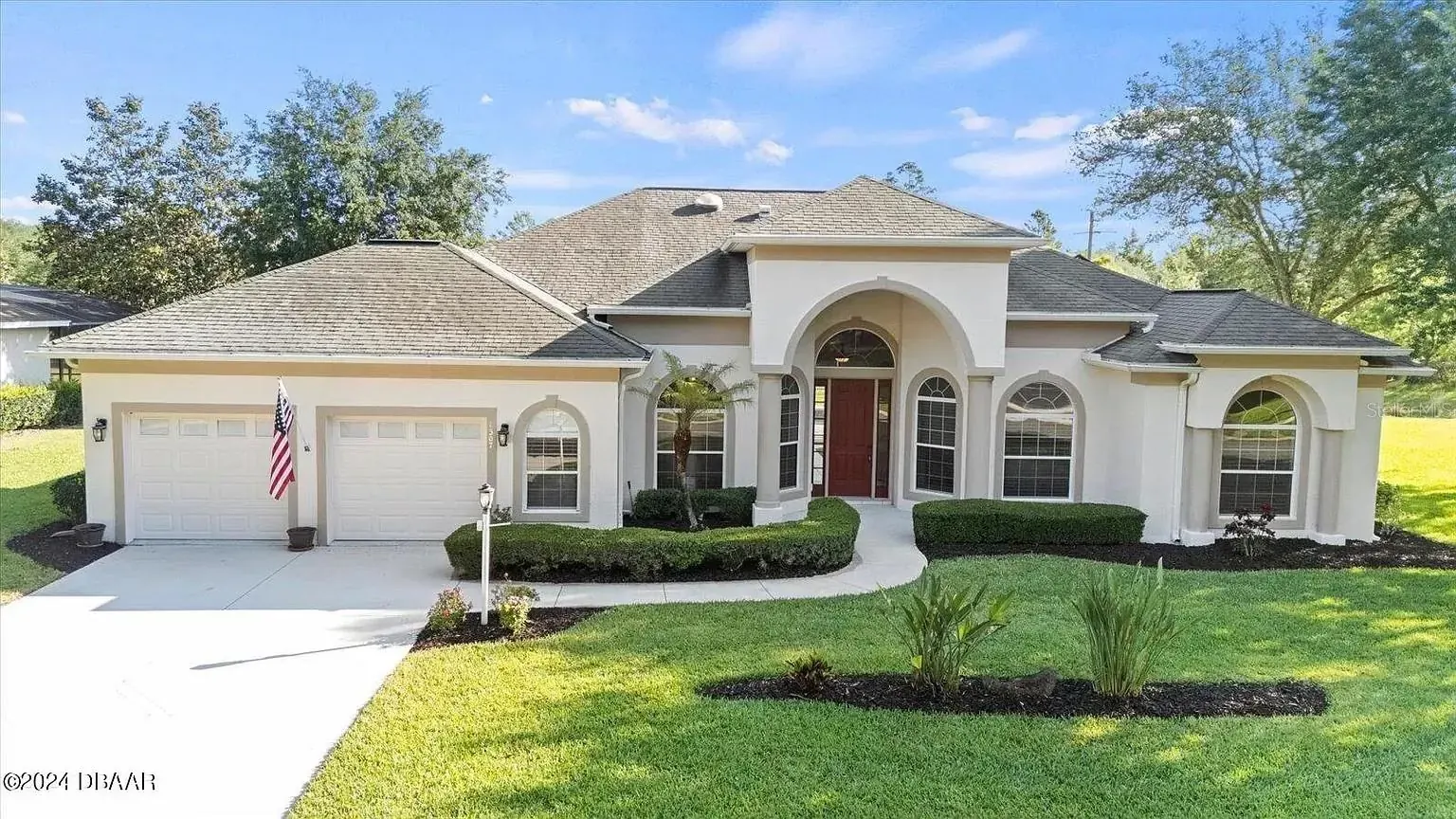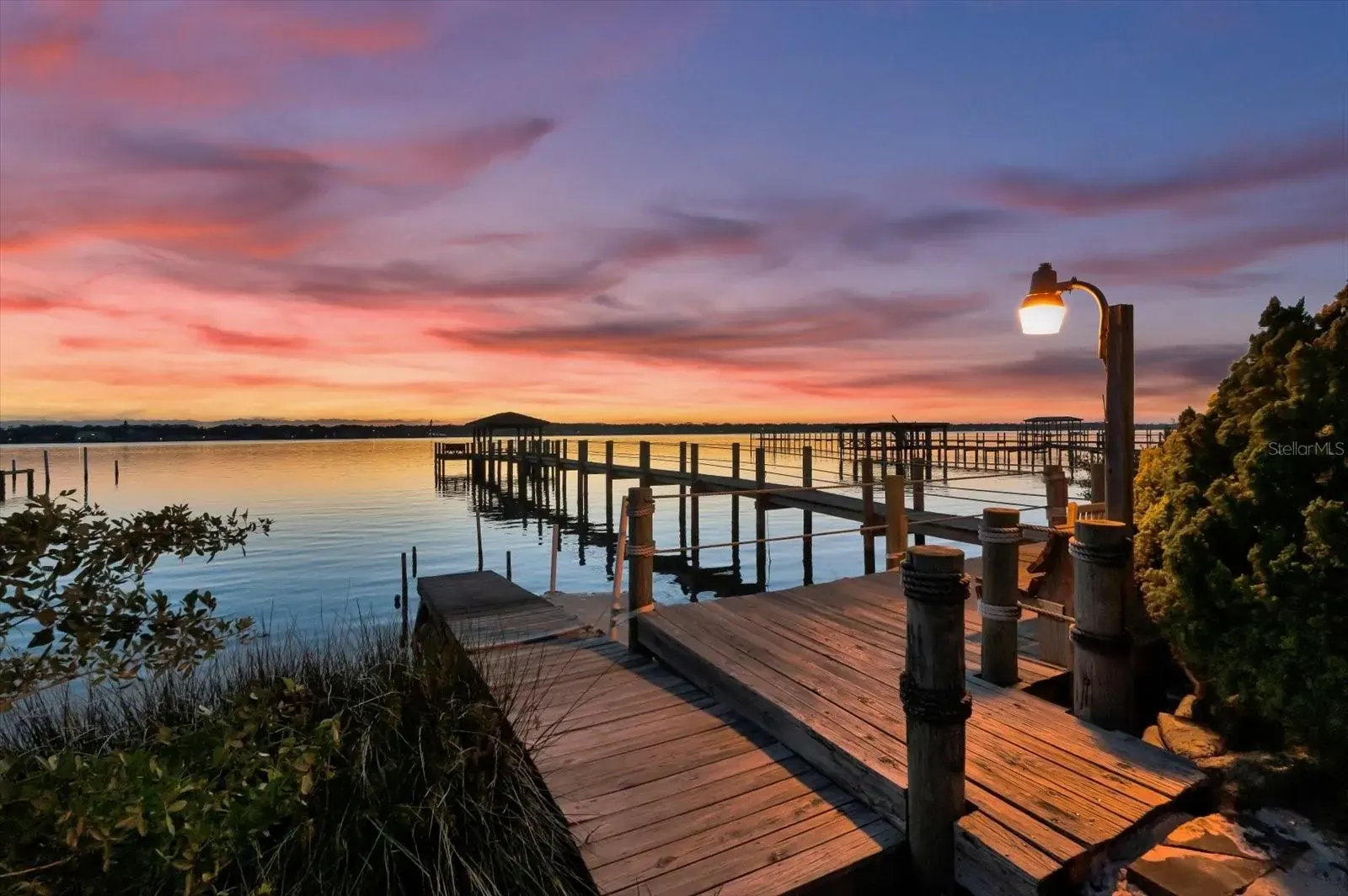
Choosing between riverfront and inland living in Ormond Beach can feel like picking between two versions of the same coastal lifestyle. Do you want water views and direct river access, or would you rather get more space, flexibility, and value for your money?
Ormond Beach offers two distinct lifestyles
Ormond Beach has a clear split between its water-oriented areas and its more inland mainland neighborhoods. The city’s beachside activity centers around corridors like Granada Boulevard, Riverside Drive, and John Anderson Drive, while Granada Boulevard also serves as the main east-west route from I-95 to A1A, according to the City of Ormond Beach retail development overview.
On the waterfront side, you will find public spaces that reflect that river-centered lifestyle. Places like Fortunato Park, Cassen Park, Bailey Riverbridge Gardens, and Seabridge Riverfront Park offer amenities such as docks, piers, canoe access, boat ramps, and walking paths.
That geography shapes how life feels from one part of Ormond Beach to another. Riverfront living tends to put the Halifax River at the center of your routine, while inland living often gives you easier access to larger lots, more parking, and commuter-friendly routes.
What riverfront living feels like
Riverfront living in Ormond Beach is really about access and experience. Homes along Riverside Drive, John Anderson Drive, and near the Tomoka River often emphasize features like water views, docks, boat houses, outdoor entertaining areas, and larger lawns oriented toward the river.
If you spend your free time boating, fishing, kayaking, or simply enjoying the view, that premium can make sense. For some buyers, the water is the reason for the move.
There is also a unique daily rhythm that comes with living near the river. Morning walks by the water, sunset views, and the convenience of having boating access close to home can become part of your routine in a way inland homes usually cannot match.
What inland living offers instead
Inland living in Ormond Beach usually shifts the value equation. Instead of paying primarily for direct water frontage, you are often buying more usable land, more privacy, and more flexibility in how you use the property.
You can see that in Breakaway Trails, where many lots run a third of an acre or more, in Country Acres, which has wooded lots over an acre, and in Tomoka Oaks, where homesites often run 13,000 to 18,000 square feet.
For many buyers, that means room for extra parking, larger garages, more outdoor living space, or simply a little more breathing room between homes. If your lifestyle is centered more on space and convenience than direct waterfront access, inland living can be a strong fit.
Beach access is still within reach inland
One of the biggest misconceptions about inland living is that you have to give up the beach lifestyle. In reality, beach access is not limited to waterfront owners.
Volusia County’s Park Volusia program provides residents with complimentary access to county off-beach parking and beach driving once they register. Nonresidents can also purchase passes.
In practical terms, that means you can live inland and still enjoy regular beach days without paying a riverfront premium. The tradeoff is convenience. Instead of stepping into your backyard or onto a nearby dock, you are more likely to drive to the water rather than walk right out to it.
Price differences are hard to ignore
When you compare riverfront and inland homes in Ormond Beach, pricing is one of the clearest dividing lines. Citywide, recent market snapshots put Ormond Beach roughly in the high-$300,000s to low-$400,000s depending on the data source.
In September 2026, single-family homes in Ormond Beach sold for a median of about $369,000 (86 sales, Volusia County Property Appraiser records), and the median list price was about $398,000 on the mainland (ZIP 32174) and $430,000 beachside (ZIP 32176). For current listings and 12-month sales, see Ormond Beach homes for sale.
The bigger story is the spread between neighborhoods. Beachside and riverfront streets sell far above many mainland subdivisions, so where a home sits inside the city can move the price more than its square footage does.
Riverfront carries a clear premium
Direct river frontage carries a major premium, and homes on the river along Riverside Drive and John Anderson Drive are among the most expensive in Ormond Beach.
By contrast, many inland homes in neighborhoods like Breakaway Trails sell in the $400,000s to $700,000s on bigger lots, and wooded acreage in Country Acres costs far less per acre. No two homes are exactly alike, but the pricing signal is clear: direct river frontage in Ormond Beach often comes at a substantial premium.
That matters because it helps clarify where your money goes. With riverfront property, more of your budget may be tied to the location, water access, and views. With inland property, that same budget may buy more lot size, more storage, or a larger home footprint.
Flood and insurance matter more on the water
If you are considering riverfront living, due diligence becomes even more important. The biggest non-price difference between riverfront and inland living is often flood exposure and the insurance questions that come with it.
FEMA flood maps are a key starting point because they show how a property relates to high-risk flood areas. FloodSmart and Florida’s Office of Insurance Regulation note that flood insurance may be required depending on the property’s location, especially when a federally backed mortgage is involved.
Florida law also now requires sellers of residential real property to provide a flood disclosure under Florida Statute 689.302. For buyers, the practical takeaway is simple: verify the exact address on FEMA and county flood resources before you make an offer, especially on riverfront or low-lying property.
Evacuation zones can affect your decision
Storm planning is another practical part of the riverfront versus inland decision. Volusia County evacuation guidance states that Zone A is the most at-risk evacuation zone.
Zones are based on storm-surge risk, so beachside and riverfront streets are more likely to be in an early-evacuation zone than inland neighborhoods. Look up the exact address on the county's evacuation zone map before you buy.
For some buyers, that is manageable and worth the tradeoff. For others, lower-maintenance storm planning may be a strong reason to lean inland.
How to choose the better fit
The right choice usually comes down to how you plan to live, not just what looks best in photos. Riverfront homes are often the better fit if the water is central to your routine and you are comfortable with the added cost and due diligence.
Inland homes often make more sense if you want more space per dollar, more flexibility for parking and storage, and easier access to shopping and commuter routes. The city’s corridor layout supports that practical advantage, especially around major routes like Granada Boulevard, North U.S. 1, and connections toward I-95.
A simple way to think about it is this:
| If you value... | Riverfront may fit better | Inland may fit better |
|---|---|---|
| Direct water access | Yes | No |
| River views | Yes | No |
| More land for the money | Less likely | More likely |
| Easier parking and storage | Less likely | More likely |
| Lower flood-related concern | Less likely | More likely |
| Drive-based beach access | Possible | Very common |
If the river itself is a daily lifestyle feature for you, the premium may be worth it. If the water is more of a nice bonus than a must-have, inland Ormond Beach may offer stronger overall value.
A smart move starts with local context
Because Ormond Beach has such a wide range of pricing, lot sizes, and location tradeoffs, broad averages only tell part of the story. The smartest next step is to compare specific neighborhoods and properties based on your actual priorities, whether that means boating access, larger lots, easier commuting, or a more flexible budget.
If you are planning a move in Ormond Beach and want help narrowing down the right fit, connect with David Stanley. You can get local insight, property-level guidance, and a practical strategy built around how you want to live.
FAQs
What is the main difference between riverfront and inland living in Ormond Beach?
- Riverfront living usually offers direct water access, views, and boating-focused features, while inland living often offers more space, privacy, parking, and flexibility for the money.
How much more expensive are riverfront homes in Ormond Beach?
- Riverfront homes usually sell far above the citywide median, often from the high six figures into the millions depending on frontage, dock and lot size.
Can inland Ormond Beach residents still enjoy beach access?
- Yes. Volusia County residents can register for complimentary county off-beach parking and beach driving through the Park Volusia program.
What flood questions should buyers ask about Ormond Beach riverfront homes?
- You should check the exact property address on FEMA flood maps, ask about flood disclosure details, and confirm whether flood insurance may be required for the property.
Are inland neighborhoods in Ormond Beach better for larger lots?
- Often, yes. Many inland neighborhoods offer larger or more flexible lots than riverfront streets, including estate-style lots and wooded acreage.
What kind of buyer is usually the best fit for Ormond Beach riverfront living?
- Riverfront living is often the best fit for buyers who plan to actively use the water, want views as part of daily life, and are comfortable with higher pricing and more property-specific due diligence.
New articles by email
Get my new articles every Saturday
One short email a week with what I posted: Palm Coast news, local events, community guides and the market. No new articles, no email.

About the Author
David Stanley is a Broker Associate with CENTURY 21 Fine Homes & Estates Realty Exchange and has lived in North Florida for 23 years. A former Flagler Beach Ocean Rescue lifeguard and firefighter, he has closed over $60 million in Palm Coast-area sales.
More about David · Pick a time to talk