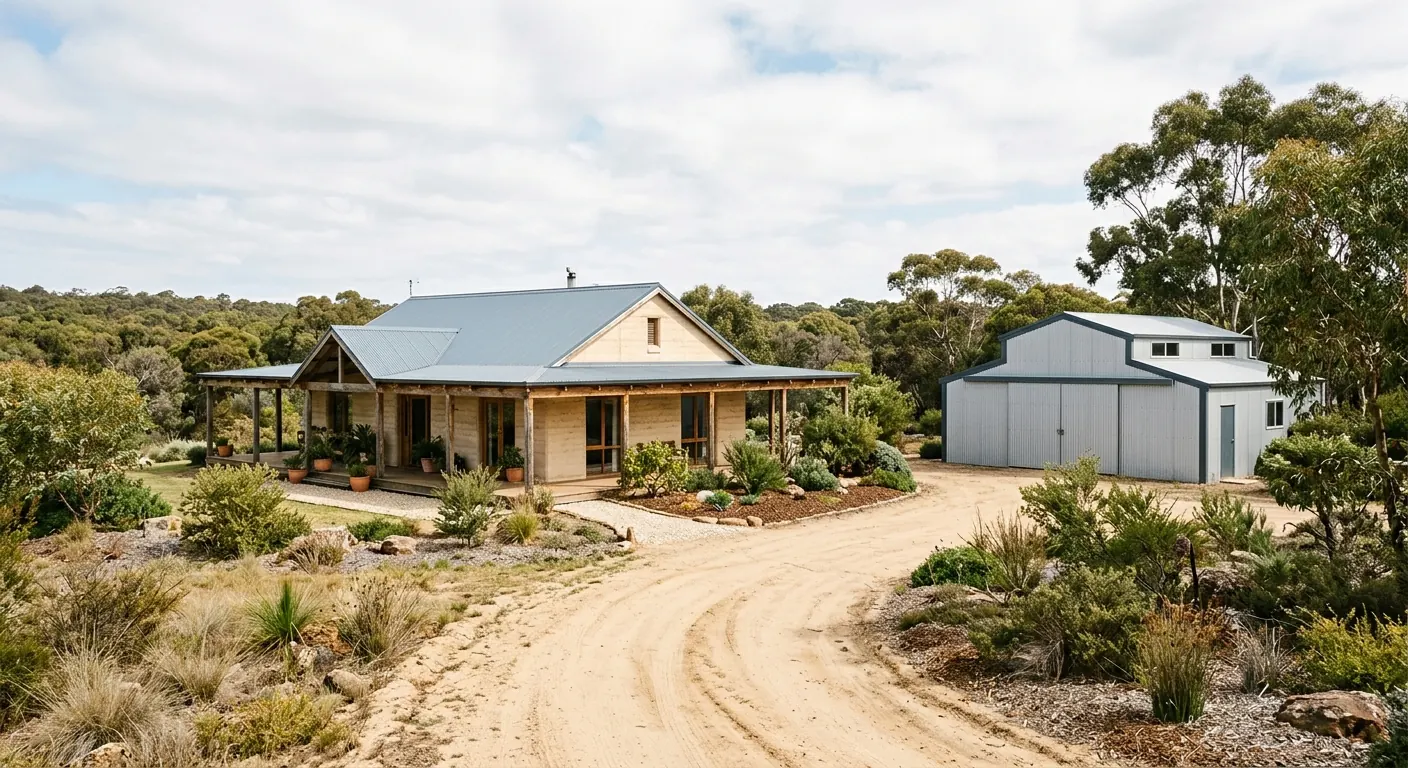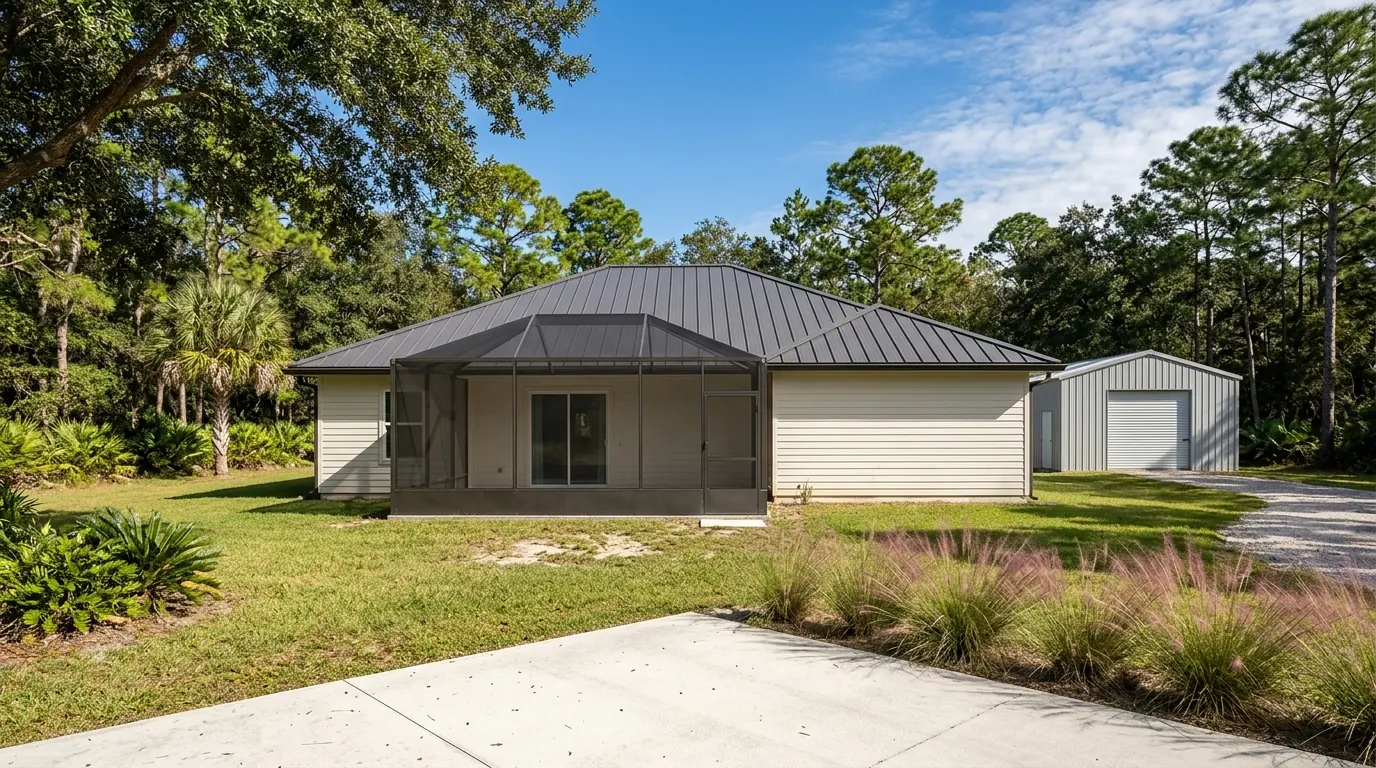
Selling a rural home or acreage outside Bunnell plays by different rules. Buyers care less about granite counters and more about usable acres, legal access, well and septic status, and whether the zoning fits their plans. If you have owned your land for years, the paperwork can feel scattered and today’s buyers ask detailed questions early. In this guide, you will learn how to prepare, price, and market your Bunnell acreage to maximize value and minimize surprises, with direct links to local offices and forms.
Understand buyer demand in Flagler County
If you are selling in Bunnell, your competing inventory and buyer pool are countywide. That includes Palm Coast, Flagler Beach, and unincorporated Flagler County. The Flagler County Association of REALTORS publishes monthly MLS reports that show how the market is moving. For example, FCAR reported a July 2026 median sale price for single‑family homes of about $395,250 and a median time to sale of 111 days, a reminder that most listings here move over months rather than days. You can review the latest numbers in the FCAR market reports.
Acreage draws a narrower buyer pool, such as hobby farmers, equestrian buyers, and people who want privacy or room for a workshop. That smaller audience can lengthen marketing time. It also puts a premium on clear proof of value, like recent surveys, septic and well records, and a simple summary of what the land can be used for.
Verify zoning, permits, and site constraints
Confirm zoning and allowed uses
Before you set a price or write ad copy, confirm your zoning district and the list of permitted and conditional uses. This affects whether a buyer can keep horses, add an accessory building, or subdivide. If the land is inside Bunnell city limits, which now cover about 140 square miles, zoning and building permits go through the City of Bunnell Community Development Department. For unincorporated land, start with Flagler County Planning and Zoning for the zoning map, the Land Development Code, and staff contacts who can confirm district rules and forms. Visit Flagler County Planning and Zoning.
Permits and accessory structures
Unpermitted work is a common deal killer. Pull your permit history for the home and any barns, sheds, or additions. If there is unpermitted work, talk with the county about curing it or obtaining after‑the‑fact permits before you list. Use Central Permitting and Building and Inspections to search records and verify contractor licensing.
Septic systems and private wells
Many rural properties rely on onsite sewage systems. Buyers often request a copy of the system permit and a recent inspection. You can find local guidance and permit contacts through the Florida Department of Health for Flagler County. Review the county’s onsite sewage resources here: Flagler County Onsite Sewage.
Private wells are also common. UF/IFAS and county health guidance recommend annual testing for bacteria and nitrates. Including a recent water test and well logs in your listing packet builds trust. Learn more about well water testing best practices from UF/IFAS on household well water testing.
Flood zones and insurance
Check whether any structure lies in a FEMA Special Flood Hazard Area and, if so, locate or order an elevation certificate. Lenders will require flood insurance for federally backed loans in SFHAs, and buyers will want to know the implications. The county uses FEMA flood maps. Start with Planning and Zoning and share the NFIP’s buyer‑friendly overview, Why Do I Need Flood Insurance.
Soils, wetlands, and buildable acres
Soil type and seasonal high‑water levels influence where a home site or barn can go and whether a standard septic system is feasible. County projects often reference the USDA NRCS Web Soil Survey and local soils mapping when evaluating sites. If your land includes wetlands, county and federal rules may apply. To see the soils on your own parcel, use the free USDA NRCS Web Soil Survey. A short soils summary in your packet helps buyers understand buildable areas.
Taxes and agricultural classification
Florida’s agricultural or “greenbelt” assessment can reduce taxes when land is in bona fide commercial agricultural use. It requires a formal application and documentation, and there is a March 1 deadline. If your property carries an agricultural classification, gather the paperwork and be ready to explain whether it may continue after the sale. See UF/IFAS guidance on the agricultural classification, and confirm current status with the Flagler County Property Appraiser.
Price for usable acres and improvements
Start with land‑savvy comps
Use local MLS comps to anchor pricing, then adjust for usable acreage, utilities, and access. “Price per acre” is often a noisy metric. The most saleable acres are usually the upland, buildable portions with legal access and nearby utilities. Lean on FCAR data and a detailed CMA from a local agent who works rural listings.
Adjust for what buyers value most
Consider adders or subtractors that can move value:
- Buildable envelope and uplands versus wetlands.
- Utilities and septic suitability.
- Road frontage and easement quality.
- Improvements such as barns, fencing, stalls, arenas, or workshops.
- Timber or crop value when present.
- Conservation easements or leases that restrict use.
Bring in the right pros
A Certified General Appraiser with rural experience or a land specialist broker can strengthen your pricing strategy. If boundary lines are unclear, hire a surveyor. Clear boundaries reduce friction and low offers. For clarity on how the county approaches assessment and taxable value, see the Property Appraiser’s overview of the appraisal and taxation system.
Prepare your property and paperwork
Documents buyers expect to see
Create a concise listing packet that answers common questions up front. Include:
- Recorded deed and legal description.
- Recent boundary survey or plat showing easements.
- Septic permit and a recent inspection report.
- Well logs and the latest water test results.
- Building permits and certificates of occupancy for barns and outbuildings.
- Proof of agricultural classification if applicable.
- Recent utility bills if connected to city water.
- Road maintenance or gate and HOA agreements if access is private.
You can pull many records from the Flagler County Property Appraiser and Central Permitting.
Simple site upgrades that pay off
First impressions set buyer expectations. Focus on practical fixes:
- Clear and mark the access drive and parking area.
- Repair or straighten fencing and gates.
- Remove junk, unused equipment, and view‑blocking clutter.
- Mow and define pastures or open land.
- Trim trees or brush that block access or views.
- Consolidate heavy machinery out of camera view.
These steps reduce the sense of deferred maintenance and help your photographer and videographer show the land at its best.
Market where acreage buyers look
Put it in the right channels
List on the local MLS to reach the county’s buyer agents and syndication partners. The FCAR reports can help you frame the market story in your listing remarks. See FCAR market reports. Add a land‑specific marketplace to capture buyers searching for acreage, farms, and horse properties. Land marketplaces such as LandSearch let buyers filter by acreage, use, access, and improvements.
Make your listing easy to understand
Acreage buyers scan for clarity. Invest in:
- High‑quality aerial photos and drone video that show access, building sites, pastures, ponds, timber boundaries, and proximity to towns.
- A clear boundary overlay tied to your survey. You can source parcel outlines from the Property Appraiser’s GIS tools.
- A one‑page site‑use memo summarizing zoning, buildable acres, septic suitability, and any constraints.
- A narrated video walk‑around for remote buyers.
Pricing and buyer‑agent strategy
Decide with your listing agent whether to offer buyer‑agent compensation to widen interest. Since August 2024 those offers can no longer be posted in the MLS, but they can still be made and shared off the MLS. Consider staged pricing. Start competitive to draw early attention, then be ready to present your packet of comps, soils and septic details, and permits to serious buyers quickly.
Your Bunnell seller checklist
Use this pre‑listing sequence to shorten timelines and reduce surprises:
- Pull parcel, tax, and permit history from the Property Appraiser and Central Permitting.
- Order a current boundary survey or note that the sale is subject to a new survey if none exists.
- Get a septic inspection and print OSTDS records from the Florida Department of Health for Flagler County.
- Test your well water for bacteria and nitrates. Review UF/IFAS guidance on well water testing.
- Verify building permits for any outbuildings or additions and cure major issues via Central Permitting.
- Confirm zoning and allowed uses with Planning and Zoning and check whether the property carries an agricultural classification via the Property Appraiser. See UF/IFAS guidance on agricultural classification.
- Check FEMA flood maps and, if in or near a Special Flood Hazard Area, obtain or locate an elevation certificate. Share the NFIP’s overview, Why Do I Need Flood Insurance.
- Assemble a marketing packet with survey, a simple soils summary, septic and well reports, permit history, and high‑resolution aerials. Use parcel imagery from the Property Appraiser’s GIS tools.
Local resources
- Flagler County Planning and Zoning. Zoning map and land‑use forms. Planning and Zoning
- Central Permitting. Permit submittal and history. Central Permitting
- Building and Inspections. Permits and contractor licensing. Building and Inspections
- Flagler County Property Appraiser. Parcel search, GIS, taxes, classifications. Property Appraiser
- FCAR market reports. Monthly MLS statistics. FCAR reports
- City of Bunnell water, sewer and stormwater. Bunnell Infrastructure Department
- City of Bunnell zoning and building permits for land inside city limits. Bunnell Community Development
- Florida Department of Health. OSTDS guidance. Onsite Sewage
- USDA NRCS soils mapping. Web Soil Survey
- FEMA and NFIP guidance. Flood insurance overview
- Land marketplace example. LandSearch
Ready to talk strategy for your acreage in or around Bunnell? Call me and I'll show you how I'd market your land. Reach out to David Stanley to get a pricing plan, a clean pre‑listing checklist, and premium exposure that brings qualified buyers to your gate.
FAQs
How long does it take to sell a rural home in Flagler County?
- FCAR reported a July 2026 median time to sale of about 111 days for single‑family homes. Acreage often takes longer due to a narrower buyer pool. Your best lever is solid preparation and land‑savvy pricing supported by local comps and a complete document packet.
What documents should I gather before listing acreage in Bunnell?
- Deed and legal description, a recent survey, septic permit and inspection, well logs and a recent water test, permits and COs for outbuildings, agricultural classification proof if applicable, recent utility bills, and any private road or gate agreements. Pull records from the Property Appraiser and Central Permitting.
Will my agricultural classification carry over to the buyer in Flagler County?
- Florida’s agricultural classification depends on bona fide commercial agricultural use and requires a formal application process. It does not automatically carry over. Share your documents and advise buyers to confirm eligibility with the Property Appraiser. Learn more from UF/IFAS on agricultural classification.
How do I check for flood zones and wetlands on my Bunnell property?
- Use county and FEMA resources to identify flood zones and review any elevation certificate if available. For soils and potential wetlands context, reference local planning documents. Start with Planning and Zoning, the NFIP’s flood insurance overview, and the USDA Web Soil Survey.
Do I need to inspect my septic and test my well before selling?
- Yes. Buyers frequently ask for a current septic inspection and water test for private wells. Providing these up front builds confidence and can speed negotiations. See county OSTDS guidance at Florida Department of Health for Flagler County and UF/IFAS well water testing guidance.
New articles by email
Get my new articles every Saturday
One short email a week with what I posted: Palm Coast news, local events, community guides and the market. No new articles, no email.

About the Author
David Stanley is a Broker Associate with CENTURY 21 Fine Homes & Estates Realty Exchange and has lived in North Florida for 23 years. A former Flagler Beach Ocean Rescue lifeguard and firefighter, he has closed over $60 million in Palm Coast-area sales.
More about David · Pick a time to talk