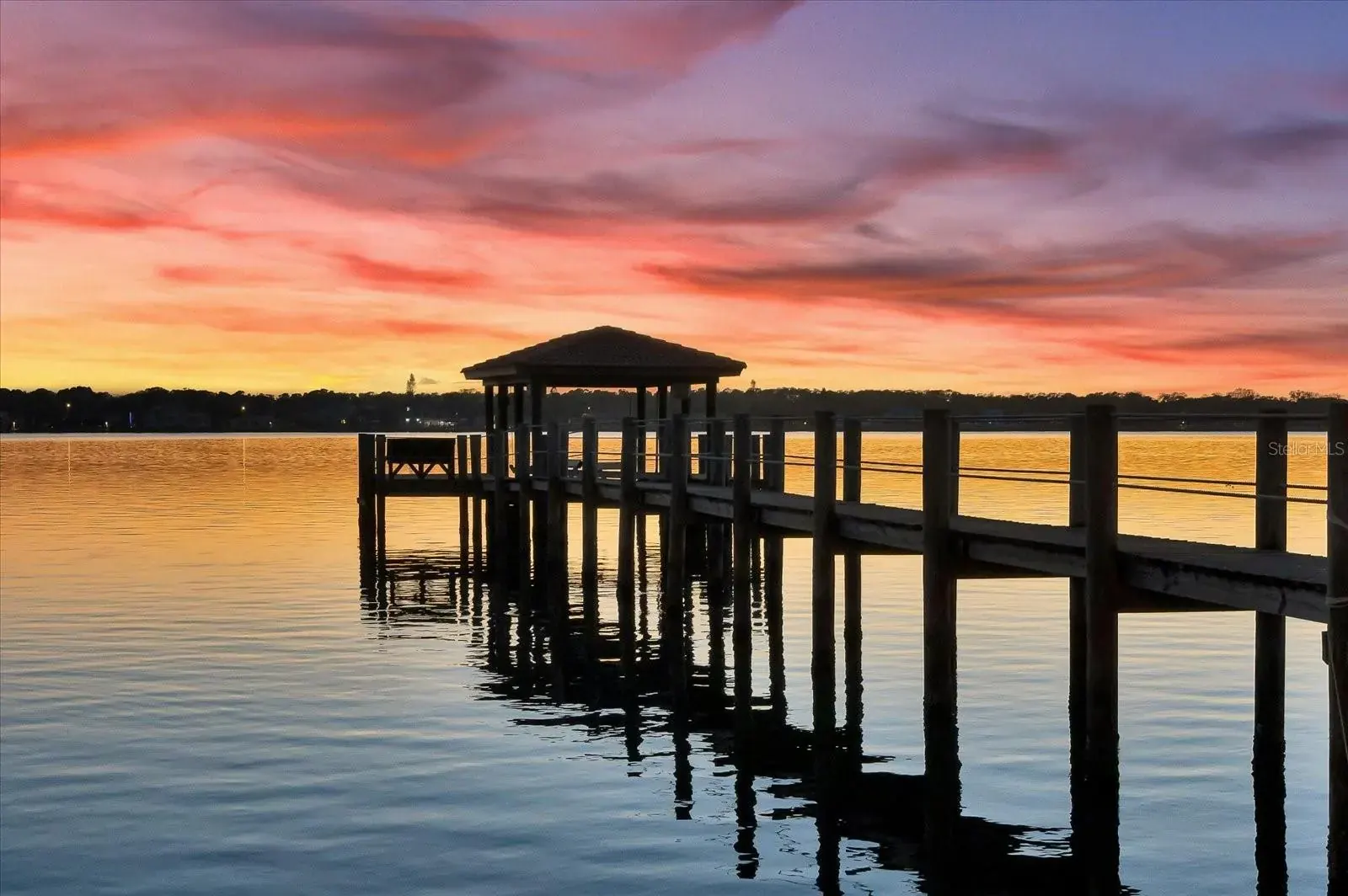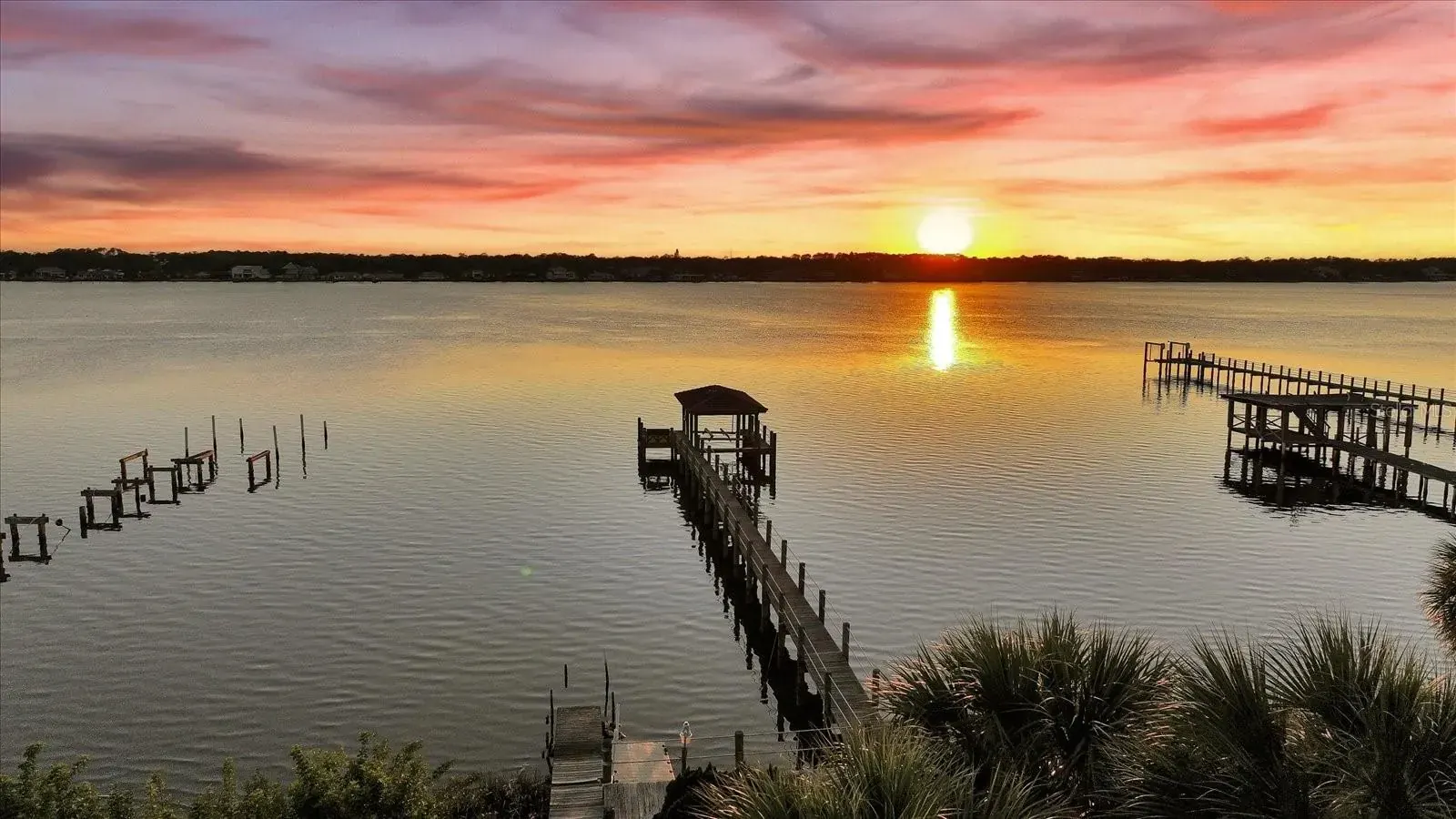
If you picture coffee at sunrise with the Atlantic on one side and a golden river sunset on the other, Ormond-by-the-Sea might be your kind of Florida. Life here feels slower, saltier and more small town than the bigger beach cities nearby. You want to know what a day really looks like, what homes you’ll find, and the key checks smart coastal buyers make. This guide walks you through the lifestyle, housing, and practical details so you can decide if the north peninsula fits your plans.
Where Ormond-by-the-Sea sits
Ormond-by-the-Sea occupies the narrow north peninsula between the Atlantic Ocean and the Halifax River. You’ll drive Ocean Shore Boulevard along the beach and John Anderson Drive by the river. The area meets Ormond Beach to the south and the Volusia–Flagler County line to the north. For a quick map and overview, see the area’s Wikipedia profile.
Daily life by the water
Beaches and parks
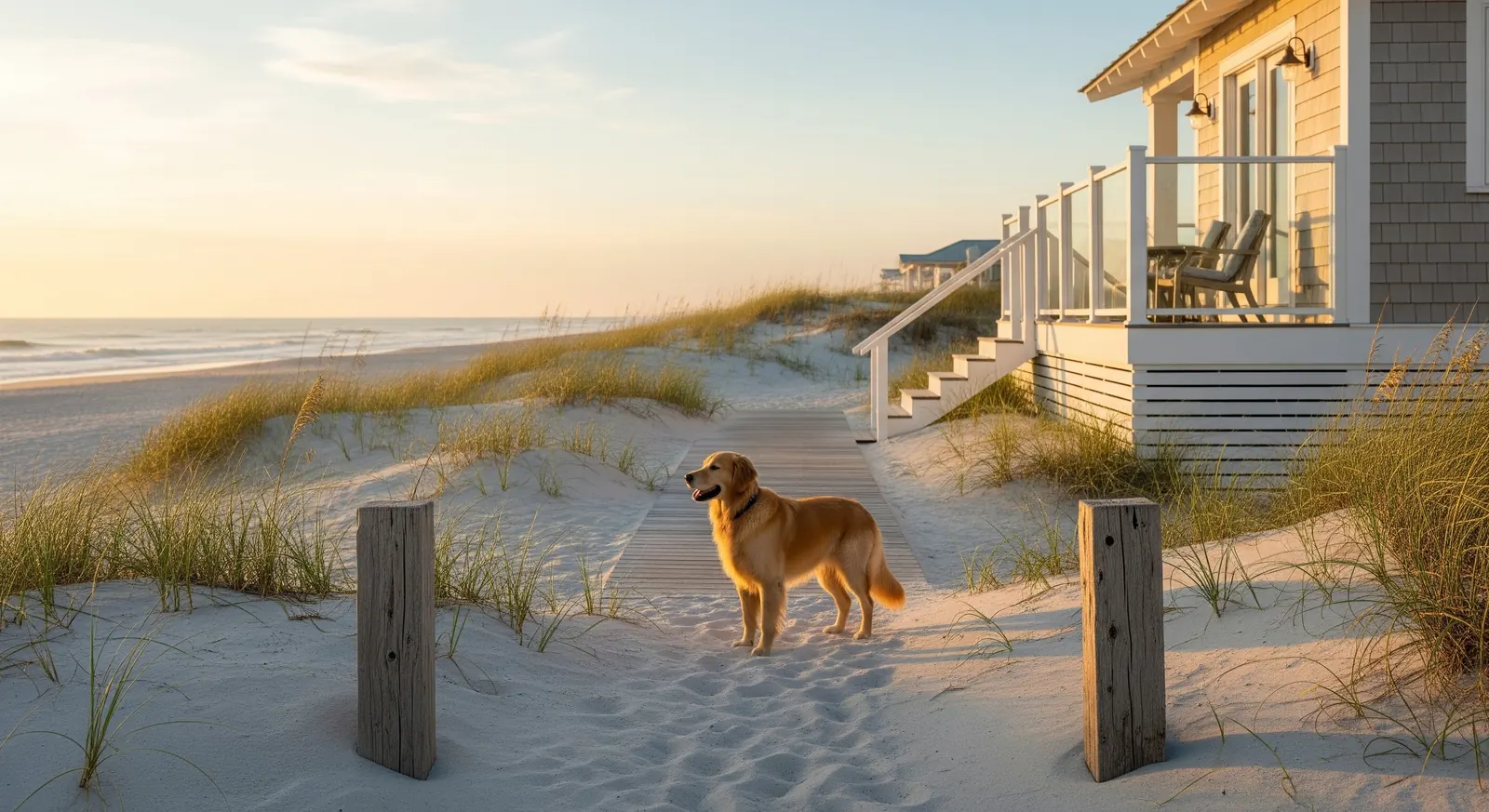
Beach access shapes daily life here. Tom Renick Park offers restrooms, pavilions and a playground with easy ocean access, all managed by the county. It’s a reliable place to launch a beach day or a quick walk on the sand. Get the amenities list and location from Volusia County’s Tom Renick Park page.
If you like quieter shoreline or nature, nearby state lands deliver. The Gamble Rogers Memorial State Recreation Area provides undeveloped stretches, paddling access and seasonal sea turtle nesting activity from May through October. Learn more about trails, launches and nesting season at Gamble Rogers State Park.
Walkability and getting around
Most errands here require a car. Addresses on the peninsula generally score in the car-dependent to somewhat-walkable range, with the best walkability around small retail clusters on A1A. Check a sample for context on Walk Score’s map.
For regional access, A1A runs the coast and the Granada Bridge connects to mainland Ormond Beach. Typical trips to local shops and services are often under 15 to 20 minutes, and the drive to Daytona Beach International Airport can run about 25 to 35 minutes, depending on start point and traffic.
Local food and culture
Expect casual, low-rise dining along A1A with seafood spots, outdoor decks and live music nights. For arts and gardens, the Ormond Memorial Art Museum & Gardens across the bridge anchors the local cultural calendar along with city events in nearby Ormond Beach.
Housing and neighborhood feel
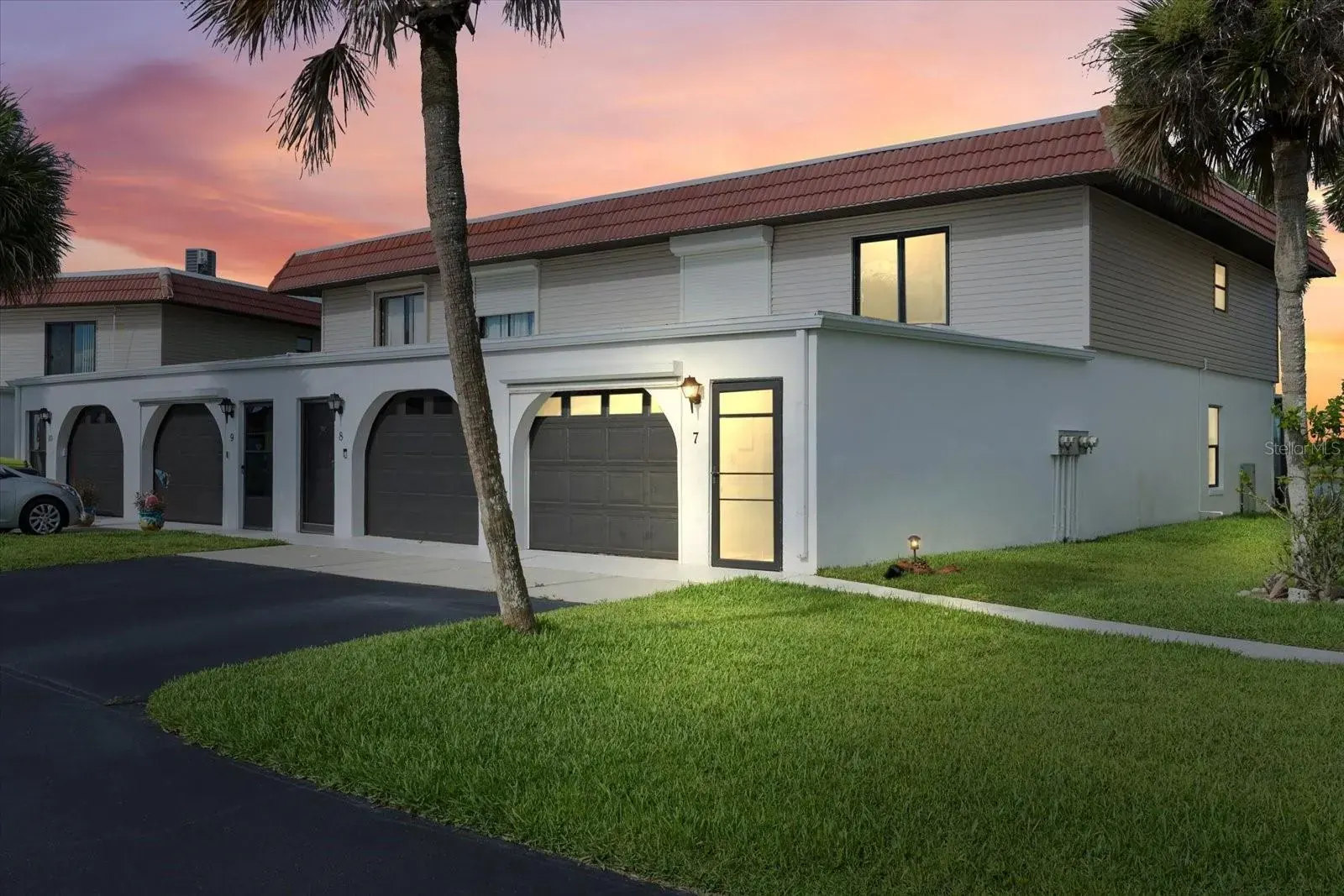
You’ll see a true beach-town mix: older cottages, mid-century condos and some newer infill. The skyline stays low, which keeps that “Old Florida” vibe and ocean views intact. Life tends to feel quieter than busier stretches of the coast, especially outside of peak weekends and event weeks.
Common home types
- Oceanfront and near-ocean condos: Predominantly low to mid-rise buildings along A1A. Many associations date from the 1960s–1980s with updates over time. Expect HOA fees and shared maintenance. Smart buyers review association financials, reserves and recent meeting minutes.
- Single-family cottages and inland homes: Modest post-war cottages sit close to the beach, with some renovated or newly built homes mixed in. Along the river, you’ll find select properties with docks or seawalls. Elevation, shoreline features and permit history can all affect value.
Market snapshot
In September 2026, the median list price in ZIP 32176, which covers Ormond-by-the-Sea and the Ormond Beach beachside, was about $430,000 (Realtor.com data). See my Ormond-by-the-Sea guide for current homes for sale. Listing prices vary by proximity to the water and building type. Values change month to month, so use a current, address-specific check when you are ready to tour.
Who chooses this area
With a median age around 62.8 in recent ACS estimates, the area draws many retirees and seasonal owners, along with lifestyle buyers who want an Atlantic-coast pace without high-rise intensity. Owner-occupancy rates are strong. You’ll also find full-time professionals and families who value the beaches and small-town rhythm. For a demographic snapshot, review the ACS summary on Census Reporter.
Practical buyer checks
Flood, elevation and insurance
This is a coastal community, so flood zones and elevation matter. Ask for an Elevation Certificate and compare a property’s location on FEMA flood maps. Initial neighborhood checks are easy with the NOAA Sea Level Rise Viewer and the FEMA Flood Map Service Center. For your budget, factor in flood and wind policies, then request quotes based on the exact address before you write an offer. For a local overview of how elevation, permits and insurance shape waterfront value, review this guide to pricing waterfront homes the right way.
Seawalls, docks and permits
Shoreline work often needs county and state permits. Ask sellers for documentation on docks, seawalls and recent repairs. Permit history and maintenance records reduce surprises during inspection and insurance underwriting.
Condos and HOAs
If you are buying a condo, plan to review the HOA or condo association’s financials, reserve studies, insurance structure and recent meeting minutes. Understand what your fee covers, how reserves are funded and whether there are pending assessments.
Taxes, utilities and services
Property taxes are set by county entities and districts. For exact parcel details and current billing, use the Volusia County Tax Collector. On older homes, confirm if the property is on septic or sewer and check utility connection status before closing.
Safety and policing
Ormond-by-the-Sea is unincorporated, so law enforcement is handled by the Volusia County Sheriff’s Office. For the most current, address-level data, review public records or request information directly from local authorities.
A day in Ormond-by-the-Sea
Start with a sunrise walk along A1A and a quick beach stop for shells and sea birds. Midday might mean a bike ride to a park pavilion or a paddle along the river. Evenings are simple: a seafood basket, a live-music set at a local spot and a quiet stroll as the breeze comes off the Atlantic. The small-town setting keeps things easy, and the water is always close.
House-tour checklist
Bring this short list to each showing:
- For beachfront or riverfront
- Elevation Certificate and any recent flood and wind insurance quotes
- Seawall and dock permits, plus repair and maintenance records
- Recent association documents if condo: financials, reserves, meeting minutes, insurance summary
- An as-built survey showing shoreline or mean high-water line
- For all properties
- Roof age, HVAC age and service history
- Termite and general inspection reports
- Septic vs. sewer status and utility connections
Is it right for you?
Choose Ormond-by-the-Sea if you want a calmer coastal lifestyle with easy beach access, parks you will use, and a low-rise neighborhood feel. Expect a car-forward routine with some walkable pockets and a mix of condos and cottages. Go in with eyes open on flood risk, insurance and permits, and you can find a home that fits both your lifestyle and budget.
Thinking about buying or selling on the north peninsula or nearby Flagler County? Connect with David Stanley for local guidance, current pricing, and a clear plan from search to close.
FAQs
Where is Ormond-by-the-Sea located?
- It sits on Volusia County’s north peninsula between the Atlantic Ocean and the Halifax River, just north of Ormond Beach, as outlined on Wikipedia.
How busy are the beaches in Ormond-by-the-Sea?
- Most days are calmer than central Daytona Beach, while weekends, holidays and event weeks bring more visitors. County and state parks help spread out crowds.
Are there high-rise condos on the peninsula?
- Buildings are largely low to mid-rise, which preserves the small-town shoreline character. You’ll find many older associations with updates and some newer options.
Can I walk to restaurants and shops?
- Some pockets near A1A plazas are walkable, but many errands still require a car. See a sample of local walkability on Walk Score.
What should I check before buying a waterfront home here?
- Confirm elevation and flood zone, get insurance quotes, and verify permits and maintenance for any seawalls or docks. This local waterfront guide explains why these details affect value.
Who provides property tax info for Ormond-by-the-Sea?
- The Volusia County Tax Collector provides parcel-level tax data and billing. Use the county’s site for exact figures at Volusia County Taxes.
New articles by email
Get my new articles every Saturday
One short email a week with what I posted: Palm Coast news, local events, community guides and the market. No new articles, no email.

About the Author
David Stanley is a Broker Associate with CENTURY 21 Fine Homes & Estates Realty Exchange and has lived in North Florida for 23 years. A former Flagler Beach Ocean Rescue lifeguard and firefighter, he has closed over $60 million in Palm Coast-area sales.
More about David · Pick a time to talk