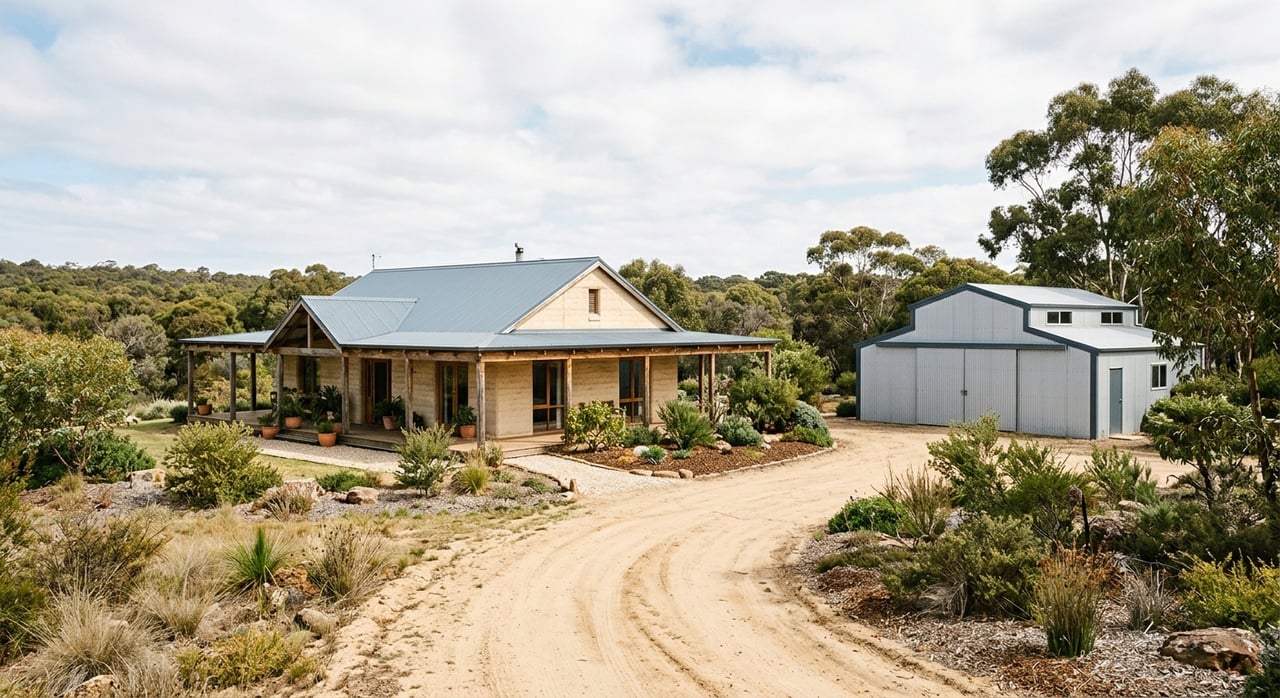
Looking for more space, more privacy, and a slower pace of life? Bunnell may sound like the perfect answer, but rural living is not just about owning more land. It also comes with different day-to-day routines, property rules, and planning needs. If you are thinking about buying in Bunnell, this guide will help you understand what rural living here actually looks like and whether it fits the way you want to live. Let’s dive in.
What Rural Living Means in Bunnell
Bunnell has a distinct mix of small-town access and wide-open space. The city describes itself as a place that blends urban charm with rural character, with a historic core and large annexed rural areas. That means your experience can vary a lot depending on where in Bunnell you buy.
The numbers back that up. Census Reporter’s ACS 2024 profile lists Bunnell at 3,682 residents across 136.3 square miles, which works out to about 27 people per square mile. In simple terms, that is a low-density setting where space is part of the appeal.
Bunnell is also known as the Crossroads of Flagler County. The city points to three state roads, a railway, and access near the Intracoastal Waterway and beaches. So while Bunnell is not a dense, walkable suburb, it does offer regional connections that can make rural living feel more practical.
What Acreage Living Can Look Like
If you picture a home with room for a garden, detached garage, workshop, or animals for personal use, Bunnell may offer options worth exploring. Still, the exact possibilities depend on zoning, utility access, and permitting. That is why parcel-level research matters so much here.
In Flagler County’s R-1 rural residential district, the minimum lot size is 1 acre in areas not served by central water and sanitary facilities. This district allows single-family homes along with customary accessory uses, crops, and keeping animals for personal use. For some buyers, that opens the door to the kind of flexible property use that is hard to find in more compact neighborhoods.
Bunnell also has AG&S zoning, which is intended for agricultural and silvicultural uses with very low-density residential development. City agenda materials describe this as one dwelling unit per five acres, and show that it has applied to parcels of 10 acres and 15.2 acres. If you want a true large-parcel setting, this is the kind of detail you need to understand early.
Why Future Land Use Matters
One of the biggest mistakes buyers can make with rural property is looking only at the home and not the land rules around it. In Bunnell, the city continues to review large-acreage land-use changes. Research materials mention a 1,259-acre project page and agenda items involving parcels of 49.91, 242.45, and 409.06 acres.
That does not mean change is happening next door to every rural property. It does mean you should verify both current zoning and future land use before you buy. If privacy and long-term surroundings matter to you, this step is essential.
Utilities Are Not One-Size-Fits-All
A rural address does not always mean the same utility setup from one parcel to the next. The City of Bunnell operates a 1 million-gallon-per-day water treatment facility, and its wastewater expansion is set to double treatment capacity from 0.600 MGD to 1.200 MGD. That shows municipal utility infrastructure exists in the area.
Still, not every parcel will have the same access to central water or sewer. Some properties may require closer review of service availability based on location. Before you fall in love with a property, make sure you confirm exactly how water and wastewater service work for that specific parcel.
Outbuildings and Sheds Need Approval
A lot of buyers are drawn to rural property because they want more than just a house. Maybe you want a shed, detached garage, barn-style structure, or workshop. In Bunnell and Flagler County, those structures are not treated as informal add-ons.
Both the city and county publish permit packets for sheds and accessory structures. County packets often require a survey or site plan along with construction drawings. If extra structures are part of your vision, it is smart to confirm the rules before you buy so your plans line up with what the property allows.
Daily Life in Bunnell Is Usually Car-First
For many buyers, the real question is not just whether they want land. It is whether they want the routine that comes with rural living. In Bunnell, daily life is usually more car-dependent than in a denser town or suburb.
Flagler County Public Transportation does exist, but it is a demand-response, shared-ride, door-to-door system. It runs from 6 a.m. to 6 p.m. Monday through Friday and 8 a.m. to 6 p.m. on Saturday, with restricted Saturday service. The fare is $2 each way, and service does not go out of county.
That setup can be helpful for some trips, but most households should expect to rely heavily on a car. If you want frequent transit, easy walkability, or quick out-of-county transit connections, Bunnell’s rural setting may feel limiting.
Some Services Are Local, Others Are Regional
Bunnell does offer access to some county services right in town. Flagler County Health and Human Services and senior services are located at 2199 Commerce Parkway in Bunnell. That adds convenience for some everyday needs.
At the same time, not every routine stays local. The district school list places Bunnell Elementary in Bunnell, while middle and high school campuses are in Palm Coast. Depending on your household needs, regular driving may be part of your weekly schedule.
Weather Planning Is Part of Rural Ownership
In Flagler County, weather readiness is an important part of owning any home, and it can be especially important when you are looking at larger or more rural parcels. The county recommends checking hurricane evacuation zones and offers ALERTFlagler as a free countywide emergency notification system. These are simple but important steps before and after you buy.
Flood planning also deserves close attention. Flagler County notes that standard homeowners and renters insurance policies typically do not cover flood damage. The county also provides flood-zone resources, including FEMA map access and elevation certificate references.
For rural parcels, this matters because land characteristics can vary. Drainage patterns, wetlands, and low-lying areas can affect how a property functions and what extra planning may be wise. Before buying, make sure you review flood-zone information carefully.
Who Bunnell Rural Living Fits Best
Bunnell rural living often works best for buyers who want room to spread out and who truly plan to use that space. You may be a good fit if you want privacy, acreage potential, gardens, animals for personal use, or extra space for workshops and outbuildings. It can also suit you if you enjoy a quieter small-town setting and do not mind a more hands-on property lifestyle.
It also helps if you are comfortable with permits, maintenance, and advance planning. Rural ownership often means paying more attention to zoning, utility details, and weather readiness than you might in a typical subdivision. If that sounds manageable rather than stressful, Bunnell may feel like a strong match.
When Bunnell May Be a Weaker Fit
Rural living is not ideal for everyone, even when the home itself looks appealing online. Bunnell may be a weaker fit if you want dense retail nearby, highly walkable streets, frequent public transit, or fast out-of-county transportation options. The local setup is simply not built around those priorities.
It may also feel less convenient if you do not actually want the responsibilities that come with extra land. More acreage can be a great asset, but only if you value the space enough to justify the upkeep, planning, and driving that often come with it.
A Smart Pre-Buy Checklist
Before you buy a rural property in Bunnell, it helps to slow down and ask the right questions. A little extra due diligence can save you from surprises later.
Here is a practical checklist to use:
- Confirm whether the parcel has central water and sewer, or whether a different utility setup needs to be verified.
- Check the current zoning and future land use, not just the listing description.
- Think clearly about whether you truly want acreage for animals, gardens, or outbuildings.
- Review permit requirements for sheds, barns, detached garages, or other accessory structures.
- Expect a car-first routine and consider whether that fits your lifestyle.
- Check flood-zone information, drainage concerns, and hurricane evacuation status.
- Sign up for ALERTFlagler so you can receive county emergency notifications.
The Bottom Line on Bunnell Rural Living
If you want elbow room, lower-density surroundings, and the chance to enjoy land in a quieter part of Flagler County, Bunnell can be a very appealing choice. The tradeoff is that rural living asks more from you in return. You need to be comfortable verifying zoning, utilities, permits, transportation realities, and weather-related risks before you commit.
For the right buyer, those tradeoffs are worth it. If you want help comparing parcels, understanding how different parts of Bunnell fit your goals, or narrowing down acreage options in Flagler County, David Stanley can help you make a confident move.
FAQs
What does rural living in Bunnell, Florida feel like?
- Rural living in Bunnell usually means lower-density surroundings, more land, and a more car-dependent routine than you would find in a denser suburb or city area.
Can you keep animals on rural property in Bunnell?
- Some rural residential areas in Flagler County allow keeping animals for personal use, but you should always confirm the parcel’s exact zoning and rules before buying.
Do Bunnell rural homes always have city water and sewer?
- No. Municipal utilities exist in Bunnell, but service can vary by parcel, so you should verify water and wastewater access for the specific property you are considering.
Do you need permits for sheds or outbuildings in Bunnell?
- Yes. Bunnell and Flagler County both publish permit materials for accessory structures, and requirements may include a site plan, survey, or construction drawings.
Is Bunnell a good fit if you want walkability and public transit?
- Usually not. Bunnell is generally a better fit for buyers who are comfortable with a car-first lifestyle and limited county-only transit service.
What should you check before buying rural land in Bunnell?
- You should review zoning, future land use, utility access, permit requirements, flood-zone status, and hurricane evacuation information before moving forward.