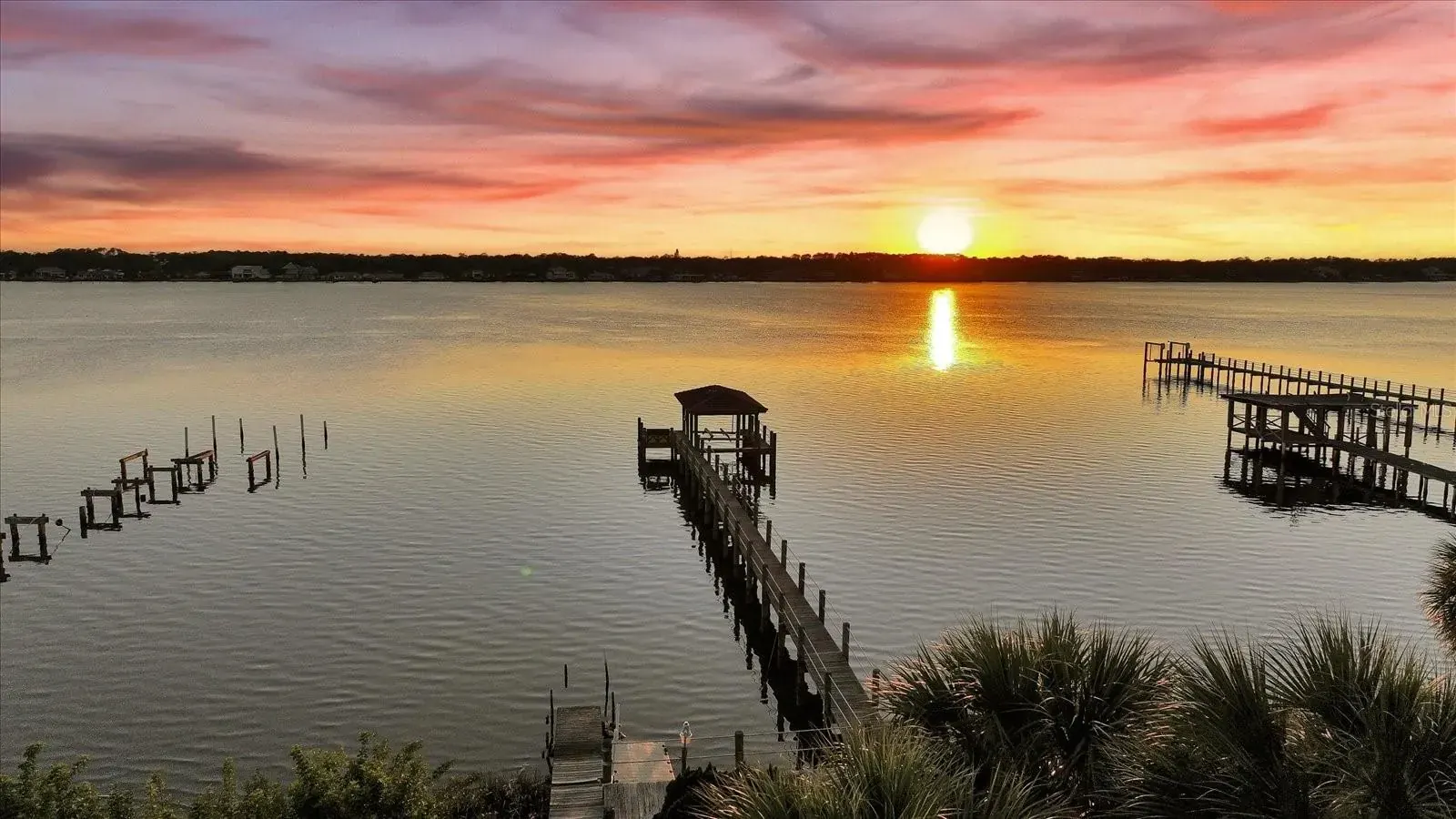
Dreaming about a place where the beach feels close, the pace feels lighter, and your second home can truly work as a retreat? Ormond-by-the-Sea stands out for buyers who want coastal access without the feel of a high-intensity resort market. If you are weighing lifestyle, price points, upkeep, and storm-season realities, this guide will help you understand what to look for before you buy.
Why Ormond-by-the-Sea Fits Retreat Buyers
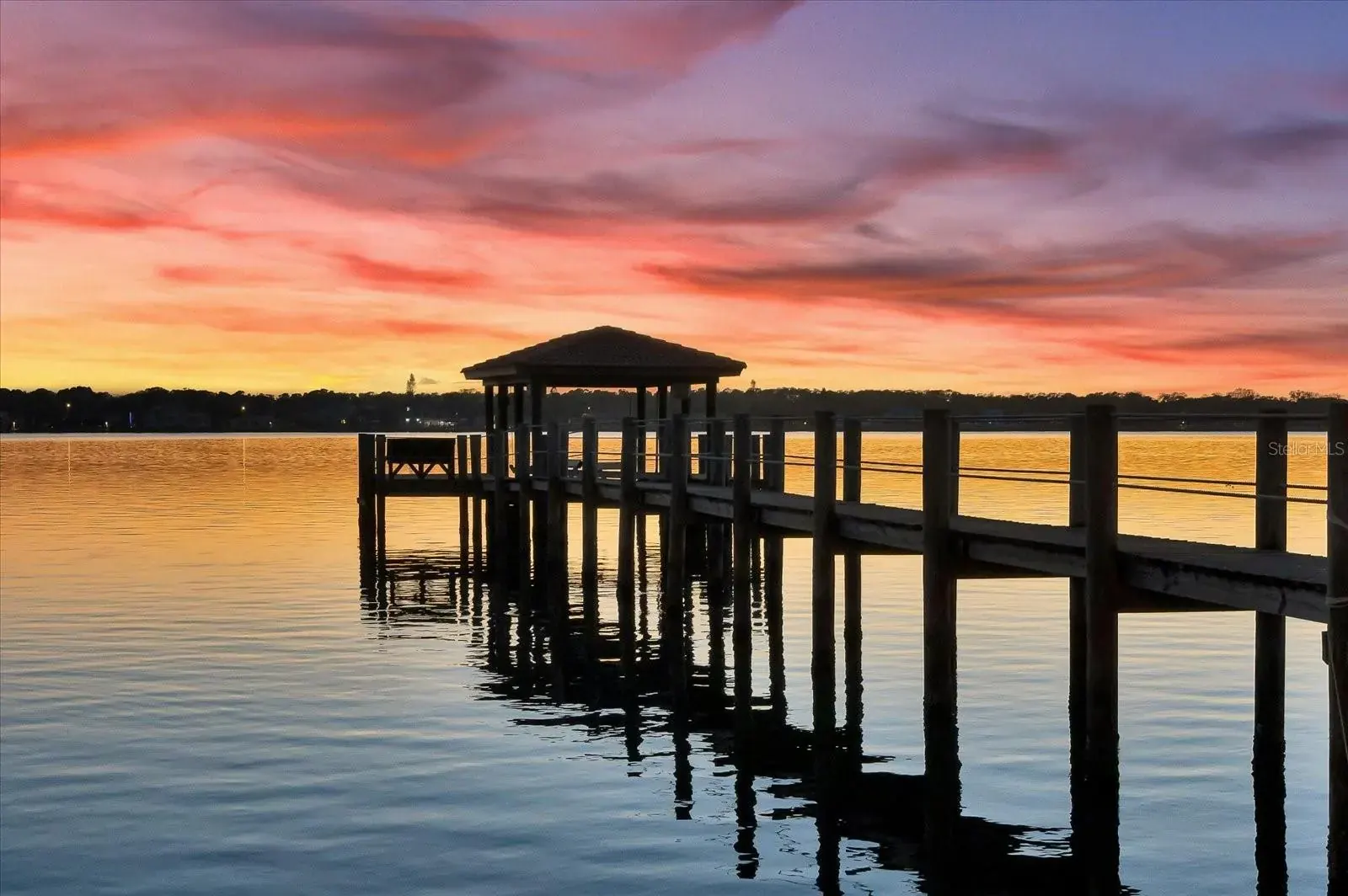
Ormond-by-the-Sea is a suburbanized area of unincorporated Volusia County set on a peninsula between the Atlantic Ocean and the Halifax River, according to county planning material. That geography is a big part of the appeal for second-home buyers who want a true coastal setting. You get the water-oriented lifestyle many buyers want, with a residential feel that can suit part-time use.
The area also appears relatively stable from a housing standpoint. The 2020 Census counted 7,312 residents, and Census estimates show about 85% of occupied homes are owner-occupied, though about a third of all housing units were vacant at the Census count, which is common in seasonal beach areas. That level of owner occupancy can be encouraging if you are looking for a place that feels established rather than overly transient.
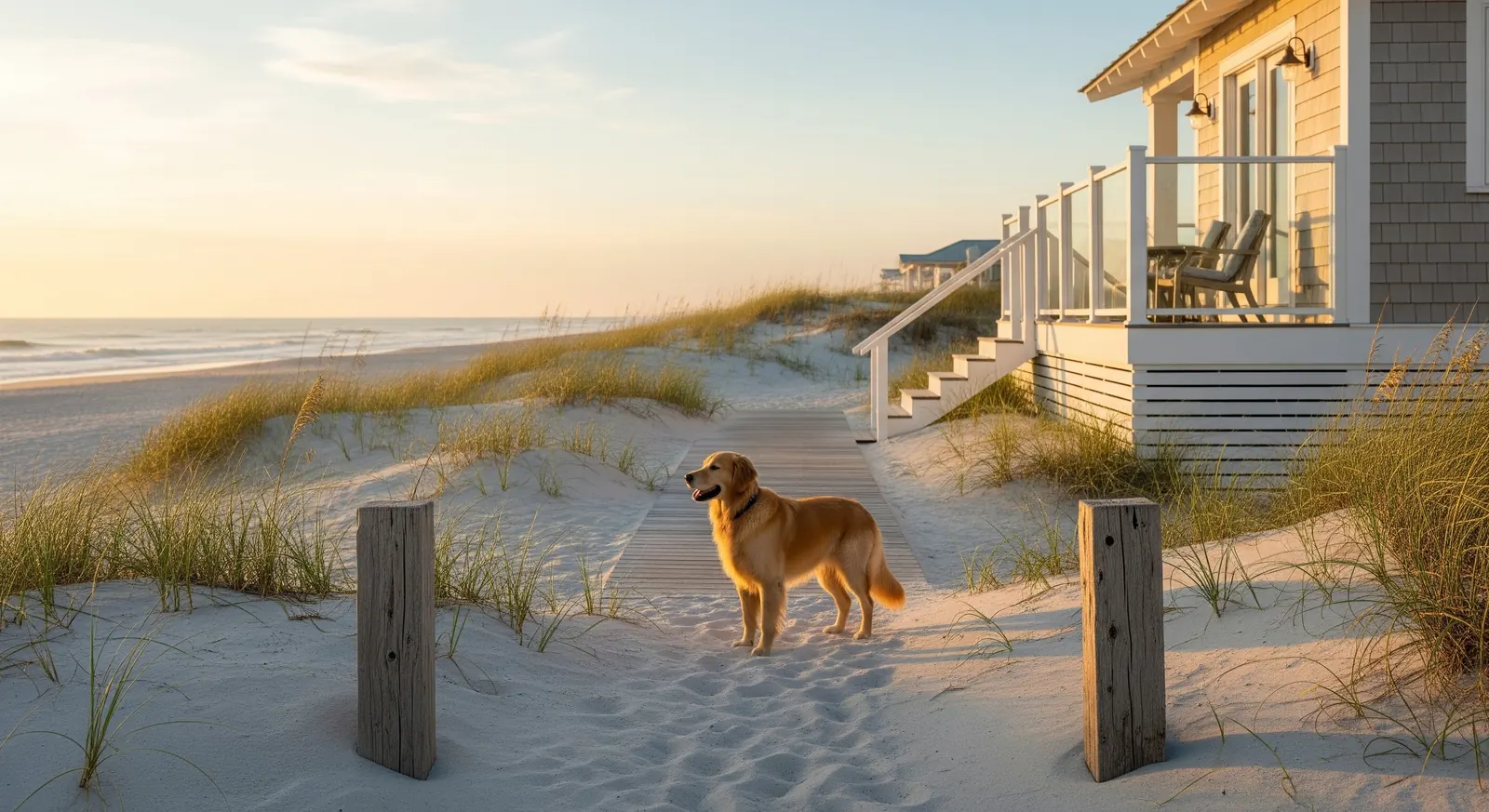
For many buyers, it's the feel of the place that sells them. North Peninsula State Park adds to that retreat feel with more than two miles of unspoiled Atlantic beaches, plus fishing, picnic areas, restrooms, and a walk or jog bike path. If your ideal second home includes simple outdoor access and a quieter coastal rhythm, that matters.
What Homes You Will Find
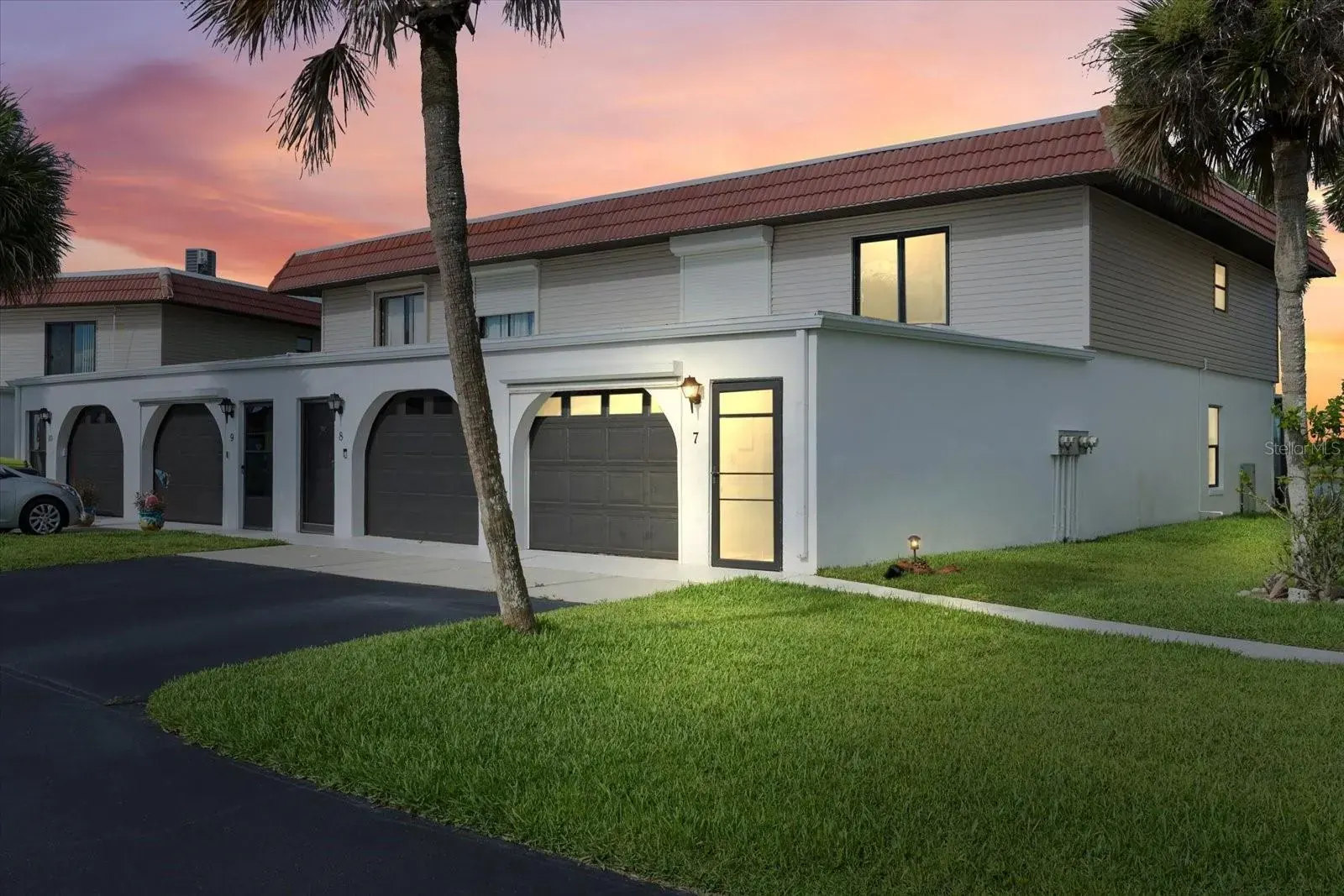
Ormond-by-the-Sea offers a mixed housing stock, which gives second-home buyers several ways to enter the market. Current market snapshots show single-family homes, condos, townhomes, and limited multi-family inventory. County planning documents also describe low- and medium-density single-family subdivisions, with medium- and high-density multi-family development along Ocean Shore Boulevard.
That variety is helpful because second-home goals are not all the same. You may want a lower-maintenance condo, a classic beach cottage, or a larger property with more space for extended stays. In Ormond-by-the-Sea, each of those paths can be available depending on your budget and preferences.
Condo Options for Simpler Ownership
Condos can make sense if you want a lock-and-leave setup for part-time use. They may offer a lower entry point and less exterior upkeep than a detached home. For buyers who plan to come and go seasonally, that can be a practical advantage.
Entry-level condos and smaller units have recently listed from the mid-$200,000s to the low $300,000s, with some around $240,000 to $250,000. That gives budget-conscious buyers a realistic starting point if beach-area ownership is the goal.
Cottages and Smaller Homes
If you want more privacy, storage, or outdoor space, a smaller single-family home may be a better fit. In this market, renovated beach cottages and modest detached homes often sit in the mid-tier range. These properties can appeal to buyers who want the retreat feel of a standalone home without stretching into the top end of the market.
This tier has recently run from about $500,000 to $650,000. This range may be worth watching if you want a property that feels personal and flexible for longer stays.
Higher-End Coastal Properties
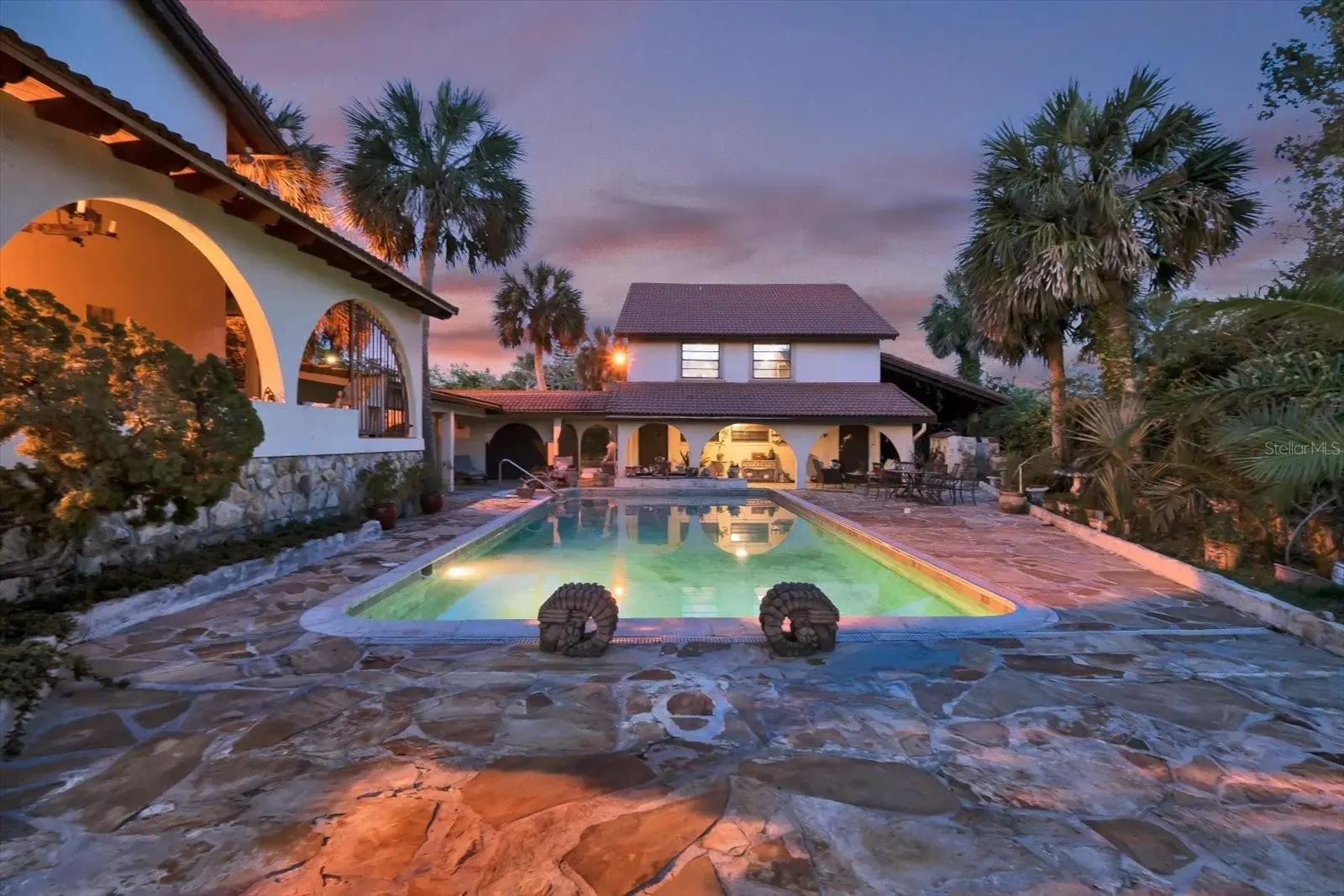
At the upper end, pricing can rise quickly for newer construction, larger lots, or stronger coastal exposure. Recent listings have run from the high $700,000s to more than $1 million, with some new builder homes above $1.1 million.
If you are shopping at this level, your due diligence should go beyond finishes and views. Insurance, flood exposure, and long-term carrying costs become even more important when the purchase is meant to be both a lifestyle property and a part-time residence.
What Pricing Looks Like Overall
Broadly, the Ormond-by-the-Sea market is centered in the mid-$300,000s to low $400,000s. Earlier this year, Realtor.com reported a median listing price of about $359,000 and an average of 84 days on market, and Redfin’s May 2026 snapshot showed a median sale price of $387,268, and the Census Bureau’s estimate for median owner-occupied housing value is $392,300.
Those figures are close enough to paint a clear picture. This is a coastal market with multiple entry points, but you still need to align your budget with your ownership style. A condo may lower your purchase price, while a detached home may better suit buyers who want privacy, flexibility, and room for guests.
Seasonal Ownership Comes With Real Responsibilities
A second home near the coast can be relaxing, but part-time ownership also requires planning. In Florida, humidity control is not optional. The Florida Department of Health says common molds can take hold when water stands for even 24 hours and recommends keeping indoor humidity below 60%.
That matters even more when the home sits empty for stretches of time. If you only visit seasonally, your house still needs consistent moisture management. Showers, cooking moisture, and indoor air conditions all need attention, even when no one is staying there full time.
Humidity and AC Settings
UF/IFAS recommends that if you run the AC while away, you keep it set no higher than 85 degrees Fahrenheit to help prevent indoor humidity from rising into an unsafe range. That is a useful benchmark for part-time owners. Saving money by setting the temperature too high can backfire if it creates moisture problems.
This is one reason many buyers look closely at the age and condition of the HVAC system before closing. In a coastal second home, air conditioning protects the house, not only you. It is part of basic property protection.
A Smart Departure Checklist
UF/IFAS recommends starting your seasonal-home prep about three weeks before departure. Its checklist includes several practical steps that can help protect a part-time property.
A few key tasks include:
- Clean and secure appliances
- Turn off water to the clothes washer
- Turn off water at the exterior meter when appropriate
- Leave refrigerator and freezer doors ajar
- Unplug unused appliances
- Set security systems
That kind of routine may sound simple, but it can reduce the odds of expensive surprises when you return.
Exterior Upkeep Matters Too
Seasonal ownership is not only about the inside of the home. UF/IFAS also recommends servicing the AC, inspecting the roof and gutters, and arranging reliable pool service if the property has a pool. Those are especially important for part-time owners who cannot respond quickly when something changes.
If you are buying from out of town, it helps to think through oversight before you close. A trusted local service team for HVAC, storm checks, mail, and general monitoring can make second-home ownership much easier.
Flood and Insurance Questions to Ask Early
In a coastal market, insurance and flood risk should be part of your first-round research, not an afterthought. Volusia County notes that coastal high-risk flood zones are labeled VE. The county also warns that its flood-map data are not survey-accurate, so address-specific verification is important before you buy.
That means you should evaluate each property individually. Two homes in the same general area may not carry the same flood considerations, insurance needs, or long-term ownership costs.
The Florida Office of Insurance Regulation says flood insurance is not typically included in a standard homeowners policy and usually must be purchased separately. It may be written as a stand-alone policy or as an endorsement, and private flood options exist. The office also notes that homeowners in high-risk flood areas with federally regulated or insured mortgage lenders are required to buy flood insurance.
For buyers comparing homes, this can change the true monthly cost more than expected. A property that looks affordable at first glance may carry very different insurance costs than another home just a short distance away.
If you have trouble finding property coverage, the Florida Market Assistance Plan can help consumers search for insurance coverage for a Florida home, rental, or vacation property. That can be useful when a coastal property needs several quotes or a broader search.
Condo Due Diligence Is Essential
If you are leaning toward a condo or condo-townhome, do not treat the association review as a formality. Florida’s DBPR says condominium and cooperative buildings three stories or higher must complete Structural Integrity Reserve Studies. It also says milestone inspections are required for some buildings depending on age and distance from the coast.
Just as important, inspection reports and reserve studies must be part of the association’s official records and provided to potential purchasers. The DBPR also says association budgets and accounting records are official records maintained for at least seven years. For second-home buyers, those records can tell you a lot about the property’s financial picture and future expenses.
When you review a condo, focus on the full carrying cost. That includes monthly dues, reserve funding, and the possibility of special assessments. In a market with a meaningful condo inventory, this step can be one of the most important parts of your buying process.
Utility and Service Details to Confirm
In Ormond-by-the-Sea, utility details are worth checking closely. The City of Ormond Beach notes that the North Peninsula Water District has a special utility connection policy and does not require annexation for connection to city utilities. For buyers, that is a reminder that service boundaries and utility responsibility should be confirmed before closing.
This may not be the most exciting part of shopping for a beach retreat, but it is important. Knowing how water service works, who provides what, and whether any special connection rules apply can prevent confusion later.
How to Buy a Better Second Home Here
A smart second-home purchase in Ormond-by-the-Sea usually comes down to balancing lifestyle with ownership realities. The beach setting, park access, and mixed inventory make the area appealing. At the same time, humidity control, flood review, insurance, condo documents, and utility questions all deserve careful attention.
If you get those details right, your retreat can feel a lot more relaxing from day one. The goal is a property that fits how you plan to use it, maintain it and enjoy it over time.
When you are ready to compare options in Ormond-by-the-Sea and nearby coastal markets, David Stanley can help you evaluate homes with a local, practical view of price, lifestyle, and due diligence.
FAQs
What makes Ormond-by-the-Sea appealing for a second home?
- Ormond-by-the-Sea offers a coastal peninsula setting, a high owner-occupancy rate, and access to places like North Peninsula State Park, which supports a quieter retreat-style lifestyle.
What price range should you expect in Ormond-by-the-Sea?
- The market overall sits around the mid-$300,000s to low $400,000s, with some condos in the mid-$200,000s, many detached homes higher, and upper-end coastal properties reaching into the high $700,000s and above.
What should condo buyers review in Ormond-by-the-Sea?
- Condo buyers should review association budgets, accounting records, reserve studies, inspection reports, and any signs of future special assessments or higher carrying costs.
What insurance question matters most for Ormond-by-the-Sea buyers?
- A key question is whether the property needs separate flood insurance, since standard homeowners insurance typically does not include flood coverage.
How should you prepare a seasonal home in coastal Florida?
- UF/IFAS recommends starting about three weeks before departure and handling items like water shutoff steps, appliance prep, AC settings, security systems, and exterior maintenance.
What utility detail should buyers confirm in Ormond-by-the-Sea?
- Buyers should confirm utility service boundaries and responsibility, especially because the North Peninsula Water District has a special connection policy noted by the City of Ormond Beach.
New articles by email
Get my new articles every Saturday
One short email a week with what I posted: Palm Coast news, local events, community guides and the market. No new articles, no email.

About the Author
David Stanley is a Broker Associate with CENTURY 21 Fine Homes & Estates Realty Exchange and has lived in North Florida for 23 years. A former Flagler Beach Ocean Rescue lifeguard and firefighter, he has closed over $60 million in Palm Coast-area sales.
More about David · Pick a time to talk