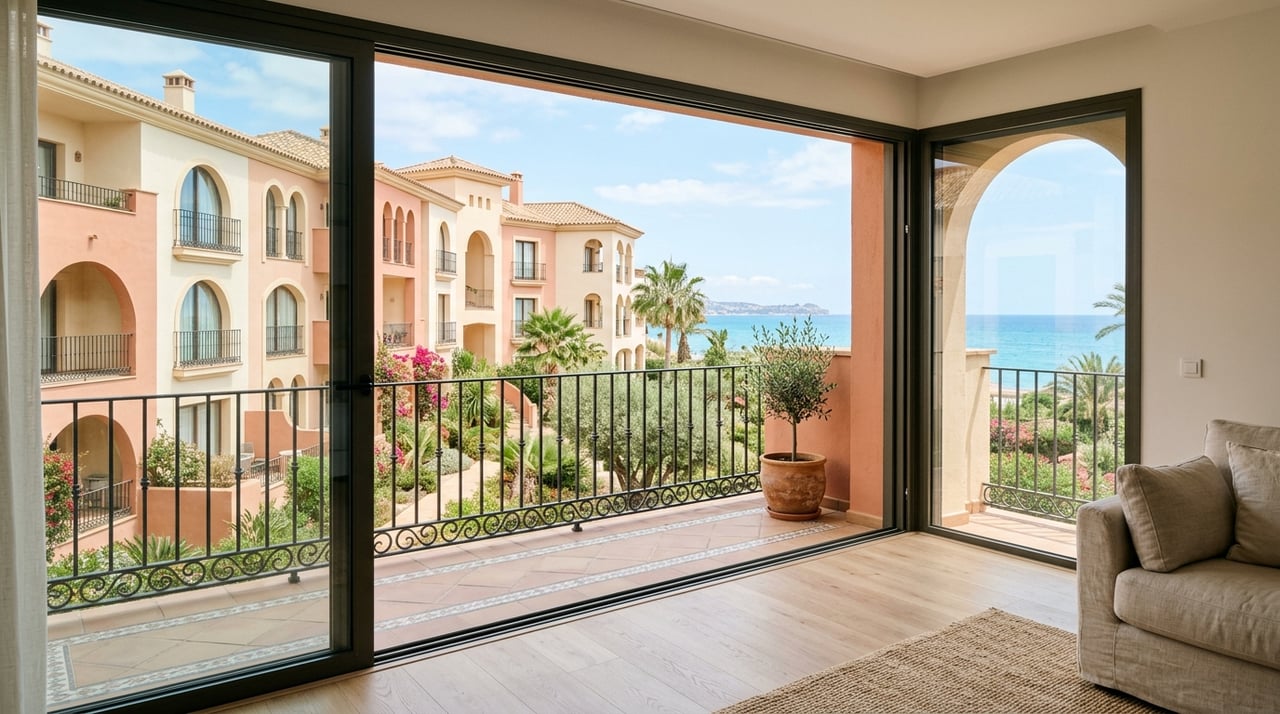
Wondering whether St. Augustine Beach makes more sense as your everyday home or your weekend escape? It is a fair question, especially in a coastal market where lifestyle, rules, and long-term costs can look very different depending on how you plan to use the property. If you are weighing full-time living against vacation ownership, this guide will help you compare the practical tradeoffs so you can make a confident move. Let’s dive in.
St. Augustine Beach at a Glance
St. Augustine Beach is a small city on Anastasia Island, about five miles southeast of the City of St. Augustine. Census figures cited by the city estimate a population of 6,810, with a 74.3% owner-occupied housing rate, a median owner-occupied home value of $634,400, and a median gross rent of $1,807.
Those numbers point to something important. This is not just a visitor destination. It has a meaningful base of permanent residents, while still offering the beach setting that attracts seasonal owners and second-home buyers.
The local age mix also gives some context to the lifestyle here. About 29.9% of residents are age 65 and older, while 15.0% are under 18, which suggests a market that may appeal to buyers looking for a more settled coastal environment.
Full-Time Living in St. Augustine Beach
If you are thinking about living here year-round, the biggest question is whether St. Augustine Beach feels like a real community, not just a beach stop. Based on the city’s service structure, the answer is yes.
Local services support daily life
The city provides core municipal services locally, including law enforcement, planning and zoning, code enforcement, building inspection, solid waste collection, road and right-of-way maintenance, drainage and stormwater management, and street lighting. That matters if you want the basics of day-to-day residential living handled at the local level.
For many buyers, this can make full-time ownership feel more practical. You are not just buying near the water. You are buying into a city that functions as a year-round place to live.
Homestead can be a major advantage
If you plan to make the property your primary permanent residence, homestead exemption may be available. In St. Johns County, that applies only if the home is your primary permanent residence on January 1.
This is one of the clearest differences between full-time and part-time ownership. If you qualify, Florida’s primary-residence tax treatment can be a meaningful benefit when you compare long-term carrying costs.
Getting around usually means driving
Public transit is available, but it is limited. Sunshine Bus operates a deviated fixed-route system in the St. Augustine urbanized area along with reservation-based demand-response service.
That means you may have a transit option for some trips, but most full-time residents will still rely heavily on a car. If you want a highly walkable, transit-centered daily routine, this is worth factoring into your decision.
Parking can affect quality of life
One practical issue for full-time residents is parking pressure near beach and commercial areas. The city has created resident-only parking systems on certain congested streets because visitor demand can spill into residential blocks, especially during holidays and special events.
That does not mean parking is always a problem. It does mean that some locations may feel very different in peak periods than they do on a quiet weekday, so street-by-street context matters when you are choosing where to buy.
Vacation or Seasonal Ownership in St. Augustine Beach
If your goal is a second home, St. Augustine Beach has obvious appeal. Beach access, recreational amenities, and the ability to lock in your own coastal getaway are strong reasons buyers look here.
Beach access is a real asset
St. Johns County identifies several beach access points in and around St. Augustine Beach, including A Street, Ocean Trace Road, Dondanville Road, Matanzas Avenue, and the Pier area. The St. Augustine Beach Pier area includes 211 parking spaces and amenities such as restrooms, showers, a splash park, picnic space, volleyball courts, a gift shop, and a fishing pier.
For many seasonal owners, this is the heart of the value. You can enjoy direct access to the shoreline and a beach-town setting without needing to plan every visit around a major resort schedule.
Holiday shuttles help during busy times
Peak weekends can bring traffic and tighter parking. To help with that, the county runs beach shuttles during peak season or holiday periods that serve the Pier area and St. Augustine Beach City Hall.
That can make short visits a little easier. If you expect to use the property mostly during popular travel windows, it is helpful to know there are at least some seasonal tools in place to manage demand.
Beach rules matter for part-time owners
If you will spend weekends and holidays here, you should know the local beach rules before you buy. The St. Augustine Beach rules include no alcohol or glass containers, no open fires or fireworks, pets must be leashed, parking is limited to designated areas, and beach driving is prohibited from 7:30 p.m. to 8:00 a.m. from May 1 through October 31.
These are not dealbreakers for most buyers. They are simply part of understanding how the beach is managed and what kind of use fits your lifestyle.
The Short-Term Rental Question
For many buyers, this is the deciding factor. If you want a vacation home that might also generate rental income, you need to separate what is appealing from what is actually allowed.
Zoning and licensing come first
In St. Augustine Beach, transient-rental rules apply only in Commercial or Medium-Density Residential land-use areas. The city states there is a limit of 100 transient rentals in Medium-Density Residential and no limit in Commercial areas.
That means not every property is a short-term rental candidate. Before you buy, you need to confirm whether the property’s land-use area and city rules align with your intended use.
Short-term rentals have ongoing requirements
If a property qualifies, the city requires more than just ownership. Short-term rental operators must have a current DBPR rental license, a Florida sales tax permit, city and county business tax receipts, and completed inspections with annual renewals.
This is where a lot of buyers need to slow down. A property that works well as a personal getaway may be very different from one that works well as a compliant short-term rental business.
Rental use changes tax and service considerations
The city states that transient rentals are businesses, not residences. Because of that, they are not eligible for homestead exemption and are subject to commercial trash service.
That distinction matters. If your plan includes short-term renting, you should evaluate the property as an operating business use, not as a primary residence with occasional guest stays.
Coastal Ownership Comes With Extra Due Diligence
Whether you plan to live here full-time or use the property seasonally, coastal ownership has added layers. In St. Augustine Beach, flood risk, hurricane planning, and building rules all deserve careful review.
Flood zones should be part of your search
St. Johns County Floodplain Management regulates development in special flood hazard areas and provides flood-risk and flood-insurance information. If you are buying near the ocean or in a low-lying area, flood-zone review should be part of your due diligence from the start.
This is not just a box to check at the end. It can affect insurance, future improvements, and your comfort level with the location.
Evacuation planning matters too
St. Johns County evacuation guidance places low-lying coastal areas in Zone A. For St. Augustine Beach, evacuation routes direct traffic north to SR-312, across the 312 Bridge, then to SR-207 and I-95 or points west.
If you are buying here, it is smart to understand that route ahead of time. Full-time residents and seasonal owners both benefit from knowing the plan before storm season arrives.
Beachfront improvements may face added rules
The city notes that beachfront projects and exterior lighting may need to meet habitat-conservation and turtle-protection standards. That includes shielding lights visible from the beach.
If you are drawn to a property because of its outdoor setting, be sure to understand what changes may require extra review. Coastal homes can come with more regulation than similar homes farther inland.
Which Option Fits You Best?
St. Augustine Beach can work well for both full-time living and vacation use, but the right fit depends on how you want to live. Your best choice usually comes down to whether you value residential stability, beach convenience, or rental flexibility most.
Full-time living may fit you if:
- You want a small-city coastal setting with local municipal services
- You may qualify for homestead exemption on a primary residence
- You are comfortable relying mostly on a car for daily mobility
- You want to be near the beach while staying close to St. Augustine
Vacation ownership may fit you if:
- You want easy access to the beach, pier, and public amenities
- You plan to use the property seasonally or on long weekends
- You understand the beach rules and peak-season parking dynamics
- You are prepared to verify rental legality before assuming income potential
In other words, St. Augustine Beach is not a one-size-fits-all market. It rewards buyers who match the property to the intended use from day one.
If you are weighing a move or second-home purchase along Florida’s coast, working with a local advisor can help you compare lifestyle goals with the real-world details that affect ownership. When you are ready to talk through your options, connect with David Stanley for practical guidance on finding the right coastal fit.
FAQs
Is St. Augustine Beach good for full-time living?
- St. Augustine Beach can work well for full-time living if you want a small coastal city with local municipal services, beach access, and close proximity to St. Augustine, while understanding that most daily travel will still be car-dependent.
Can you get a homestead exemption in St. Augustine Beach?
- Yes, you may qualify for homestead exemption if the property is your primary permanent residence on January 1, according to the St. Johns County Property Appraiser.
Can you use a St. Augustine Beach property as a short-term rental?
- Only some properties can be used as short-term rentals, because the city’s transient-rental rules apply only in Commercial or Medium-Density Residential land-use areas and require licensing, tax permits, inspections, and annual renewals.
Are there public beach access points in St. Augustine Beach?
- Yes, St. Johns County identifies multiple access points in and around St. Augustine Beach, including A Street, Ocean Trace Road, Dondanville Road, Matanzas Avenue, and the Pier area.
What should buyers know about flood risk in St. Augustine Beach?
- Buyers should review flood-zone information carefully, especially for homes near the ocean or in low-lying areas, because St. Johns County Floodplain Management regulates development in special flood hazard areas and provides flood-risk information.
Does parking get crowded in St. Augustine Beach?
- It can during holidays and special events, especially near beach and commercial areas, which is why the city uses resident-only parking systems on some congested streets and the county offers beach shuttles during peak periods.