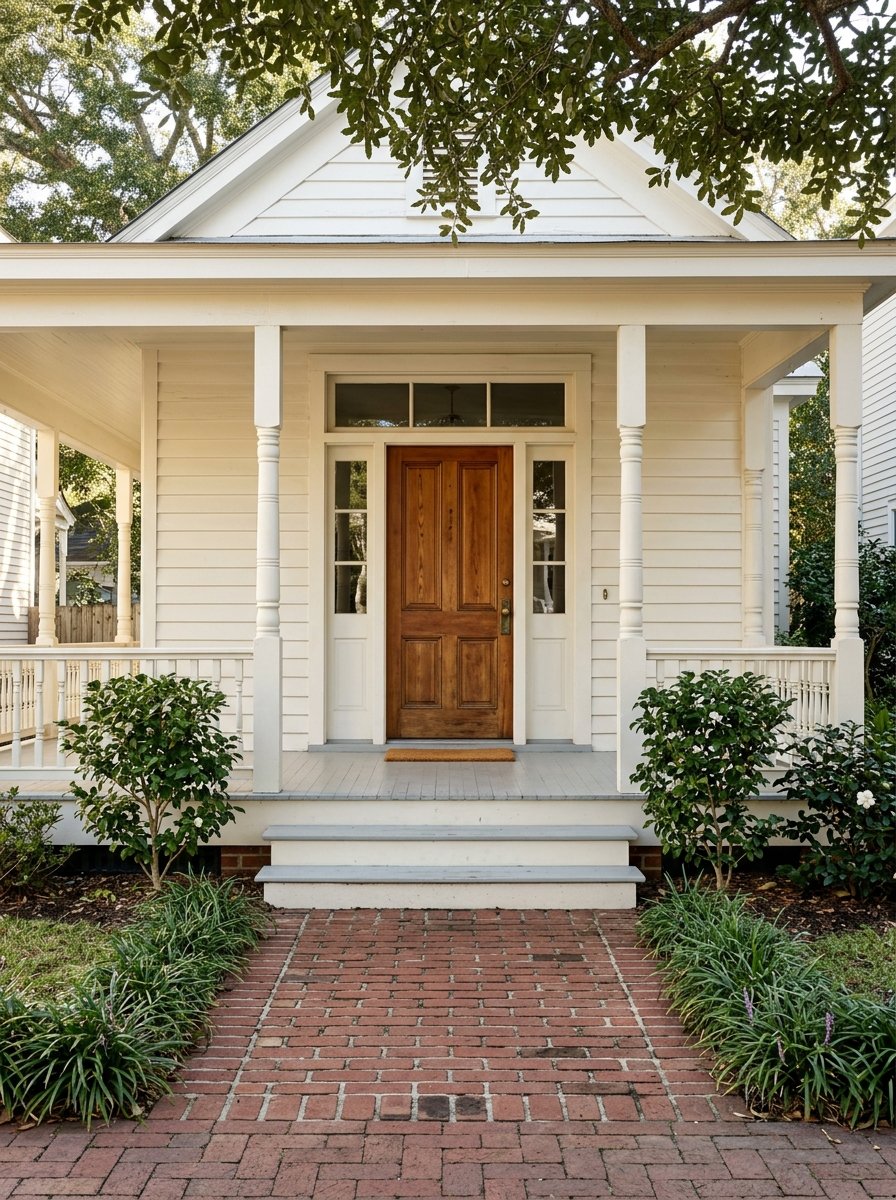
If you own a historic home in Palatka, you are not just selling square footage. You are selling character, craftsmanship, and a piece of local history. That can be a real advantage, but in a slower, price-sensitive market, buyers also want proof that the home has been cared for and priced wisely. In this guide, you’ll learn how to prepare, price, and market your historic property with fewer surprises and more confidence. Let’s dive in.
Understand Your Historic Home
Selling a historic home in Palatka starts with knowing exactly what you have. Palatka’s North Historic District has a current period of significance of 1845 to 1931, and the South Historic District has a current period of significance of 1852 to 1930. The South District includes The Hammock and features antebellum and early 20th-century homes.
Palatka’s 2023 historic survey also shows that local historic homes span many styles. You may own a Frame Vernacular, Bungalow/Craftsman, Colonial Revival, Folk Victorian, Queen Anne, Mediterranean Revival, Neo-Classical Revival, or Romanesque Revival home. That style matters because buyers often respond to original details and architectural identity, not just the age of the property.
It also helps to understand what “historic” means in practical terms. A National Register listing does not automatically restrict your right to use or sell the property, and it does not require private owners to open their homes to the public. In Palatka, local ordinances are what create exterior review requirements.
Know Palatka’s Review Rules
Before you list, make sure you understand the city’s historic review process. Palatka has a Historic Preservation Board and a certificate of appropriateness, or COA, process for exterior work. That matters because buyers may ask what was approved, what was repaired, and what rules may apply after closing.
In Palatka’s historic district, all exterior work requires an approved COA. That includes repairs, window replacement, additions, demolition, relocation, new construction, and even site work such as sidewalks and driveways. Some like-for-like maintenance may be approved administratively, but the city states that COA approval is required before a building permit is issued.
This is one of the biggest areas where smart sellers stand out. When you can clearly show what work was approved and what records support it, you reduce buyer uncertainty. That often makes your home easier to evaluate and easier to trust.
Build a Strong Documentation Packet
One of the best things you can do before listing is organize your paperwork. Historic-home buyers tend to look closely at maintenance history, updates, and preservation choices. A clean documentation packet helps your home feel more like a cared-for asset and less like an unknown project.
Try to gather:
- Building permits
- Approved COAs
- Contractor invoices
- Roof records
- Electrical, plumbing, and mechanical system records
- Termite treatment history
- Prior inspections
- Surveys
- Old photos
- Documentation of approved historic work
Palatka’s planning department notes that many building permits run through the county first. The city also uses checklists and document review to help avoid delays. If you are missing paperwork, it is worth trying to track it down before your home hits the market.
Address Key Pre-Listing Concerns
Older homes naturally invite more buyer questions. That does not mean your home is harder to sell. It means your preparation needs to be more focused.
Palatka’s planning department identifies roofs, electrical, plumbing, mechanical systems, porches, driveways, foundation remediation, and demolition as work that commonly requires permits. For a historic home, those same systems are smart places to review before listing.
Moisture intrusion and visible wear also deserve attention. Buyers often notice peeling paint, soft wood, stained ceilings, or uneven porch elements right away. Even when issues are manageable, visible deferred maintenance can make buyers assume larger hidden problems.
For many historic wood-frame homes, a wood-destroying organism inspection is especially important. Florida has multiple termite types, and the Florida Department of Agriculture and Consumer Services notes that treatment depends on the species. A current inspection or treatment history can help answer concerns early.
Tree maintenance matters too. Palatka’s historic resources survey warns that falling tree limbs can cause significant damage to homes, especially historic buildings. If your lot has mature trees, trimming limbs and improving canopy clearance may protect the property and reassure buyers.
Be Careful With Repairs
Not every pre-sale upgrade helps, especially in a historic home. In many cases, buyers value preserved original materials more than quick cosmetic replacements. The National Park Service rehabilitation guidance favors repairing historic materials and features when possible rather than replacing them.
That does not mean you should leave obvious problems untouched. It means you should think carefully before swapping out original windows, trim, doors, flooring, or porch details with generic modern materials. Preservation-minded buyers often appreciate evidence of thoughtful repair.
If deterioration is too extensive for repair, replacement may be appropriate. Still, your goal should be to preserve character where you can and document the reasoning behind any major changes. That story can strengthen buyer confidence when it is backed by records.
Check Lead Paint and Tax Benefit Issues
If your home was built before 1978, lead-based paint rules may apply. Federal law requires sellers of most pre-1978 housing to disclose known lead-based paint and lead-based paint hazards and provide the required EPA pamphlet. If you plan renovations before listing and that work will disturb lead paint, certified firms and lead-safe work practices are required.
You may also want to review whether the property could qualify for historic rehabilitation incentives before starting major work. Florida law authorizes local governments to offer an ad valorem tax exemption for approved rehabilitation of qualified historic property. There is also a federal rehabilitation credit equal to 20 percent of qualified expenses for certified historic structures.
These programs depend on designation, certification, and local adoption. In other words, they are worth checking before making major pre-sale improvement decisions. A rushed project could affect both value and eligibility.
Verify Flood Risk Before Marketing
Flood risk can shape buyer interest, insurance costs, and financing questions, especially near the St. Johns River and related waterways. Putnam County’s mitigation plan identifies flooding as a major concern. It states that about one-third of the land and 20 percent of the population are in the 100-year floodplain, including parts of Palatka and areas along the river and its tributaries.
That does not mean your property has a problem. It means you should verify the address-specific flood zone before marketing the home, especially if it is river-adjacent or in a low-lying area. Clear information helps buyers evaluate the property without guessing.
Price for Today’s Market
Even a beautiful historic home needs a disciplined pricing strategy. Redfin data for the last three months describes Palatka as not very competitive. The median sale price was about $210,000, homes sold after about 130 days on market, and the average home sold about 3 percent below list. Multiple offers were also reported as rare.
That market context matters. If you overprice a historic home based on charm alone, buyers may treat it as a project and wait for a price cut. In a slower market, condition, documentation, and pricing discipline work together.
The smartest approach is to price against condition-adjusted comparable sales, not just age or square footage. A restored porch, documented systems, approved exterior work, and preserved original features can support value better than a vague claim that the home is “special.” Buyers need specifics.
Market the Home as a Preserved Asset
Historic homes deserve better marketing than a basic age reference in the listing description. In Palatka, your marketing should help buyers understand what makes the home significant, what features remain intact, and what updates have already been handled.
Focus on details such as:
- Architectural style
- Historic district location
- Preserved original features
- Permitted or approved updates
- Before-and-after improvements
- Maintenance history
- Important system updates
This kind of messaging works because it reduces uncertainty. Instead of asking buyers to imagine the home’s value, you show them what has been preserved, what has been updated, and what records support that story.
Professional presentation also matters. Strong photography, thoughtful visual storytelling, and clear property notes can help a historic home stand out online. When your marketing combines character with documentation, buyers are more likely to see a well-kept home instead of an open-ended renovation challenge.
Create a Smoother Selling Strategy
Selling a historic home in Palatka the smart way comes down to preparation. You want to know the home’s historic context, understand local review rules, organize records, address key maintenance concerns, verify flood information, and price with the current market in mind.
When you do those things well, you make it easier for buyers to say yes. You also protect your leverage during negotiations because your home is supported by facts, not just curb appeal.
If you are preparing to sell a historic property in Palatka and want a strategy built around pricing, presentation, and buyer confidence, connect with David Stanley for expert guidance.
FAQs
What makes a home historic in Palatka?
- In Palatka, a historic home may be located in the North or South Historic District and may fall within the city’s documented historic resources survey, which identifies periods of significance, styles, and contributing historic properties.
What is a COA for a historic home in Palatka?
- A certificate of appropriateness, or COA, is city approval required for exterior work in Palatka’s historic district, including many repairs, replacements, additions, demolition, relocation, and site changes.
Do Palatka historic homes require special permits?
- Historic homes in Palatka may require both standard permits and historic review approvals, and the city states that COA approval is required before a building permit is issued for covered exterior work.
Should I repair or replace original features before selling a historic home?
- For many historic homes, repair is preferred when possible because preserved original materials and features can be more appealing to buyers than generic replacements.
How should I price a historic home in Palatka?
- A historic home in Palatka should be priced using condition-adjusted comparable sales and current market conditions, with careful attention to documentation, upkeep, and approved updates rather than charm alone.
Do I need flood information when selling a home in Palatka?
- If the property is near the St. Johns River or in a low-lying area, verifying the address-specific flood zone is a smart step because flooding is a known concern in parts of Palatka and Putnam County.