Is your Ormond-by-the-Sea waterfront home worth more than the house down the street? It can be, but only if you price what buyers actually value along this stretch of the Atlantic. If you miss key factors like elevation, view quality, or dock permits, you risk leaving money on the table or sitting on the market too long. In this guide, you’ll learn the value drivers, cost risks, and a clear pricing process tailored to Ormond-by-the-Sea so you can list with confidence and negotiate from strength. Let’s dive in.
Why waterfront pricing is different
Waterfront isn’t a single category. Ocean, river, and canal properties carry different premiums, rules, and risks. Buyers compare not only the view, but also insurance costs, elevation, access, and long-term maintenance.
In coastal Volusia County, two homes with similar square footage can vary widely in value based on shoreline type and documentation. A strong pricing plan treats the water as the main feature and verifies every factor that affects livability, insurance, and future upkeep.
What drives value in Ormond-by-the-Sea
Waterfront type and access
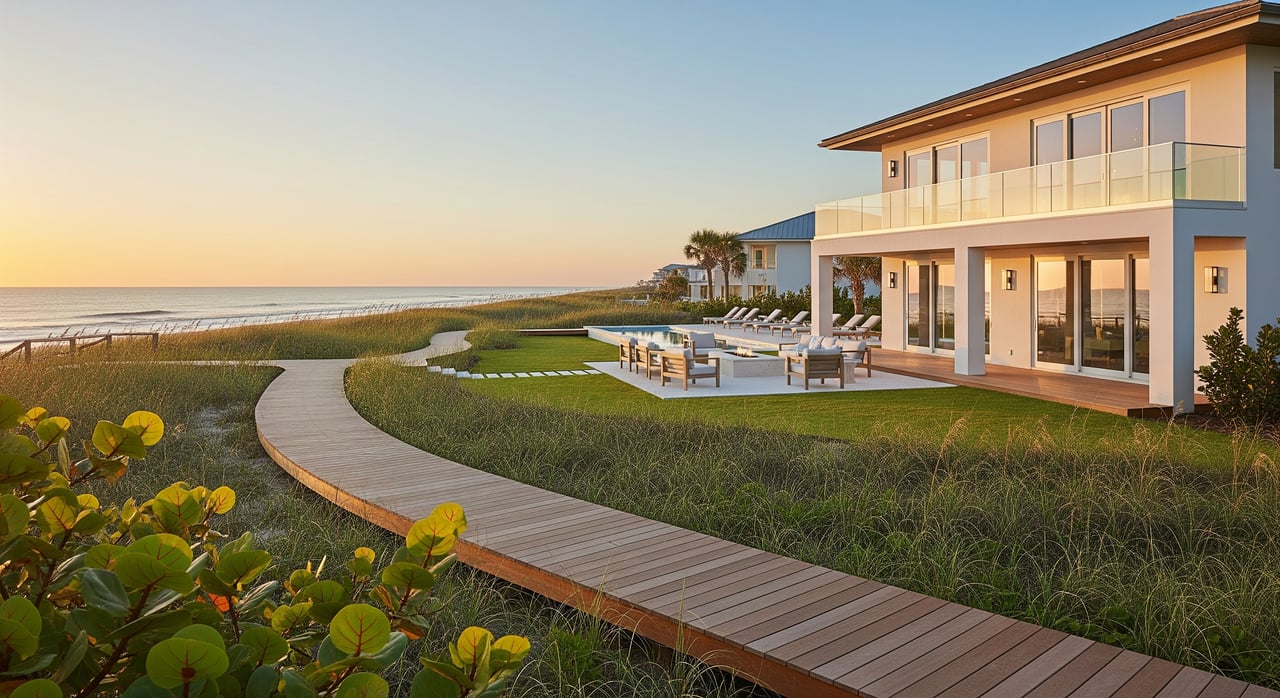
Not all water frontage is equal. Oceanfront often earns a premium for view and beach access, while canal or riverfront can command higher value for boating access and private docks. Direct, private access usually outperforms public or obstructed access.
If your property has deep-water access or a permitted dock in good condition, you can justify stronger pricing. When access is limited or uncertain, expect buyers to discount.
View quality and frontage
Buyers pay for uninterrupted views. Full Atlantic panoramas or wide river vistas typically beat partial or lateral views.
Frontage length matters too. Wider usable shoreline and longer linear footage can support a higher price because it boosts privacy, views, and access. Many local CMAs use a per-linear-foot adjustment derived from recent comparable sales.
Elevation and flood risk
Elevation is a big lever on both value and buyer confidence. Properties with finished-floor elevations above the Base Flood Elevation, and with a current Elevation Certificate, often enjoy better insurance terms and smoother underwriting.
Knowing your FEMA flood zone and BFE helps set expectations for financing and premiums. Higher elevation and favorable flood zones can justify a price bump compared to lower, higher-risk lots nearby.
Shoreline protection and docks
Protective features influence marketability. A well-maintained seawall, healthy dune system, or documented beach management history can support value and reduce perceived risk.
Docks and boathouses add utility and lifestyle appeal, but only when they are permitted and in good condition. If permitting is unclear or repairs are due, buyers will negotiate for credits or price reductions.
Build quality and utilities
Coastal construction features matter. Wind-rated windows and doors, corrosion-resistant materials, and a documented maintenance history can set your home apart.
Utility setup is also important. Sewer access versus septic and reliable potable water can affect financing and long-term costs, which influence a buyer’s willingness to pay.
Costs and risks buyers price in
Savvy buyers look past the view and factor in the carrying costs. Flood and windstorm insurance, potential seawall or dock repairs, and routine coastal maintenance all show up in their math.
They also weigh regulatory limits on improvements, coastal setbacks, and dune protections. Past storm damage or erosion concerns can depress value unless you provide clear documentation of repairs and mitigation.
A clear pricing process that works locally
Gather the right documents
Before you set a list price, assemble a complete file. Start with:
- Recent survey showing waterfront boundaries and linear frontage.
- Any Elevation Certificate and FEMA flood zone details.
- Seawall and dock permits, maintenance records, and repair receipts.
- Insurance history and any recent flood or wind quotes.
- Recent inspection reports for roof, structure, dock, and seawall.
- Notes on local beach nourishment or erosion management that may affect your shoreline.
A strong documentation package builds trust and helps justify your price.
Select smart comparables
Pick comps that match your waterfront type first, then align on frontage, elevation, and view quality. If identical comps are scarce, widen the search area and apply careful adjustments for access, view, and risk.
Prefer recent closed sales, then support with active and pending listings to show current market direction. When in doubt, prioritize comps with similar shoreline features and permitting status.
Apply waterfront adjustments
Use methods that reflect how buyers evaluate coastal homes:
- Per-linear-foot adjustment: Derive a local per-foot value from close comps and apply it to frontage differences.
- Premium-over-inland approach: Compare similar non-waterfront sales to estimate the specific waterfront premium when water comps are limited.
- Cost-to-cure deduction: Subtract estimated costs for near-term repairs, such as seawall sections, piles, or dock surfaces.
- Insurance cost adjustment: Translate higher annual premiums into a price change that keeps monthly carrying costs competitive.
Document each adjustment so buyers and appraisers can follow your logic.
Set a strategy that attracts offers
Coastal buyers are sensitive to total cost of ownership. Overpricing by even a small margin can stretch days on market when insurance and maintenance are top of mind.
Back your list price with excellent visuals that highlight the view, frontage, and access. In Florida, many second-home and relocation buyers are active in fall and winter. Time your launch and open-house plan to match that demand.
Insurance, lending, and permitting realities
Flood insurance through NFIP is common for coastal homes, and private flood policies may be available. Premiums depend on your flood zone, elevation, and claim history. Many lenders will require flood coverage in AE or VE zones, and they scrutinize Elevation Certificates.
Windstorm insurance and separate wind deductibles are typical for coastal policies. Be aware that insurers can change terms or decline renewals. Staying proactive with documentation and maintenance can help keep your buyer pool strong.
Work on docks, seawalls, or anything seaward of the mean high water line often requires permits from county and state agencies, and sometimes federal permits. Unpermitted work is a red flag for many buyers and can derail financing.
Timing and presentation tips
- Prep early: Complete inspections, gather permits, and obtain or update an Elevation Certificate before photos.
- Lead with lifestyle: Use drone and waterfront-angle photography to show view corridors, frontage length, and water access.
- Be transparent: Share insurance figures, maintenance history, and any recent shoreline work to build confidence.
- Launch strategically: Align listing timing with seasonal demand and plan targeted marketing to reach out-of-area lifestyle buyers.
What to disclose and how it helps you
Full, timely disclosure can strengthen your position. Provide the standard seller disclosure along with documentation on past flooding, storm repairs, insurance claims, and any unpermitted work.
Include permits and receipts for seawall or dock projects, plus recent insurance renewals or quotes. When buyers see a complete file, they move faster and negotiate with more trust, which supports your price.
Local resources to check
When you or your agent assemble your pricing file, verify details with local authorities and records:
- Volusia County Property Appraiser for parcel data and assessments.
- Volusia County Building and Permitting for permit history and code questions.
- FEMA Flood Map Service Center for FIRM maps, flood zones, and BFE.
- NFIP and Elevation Certificate guidance for insurance pricing basics.
- NOAA and Florida coastal programs for sea-level, storm surge, and shoreline trends.
- Florida Department of Environmental Protection and U.S. Army Corps of Engineers for shoreline and dock permits.
- Florida Office of Insurance Regulation and Citizens Property Insurance for state insurance context and consumer guidance.
These sources help you validate risk, confirm permits, and support your price with facts that matter to buyers and lenders.
Ready to price with confidence?
When you combine hyperlocal comps with waterfront-specific adjustments and clear documentation, you put your Ormond-by-the-Sea home in the best position to sell. If you want a pricing plan that factors in frontage, elevation, insurance, and permitting, along with premium marketing and targeted outreach, we can help.
Reach out to David Stanley for a consultative CMA and a custom marketing plan that showcases your waterfront the right way.
FAQs
How should I price an Ormond-by-the-Sea oceanfront home?
- Start with oceanfront comps, then adjust for view quality, frontage length, elevation relative to BFE, and any dune or shoreline protection, plus insurance costs and recent repairs.
How important is an Elevation Certificate for pricing?
- Very important. An Elevation Certificate can change flood premium estimates and lender requirements, which affects buyer purchasing power and your achievable price.
What documents do buyers expect for a waterfront listing?
- A recent survey with frontage, any Elevation Certificate, dock and seawall permits with maintenance records, inspection reports, plus recent flood and wind insurance details.
Should I fix a dock or seawall before listing?
- If the repairs are minor and permitted, completing them can reduce buyer uncertainty and support price. Large projects can be priced as credits if you provide estimates and permit status.
How do insurance costs affect marketability in Volusia County?
- Higher flood or wind premiums reduce the buyer pool and may require pricing adjustments to keep total monthly costs competitive with similar waterfront options.
Are there special rules for rebuilding after storm damage?
- Yes. Coastal work often needs county and state permits, and sometimes federal approvals for structures near or seaward of the mean high water line. Timelines and feasibility can influence value.
What if there are few recent waterfront comps nearby?
- Expand the search thoughtfully and use documented adjustments. Pair the best available waterfront comps with a premium-over-inland analysis and per-linear-foot frontage estimates, then support with clear rationale.