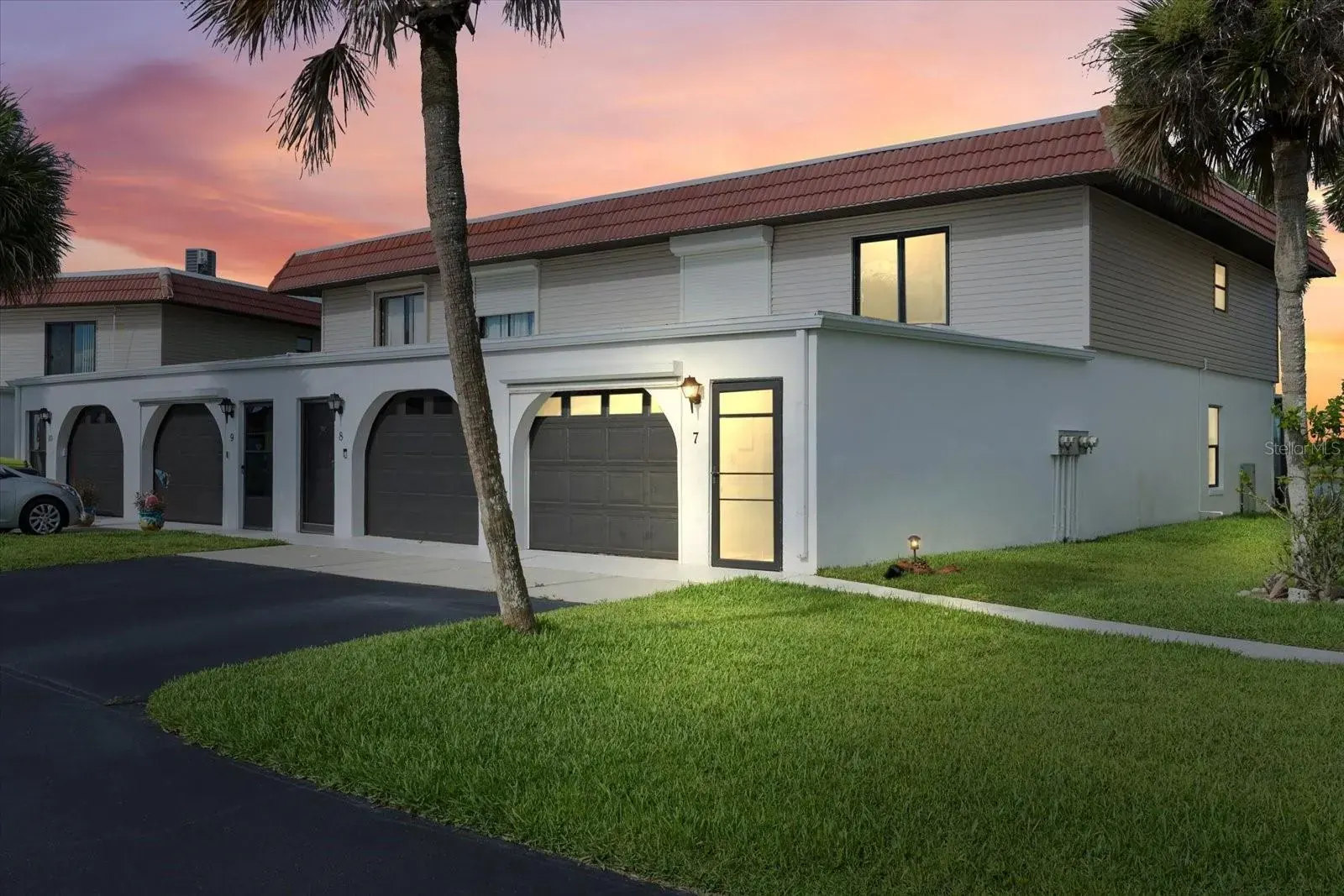
Choosing between downtown St. Augustine and a newer community is really a choice about how you want your days to feel. Do you picture walking to restaurants, live music, and historic streets, or do you want a newer home, more space, and neighborhood amenities close by?
Downtown St. Augustine at a glance
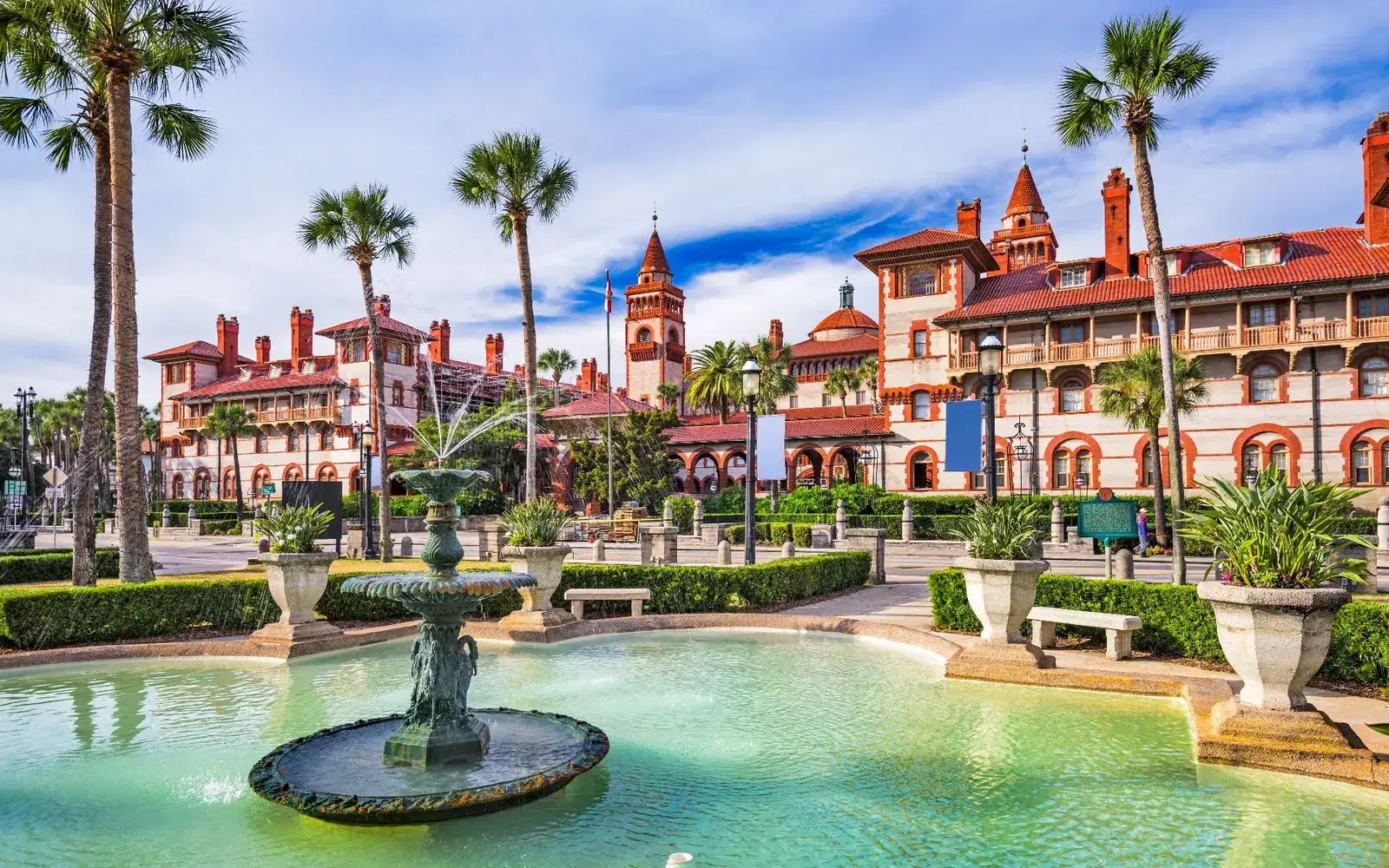
Living near downtown St. Augustine means living in the city’s historic core. This is the oldest part of the city, with many buildings dating back to the 1700s and more than 20 sites on the National Register. It is not a typical subdivision setting, and the housing inventory tends to be older, distinctive, and shaped by preservation rules.
That historic setting creates a very different daily experience from newer development farther out. Downtown is active, public-facing, and full of places people visit for dining, shopping, museums, churches, and events. If you enjoy being in the middle of the action, that can be a major plus.
Newer communities at a glance
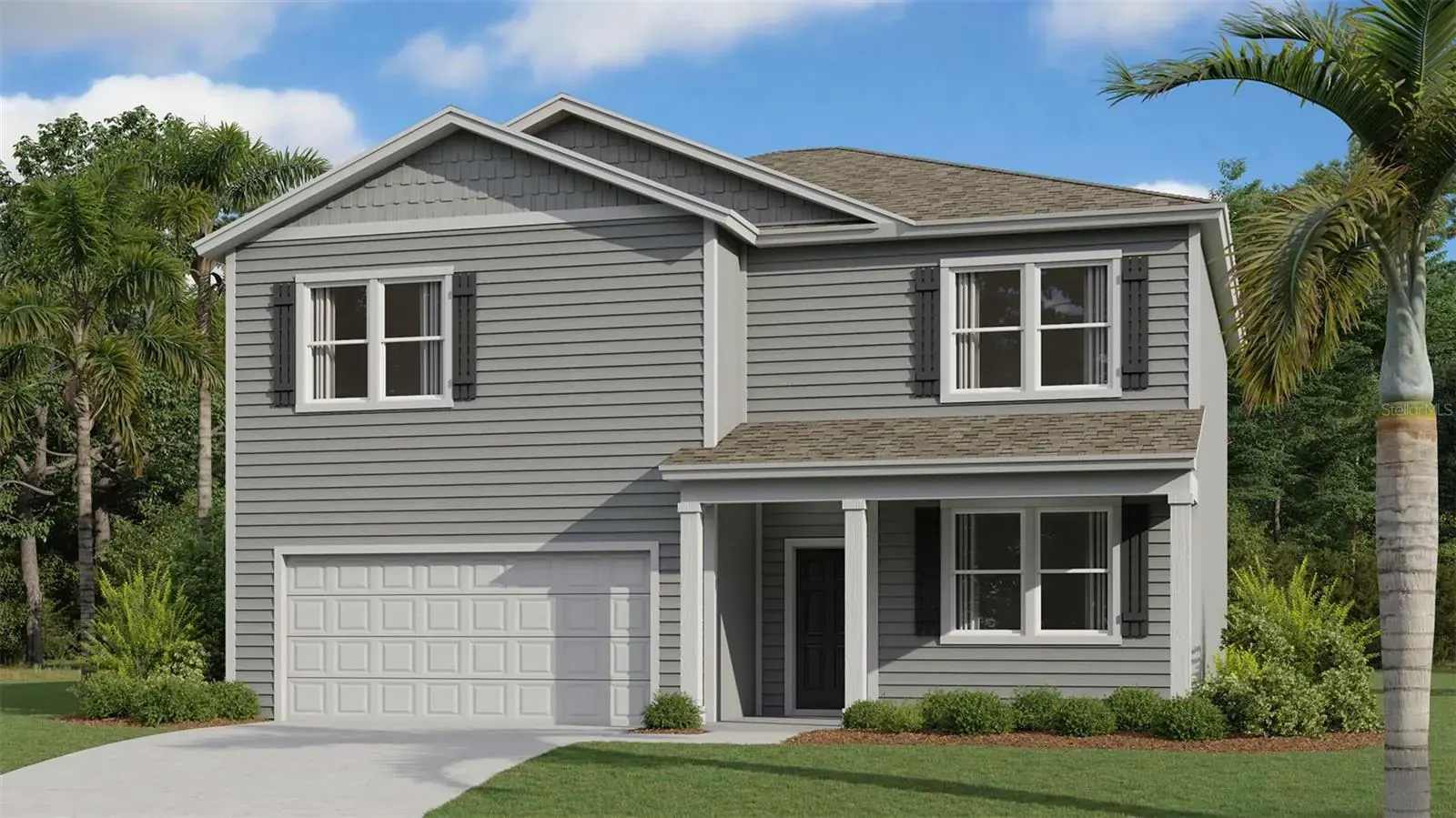
Newer communities in St. Johns County offer a different kind of appeal. Communities like SilverLeaf, Shearwater, Beacon Lake, and TrailMark are built around modern floor plans, newer systems, and amenity-rich neighborhood living. They are generally more residential in feel and less centered on tourism and event traffic.
These communities also offer a wide range of housing options. In the examples reviewed, homes range from about 1,200 to 4,400 square feet, with published pricing commonly starting around the $300,000s and reaching into the upper $700,000s or upper $900,000s depending on the builder and community. That variety can be helpful if you want more choices in layout, size, and home style.
Walkability versus car-based living
Downtown favors walking
One of downtown’s biggest lifestyle advantages is walkability. The area is widely experienced on foot, and that means you may be closer to restaurants, shops, museums, live music, and seasonal events. If you want a home base where you can step outside and be part of the city, downtown stands out.
That said, walkability does not mean car-free living. Downtown still has a strong car-management system because the street network is older, narrower, and busier during events. You may walk more often, but parking and traffic still matter.
Newer communities favor driving
Newer communities tend to offer a more car-dependent rhythm. Many are located along the County Road 210 corridor, State Road 16, the World Golf Area, or near I-95, and are typically about 15 to 24 miles from historic downtown. That means your routine will likely involve more driving for work, dining, and outings.
Inside the community, though, convenience often looks different. Instead of walk-to-everything city access, you may have easier parking, newer road layouts, internal trails, and neighborhood amenities designed for daily use. For many buyers, that tradeoff feels simpler and more predictable.
Parking and day-to-day convenience
Downtown parking takes planning
Parking is one of the clearest differences between these two options. The city operates a 1,200-space Historic Downtown Parking Facility with peak and off-peak entry rates, a resident discount for St. Johns County residents, and monthly pass options. There are also year-round park-and-ride shuttles, a free STAR Circulator bus, and neighborhood residential parking permits.
All of that support is helpful, but it also tells you something important. Downtown living comes with more parking management because demand is higher and events bring more visitors. If easy driveway parking is high on your list, this is a factor worth weighing carefully.
Newer communities simplify parking
In newer communities, parking is usually more straightforward. These neighborhoods are designed around larger parcels, residential streets, and regular car access. In practical terms, daily comings and goings can feel easier, especially if your household has multiple vehicles.
This does not automatically make newer communities better. It simply means the convenience is different. Downtown offers access and activity, while newer neighborhoods often offer ease and space.
Housing style and home character
Downtown homes offer history
Homes near downtown often appeal to buyers who value charm and character. The setting is highly distinctive, and that can make the area feel special in a way that newer construction cannot always replicate. If original details, older architecture, and an in-town feel matter to you, downtown may be the stronger fit.
There is also an important practical side to that charm. The city’s preservation framework includes a Historic Architectural Review Board, demolition review, and signage standards. In short, exterior changes and renovations can involve more oversight than they would in a newer neighborhood.
Newer homes offer standardization
Newer communities often appeal to buyers who want a more predictable ownership experience. Builders in communities like SilverLeaf and Shearwater offer many floor plans, and the overall process can feel more standardized. If you prefer modern layouts and newer systems, this may be where you feel most comfortable.
That predictability can be especially appealing if you are relocating or want a home that aligns closely with current design preferences. You may also find it easier to compare options when communities publish floor plans, features, and amenity packages in a consistent format.
Amenities and neighborhood feel
Downtown centers on city life
Downtown amenities are woven into the city itself. Instead of private neighborhood features, you get access to public-facing experiences like restaurants, shops, museums, historic sites, concerts, and seasonal celebrations such as Nights of Lights. The lifestyle is less about staying inside a planned neighborhood and more about stepping into the city around you.
For some buyers, that energy is exactly the point. For others, the steady flow of visitors and activity may feel too busy for everyday living. This is where personal preference matters most.
Newer communities center on built-in amenities
In newer communities, amenities are a core part of the value. SilverLeaf highlights shopping complexes, a town center, dog parks, splash pads, pools, tennis and pickleball courts, and community events. Shearwater includes a fitness lodge, resort-style lagoon, lazy river, water-slide tower, trails, and a full-time lifestyle director.
Beacon Lake centers on a 43-acre paddle-friendly lake and nature preserve, while TrailMark emphasizes a resort-style pool, fitness center, kayak access, trails, dog park, and community events. If you want recreation and gathering spaces built into your neighborhood, these communities tend to deliver that more directly than downtown.
Price patterns to keep in mind
Pricing depends on the exact property, but ZIP-level market data can help frame the discussion. Median listing prices were reported around $409,000 in 32084, about $475,000 in 32095, and about $493,618 in 32092, while St. Johns County overall was around $535,000. These are broad snapshots, not downtown-only comparisons, but they help show how pricing can vary by area.
The bigger point is that downtown pricing can be very micro-market specific because inventory is older, more limited, and more unique. Newer-growth areas often feel easier to compare because homes and neighborhoods are more standardized. If you are trying to balance budget with lifestyle, it helps to look beyond price alone and think about what your money buys in each setting.
Commute and mobility differences
Commute patterns also add context. Census QuickFacts show a mean travel time to work of 20.1 minutes in St. Augustine city compared with 26.9 minutes in St. Johns County overall. That does not predict your exact drive, but it does support the idea that city living and county living often come with different mobility patterns.
If being closer to the urban core matters to you, downtown may line up better with that goal. If you are comfortable with a more suburban routine and want the benefits of newer development, the outlying communities may make more sense. The right answer depends on where you spend your time and how much driving you want built into your week.
Which lifestyle fits you best?
If you are deciding between these options, it helps to focus less on which one is “better” and more on which one matches your routine. Downtown St. Augustine usually fits buyers who want historic character, walkability, dining, events, and a central in-town atmosphere. The main tradeoffs are parking friction, visitor traffic, and preservation-related limits on changes.
Newer communities usually fit buyers who want newer construction, more square footage choices, and amenity-centered neighborhood living. The main tradeoffs are a more car-dependent lifestyle, longer distance from historic downtown, and a more suburban day-to-day feel. Neither path is one-size-fits-all, which is why a side-by-side comparison matters.
If you are exploring St. Augustine and want help narrowing down the right fit for your lifestyle, budget, and long-term goals, David Stanley can help you compare neighborhoods, new construction options, and in-town opportunities with clear local guidance.
FAQs
Is downtown St. Augustine more walkable than newer communities?
- Yes. Downtown is the city’s most walkable, event-centered area, while newer communities are typically more car-dependent even if they include internal trails and amenities.
Are newer communities in St. Johns County far from downtown St. Augustine?
- Many of the newer-growth communities reviewed are about 15 to 24 miles from historic downtown, so trips into the city usually involve a drive.
What are the biggest tradeoffs of living near downtown St. Augustine?
- The main tradeoffs are parking friction, visitor traffic, and preservation rules that can affect exterior changes and renovations.
What do newer communities in St. Johns County usually offer?
- They often offer modern floor plans, newer systems, a range of home sizes, and built-in amenities such as pools, trails, fitness spaces, dog parks, and community event areas.
Is parking easier in newer communities than downtown St. Augustine?
- In most cases, yes. Newer communities are designed around residential road access and simpler day-to-day car use, while downtown relies more on garages, permits, shuttles, and event parking management.
How should you choose between downtown St. Augustine and a newer community?
- Start with your daily routine. If you value walkability, historic character, and city activity, downtown may fit better. If you want newer construction, more space, and amenity-focused neighborhood living, a newer community may be the better match.
New articles by email
Get my new articles every Saturday
One short email a week with what I posted: Palm Coast news, local events, community guides and the market. No new articles, no email.

About the Author
David Stanley is a Broker Associate with CENTURY 21 Fine Homes & Estates Realty Exchange and has lived in North Florida for 23 years. A former Flagler Beach Ocean Rescue lifeguard and firefighter, he has closed over $60 million in Palm Coast-area sales.
More about David · Pick a time to talk