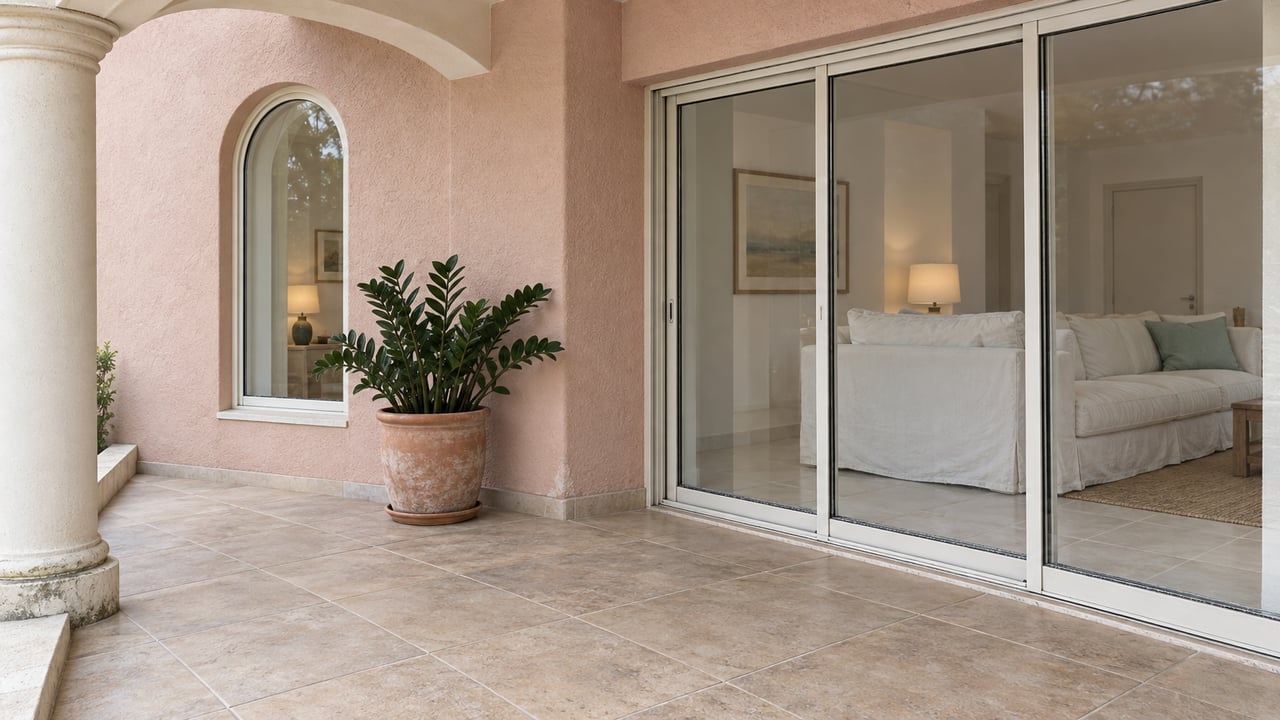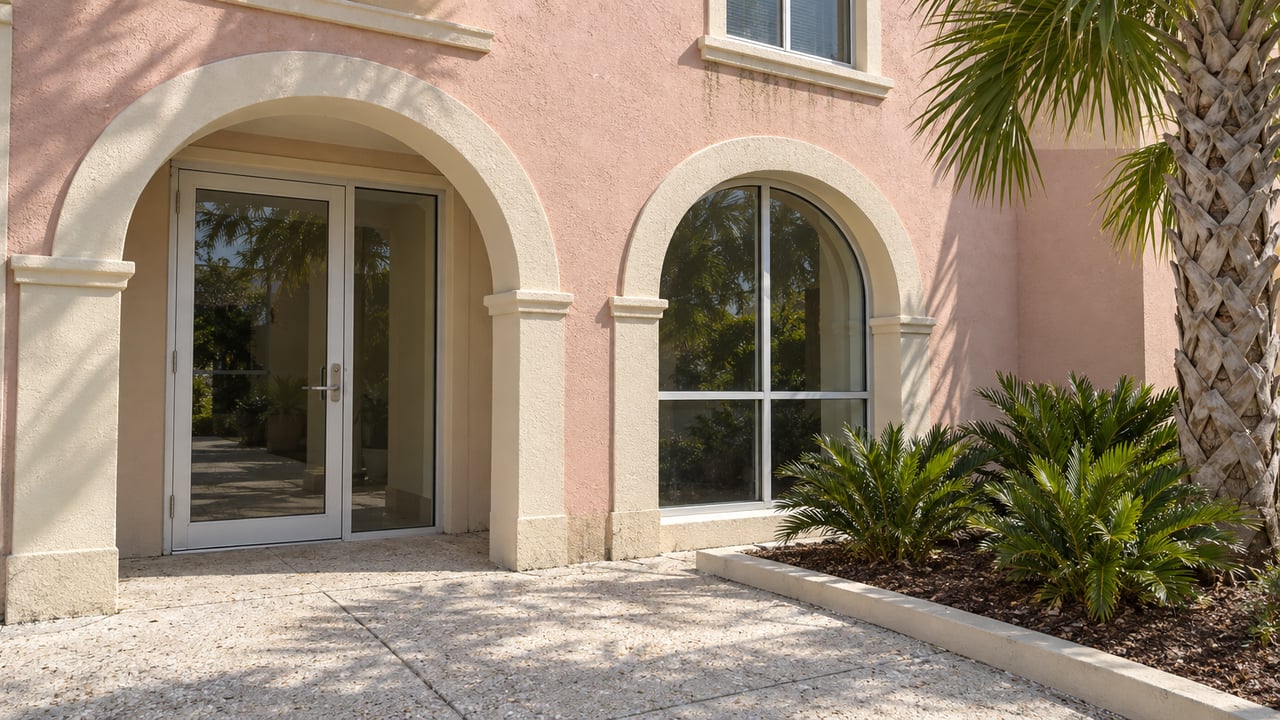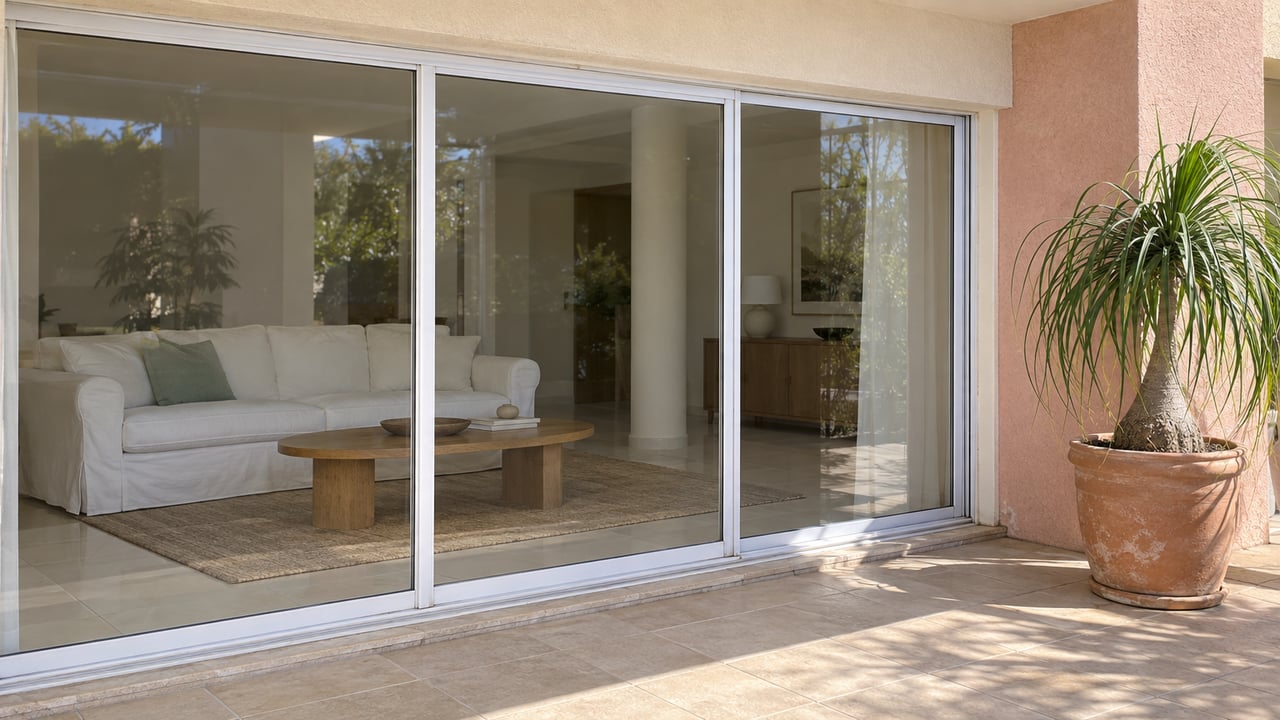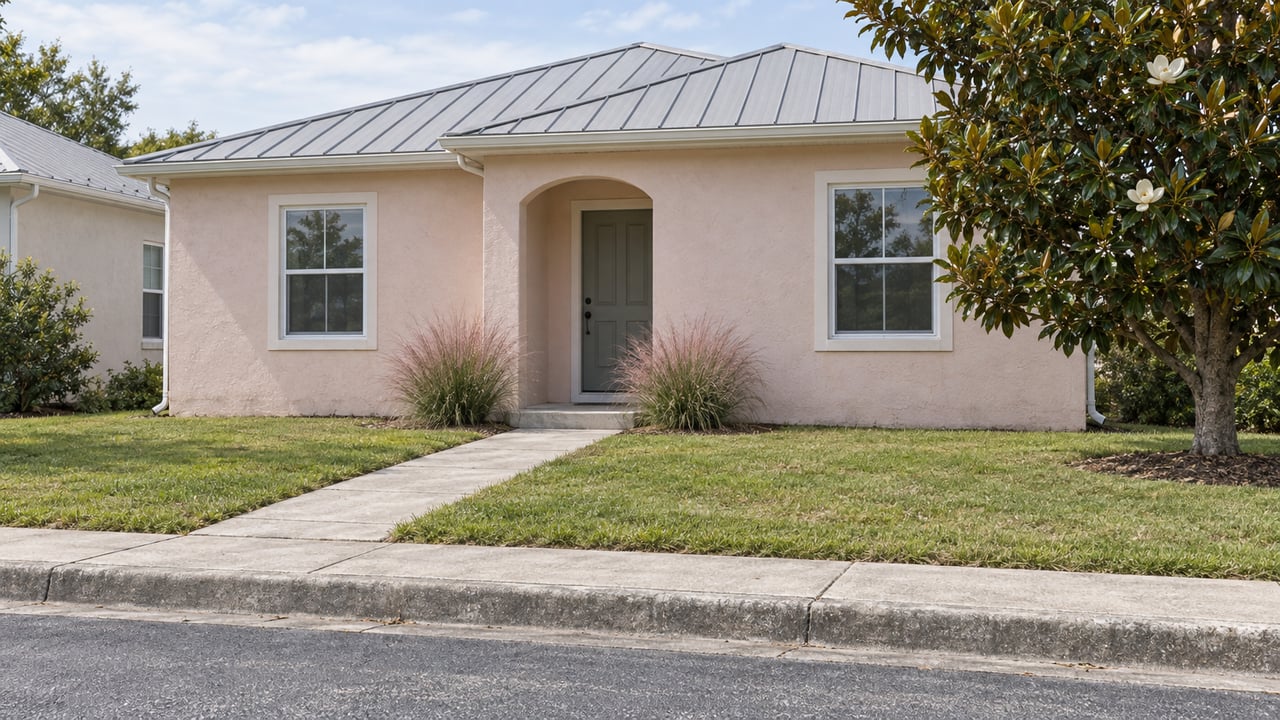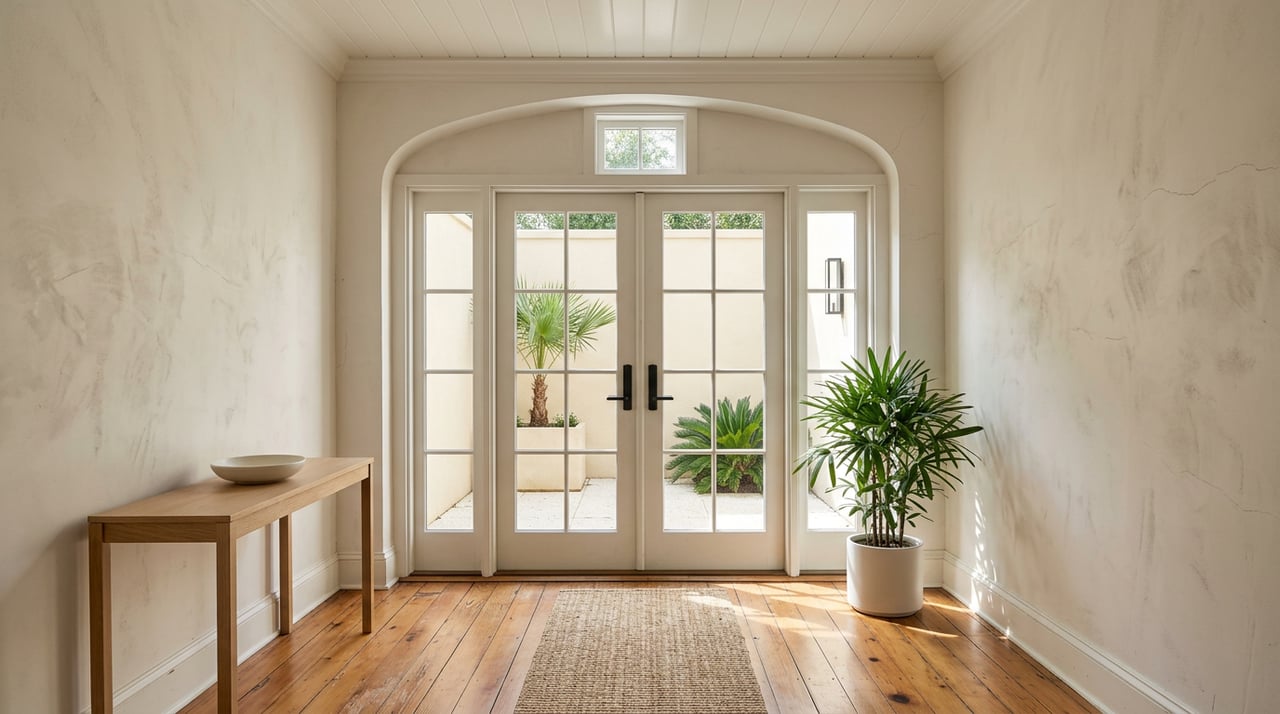
Torn between a centuries-old cottage near the fort and a brand-new home with a three-car garage and resort-style amenities? You are not alone. Many buyers fall in love with St. Augustine’s charm, then wonder if newer homes in nearby communities might be a better fit. In this guide, you will compare lifestyle, costs, rules, flood considerations, and maintenance so you can choose with confidence. Let’s dive in.
Quick market snapshot
St. Augustine’s Old City sits within several National Register historic districts. The city actively reviews exterior changes in these areas through its preservation program and published design guidelines. If you plan to renovate, start by reviewing the city’s preservation resources to understand approvals and timelines. You can explore current guidance on the city’s Historic Preservation Updates page at the City of St. Augustine website.
For context, the St. Johns County median single-family sale price was about $546,500 in January 2026, according to a regional report. That countywide figure covers a wide range of neighborhoods and price points. Within planned communities like Nocatee, medians often track higher, and downtown historic pockets can vary widely by block and property type. Always validate current numbers before you make an offer.
Why choose the historic core
Lifestyle and architecture
If you value walkability, unique architecture, and a one-of-a-kind setting, the Old City delivers. You will find Spanish Colonial and Flagler-era influences, coquina and poured-concrete landmarks, and early 20th-century cottages on compact, highly walkable blocks. Coquina, a shell-rich limestone used in many historic buildings, is a signature local material that gives downtown its distinct look.
Rules and permits to know
Many exterior changes in designated historic areas require review. Depending on the building and scope, you may need a Certificate of Appropriateness and approval from the city’s review board. Plan for lead time. Design review, permit coordination, and contractor scheduling can add weeks or months to a project. If you are considering a purchase that needs work, make permit research part of your due diligence early.
Maintenance and typical issues
Historic homes often need specialized care. Common items include lime-mortar and coquina repair, attention to moisture and salt-air corrosion, and updates to older plumbing, electrical, and HVAC systems. The National Park Service recommends compatible lime mortars for coquina repairs rather than modern cement mixes, which can damage historic masonry. Expect regular WDO inspections, and factor crawlspace, roof, and foundation assessments into your inspections.
Flood and resilience
Much of downtown sits in or near FEMA floodplains, and the city acknowledges recurring risks from storm surge and rising water tables. The City of St. Augustine provides flood guidance tailored to historic properties, including adaptation ideas like wet or dry flood-proofing of lower levels and careful design of ground-floor spaces. For any address you consider, request an elevation certificate if available and obtain flood-insurance quotes early.
Why choose new construction
Lifestyle and features
Just north and west of the historic core, master-planned communities such as Nocatee, Palencia, and other St. Johns neighborhoods offer modern convenience. You will typically see open floor plans, attached garages, energy-efficient systems, and community amenities like pools, trails, and clubhouses. The tradeoff is less historic character in exchange for predictability, space, and lower near-term maintenance.
Building codes and warranties
New homes in Florida are built to the current Florida Building Code, with enhanced wind and energy requirements that took effect in 2024. Many builders incorporate impact-rated windows and doors, engineered roof attachments, and efficient HVAC systems. Industry practice often includes a one-year workmanship warranty, a two-year systems warranty, and a transferable 10-year structural warranty. Always read the builder’s warranty documents closely.
Insurance and maintenance
Even with new construction, you should expect routine upkeep and budgeting for HOA fees where applicable. Newer homes built to modern codes may qualify for wind-mitigation credits on homeowner insurance. Flood exposure is still property specific, so verify the flood zone and request quotes. FloodSmart provides helpful guidance on obtaining coverage and understanding your options.
Cost, time, and budgeting
Updating a historic home can range from modest cosmetic changes to full systems upgrades. Planning resources suggest wide price ranges by scope, and specialized preservation work can cost more. As a planning approach, many buyers set aside a contingency for older homes and get multiple bids from contractors experienced with historic materials.
Custom or semi-custom new builds can take many months from contract to close, depending on builder backlog and permit timing. Buying a recently completed spec home can shorten the timeline but may limit your ability to customize finishes. Either way, align your timeline with your lease or sale and build in buffer time for permits and punch-list items.
Side-by-side takeaways
Historic core positives:
- Walkable, character-rich setting and unique architecture.
- Limited supply that can support strong resale with the right buyer segment.
Historic core considerations:
- Higher maintenance potential, specialized trades, and possible design-review steps.
- Flood and storm exposure in some pockets; parking and lot sizes vary.
New construction positives:
- Modern systems, lower near-term maintenance, and predictable layouts.
- Community amenities and straightforward owner rules through HOAs.
New construction considerations:
- HOA fees and rules; longer commute to the Old City from some areas.
- Higher purchase prices in amenity-heavy developments.
Due diligence checklists
For historic or downtown properties
- Structure and foundation: assess settlement, piers, or slab movement.
- Moisture and mold: inspect crawlspaces, attics, and lower levels.
- WDO: confirm recent inspections and any treatment history.
- Systems: evaluate electrical, plumbing, and HVAC capacity and age.
- Roof and historic materials: understand repair methods and costs.
- Flood risk: request an elevation certificate if available and obtain quotes; review the city’s flood guidance for historic buildings.
- Historic compliance: ask for the property’s review and permit history, including any Certificates of Appropriateness.
For new construction
- Warranties: get the builder’s full warranty package and confirm who administers structural coverage.
- HOA: review CC&Rs, fee history, reserves, and any special assessments.
- Inspection: schedule a professional home inspection and final-walk punch list.
- Insurance savings: order a wind-mitigation report and explore potential grant or inspection programs that may apply.
Which is right for you?
Choose the Old City if your top priorities are walkability, architecture, and being close to historic sites and waterfront parks. Choose newer communities if you want more space, modern systems, and neighborhood amenities with clearer maintenance expectations. Many buyers love both. If that is you, focus on property condition, flood profile, commute, and total cost of ownership. A clear side-by-side view of homes that match your goals will help the right choice stand out.
If you want a local, no-pressure guide to compare specific addresses, explore budgets, and understand flood and permit details before you bid, reach out to David Stanley. You will get data-backed advice and a plan that fits your timeline and lifestyle.
FAQs
What permits apply to renovating a historic home in St. Augustine?
- Many exterior changes in designated historic areas require review and a Certificate of Appropriateness through the city’s preservation program. Start with the City of St. Augustine’s Historic Preservation Updates page for current processes and timelines.
Are historic homes in downtown St. Augustine in a flood zone?
- Many downtown properties are in or near FEMA floodplains. The city provides flood guidance for historic buildings that outlines mitigation options and planning steps. Request an elevation certificate and written flood quotes during due diligence.
How do current Florida building codes help new homes in storms?
- The 2023 Florida Building Code increased wind and energy standards. Many builders use impact-rated openings and engineered roof systems, which can improve resilience and may support insurance credits.
What warranties come with new homes in St. Johns County?
- Industry norms often include a one-year workmanship warranty, two-year systems coverage, and a 10-year structural warranty, sometimes through a third-party administrator. Always review the builder’s specific documents.
What are typical costs to update an older St. Augustine home?
- Costs vary by scope. Planning resources show cosmetic updates can be modest while full system overhauls and specialty repairs can reach tens to hundreds of thousands. Get multiple bids from contractors experienced with historic materials.
What is the current median home price in St. Johns County?
- A regional report placed the median single-family sale price near $546,500 in January 2026. Prices vary widely by neighborhood and property type, so request up-to-date data when you shop.
City of St. Augustine Historic Preservation Updates
NEFAR January 2026 market report
What coquina is and why it matters
City flood guidance for historic properties
Florida Building Code 2023 overview
Flood insurance basics and benefits
Ready to compare specific homes side by side and run a true total-cost picture before you buy? Let’s talk. Connect with David Stanley for local guidance, data-backed advice, and a plan that fits your goals.