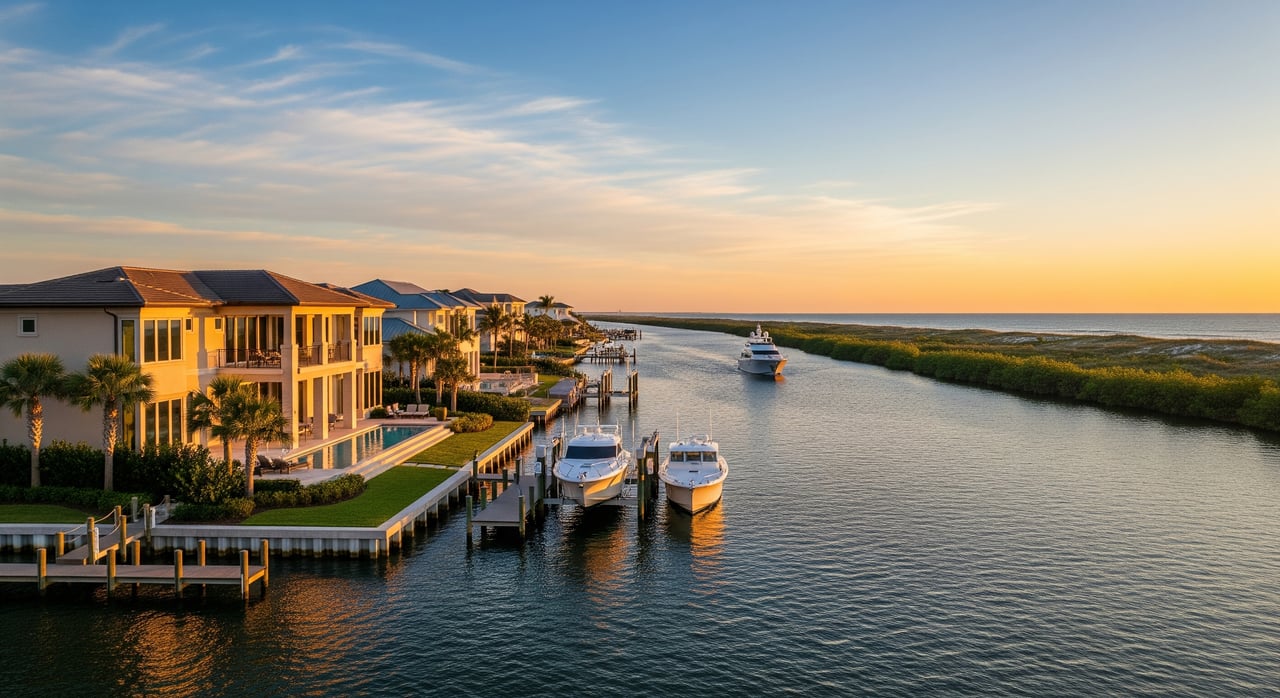
Waterfront dreams in Palm Coast come in three clear choices: canal-front, Intracoastal, or oceanfront. Each option delivers a different lifestyle, set of costs, and level of maintenance. If you want smooth boating, beach views, or the best value, knowing the trade-offs helps you buy or sell with confidence. This guide breaks down how each type works in Flagler County, the due diligence to do, and smart next steps. Let’s dive in.
Palm Coast waterfront at a glance
Canal-front. These homes sit on man-made or improved canals in planned neighborhoods. You often get a private dock and calm water. Depth, width, and tidal connection vary by canal.
Intracoastal Waterway. The Atlantic Intracoastal Waterway is a federally maintained navigation channel that runs along Florida’s east coast. ICW properties offer protected, navigable water with access for larger boats and easy north–south travel.
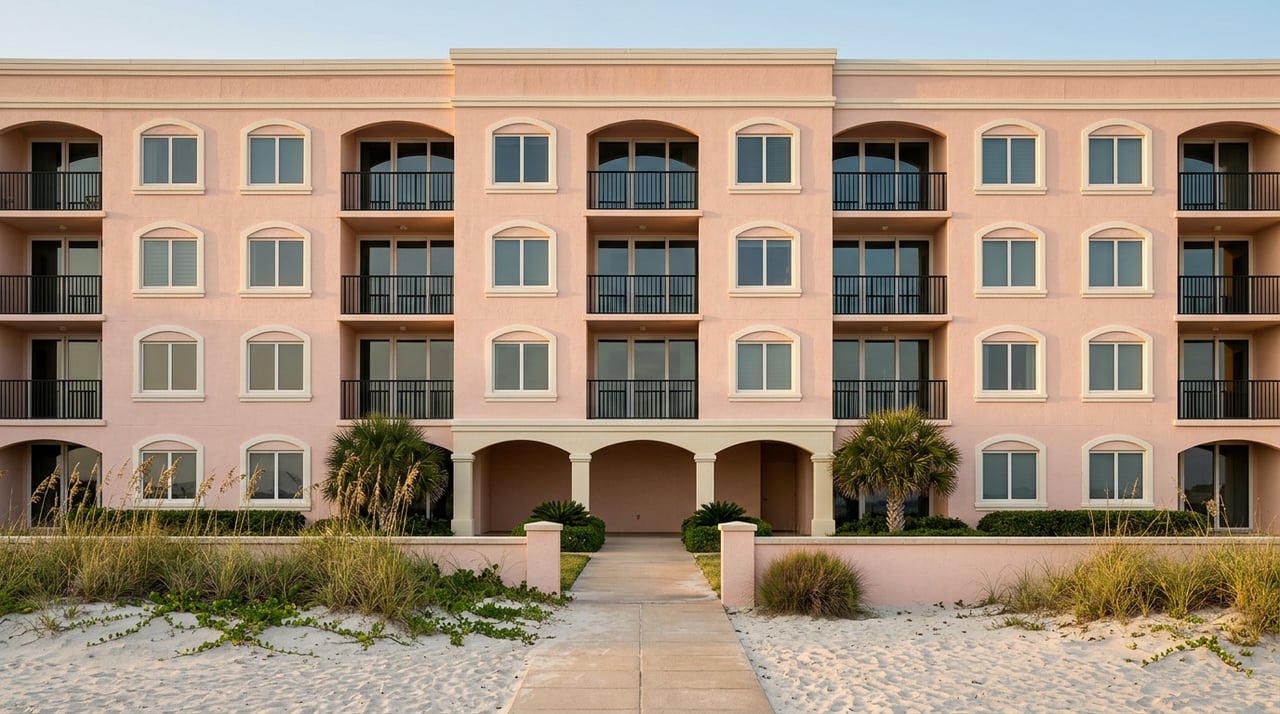
Oceanfront. These homes sit directly on the Atlantic Ocean with open-water views and beach access. You also get the highest exposure to waves, tides, and storm surge.
Lifestyle differences you will feel
Boating and access
If you own a larger boat, the ICW is the most convenient option. Many ICW parcels support private docks and quick access to marinas and services. Oceanfront homes offer direct ocean proximity, but launching and docking larger vessels is usually done via the ICW and nearby inlets.
Canal-front homes often allow private docks and lifts at a lower entry cost than ICW or oceanfront. Boat size depends on canal width and depth, any fixed bridges, and tidal conditions. Always verify depth at mean low water and any bridge clearances on the route to the ICW.
Beach, views, and vibe
Oceanfront delivers panoramic views and immediate beach living. ICW offers wide-water views and an active boating scene without surf exposure. Canals provide quiet water, neighborhood living, and a private dock-centric lifestyle.
Day-to-day upkeep
All waterfront comes with shoreline care. Many properties have seawalls or bulkheads that need regular inspection and, at times, repair or replacement. HOAs can regulate docks, lifts, lighting, and exterior changes, so you should review community rules before you commit.
Cost, demand, and resale
Oceanfront is typically the highest priced per unit due to scarcity and views. ICW homes often follow, thanks to navigable, protected water and strong appeal to boaters. Canal-front pricing varies the most, driven by canal depth and width, proximity to the ICW, seawall condition, and neighborhood features.
At resale, oceanfront can be resilient but may have a smaller buyer pool at higher price points and can be more sensitive to insurance costs. ICW properties tend to have broad appeal among boat owners and good resale prospects if docks and access are in top shape. Canal-home resale depends on canal usability, seawall condition, and whether there is straightforward access to larger waterways.
Flood, storm surge, and insurance
Waterfront in Flagler County faces coastal hazards, but exposure differs. Oceanfront has the highest direct exposure to storm surge, waves, and erosion. ICW homes can still see significant surge during storms. Canals are vulnerable to surge and local flooding based on elevation and flood zone.
Confirm the FEMA flood zone for any property. Homes in Special Flood Hazard Areas, such as AE or VE, may require flood insurance if you carry a mortgage. Oceanfront parcels in VE zones can face higher premiums and more stringent building requirements. In Florida, standard homeowners insurance typically excludes flood, so you should obtain flood quotes early along with wind coverage options.
Permits and rules to plan for
Oceanfront projects often fall under Florida’s Coastal Construction Control Line program, which can require additional reviews for building or major improvements. Docks, seawalls, and any work below the mean high water mark usually involve permits through local building departments and environmental agencies. Seasonal protections for species like sea turtles and manatees can shape work windows.
Before you make an offer, check permit history for docks and seawalls, whether permits are transferable, and any outstanding approvals or compliance items. Early clarity helps you avoid delays and surprise costs.
Canal-home checks specific to Palm Coast
- Depth and dredging. Ask for the canal’s depth at mean low water and the last dredging date. Confirm any planned dredging projects or special assessments.
- Connectivity. Map the route to the ICW or open water, and confirm any fixed bridges or tidal constraints.
- Seawalls. Review age, condition, and maintenance history. Obtain quotes if replacement seems likely.
- HOA rules. Check CC&Rs for dock size, lifts, lighting, and exterior standards.
Oceanfront considerations in Flagler County
- Erosion and dunes. Expect dune management needs and heightened exposure to storms. Budget for ongoing shoreline care.
- Flood and wind coverage. Get early quotes for flood and wind insurance, including hurricane deductibles.
- CCCL reviews. Plan for added steps on new construction or significant remodels near the dune line.
Intracoastal insights for boaters
- Navigable, protected water. The ICW supports larger boats and through-navigation north and south.
- Private docks. Many parcels allow docks, lifts, and convenient access to marinas and services. Verify permits and any local restrictions.
- Storm surge. While protected from surf, ICW parcels can still experience high water during storms, so elevation and flood zone matter.
Quick comparison checklist
- Canal-front
- Pros: Often more affordable entry to dock ownership, quiet water, private docks common.
- Trade-offs: Boat size may be limited by depth or bridges, canal maintenance and siltation vary by location.
- Intracoastal
- Pros: Protected navigation for larger boats, strong resale appeal to boaters, private docks common.
- Trade-offs: Higher price than canals in many cases, storm surge risk still present.
- Oceanfront
- Pros: Panoramic views and beach lifestyle, rare and highly desirable.
- Trade-offs: Highest exposure to waves and erosion, stricter permits and often higher insurance costs.
A 10-step due diligence plan
- Confirm the waterfront type and whether frontage is private or shared.
- Inspect the dock and seawall condition and request permits and as-built plans.
- Verify canal depth, last dredging, and any bridge clearances on the route to the ICW.
- Pull FEMA flood zone data and obtain an elevation certificate if needed.
- Get early quotes for homeowners, wind, and flood insurance.
- Check utility status, including sewer versus septic, and drainage details.
- Review HOA rules for docks, lifts, lighting, and exterior changes.
- Ask for recent comparable sales for the same waterfront type.
- Confirm recent permit history with local agencies for shoreline work.
- Ask about planned public works, such as dredging or bulkhead projects, and any special assessments.
When each option fits best
- Choose canal-front if you want a private dock lifestyle at a more approachable price point and you are comfortable verifying canal depth and access.
- Choose Intracoastal if boating is central to your life, you own a larger vessel, and you want protected water with strong resale appeal.
- Choose oceanfront if beach living and views are your top priorities and you accept higher exposure, permitting steps, and insurance costs.
Work with a local waterfront advisor
Palm Coast and Flagler County waterfront is both rewarding and nuanced. The right choice depends on your boat needs, insurance comfort, maintenance expectations, and long-term plans. A local, data-driven approach helps you compare options by canal, neighborhood, and flood zone.
If you want a clear plan to buy or sell with confidence, reach out to David Stanley. You will get hyperlocal guidance, pricing intel, and a tailored strategy to navigate canals, the ICW, or the oceanfront.
FAQs
Which Palm Coast waterfront type usually costs the most?
- Oceanfront typically commands the highest price due to scarcity and views, followed by Intracoastal, with canals varying based on depth, access, and seawall condition.
How do I know if my boat fits a canal property?
- Verify canal depth at mean low water, measure any fixed bridge clearances on the route to the ICW, and review HOA or permit limits on dock and lift size.
Do oceanfront homes need special permits in Flagler County?
- Many oceanfront projects fall within Florida’s Coastal Construction Control Line, which can require added reviews, along with separate permits for any work near or below the high water line.
Will I need flood insurance for a Palm Coast waterfront home?
- If the structure is in a Special Flood Hazard Area, lenders usually require flood insurance, and premiums depend on flood zone and elevation, with VE zones often costing more.
Are canals more prone to water-quality or silt issues?
- Man-made canals can experience siltation and reduced flushing, so you should check dredging history, planned maintenance, and any community assessments before you buy.