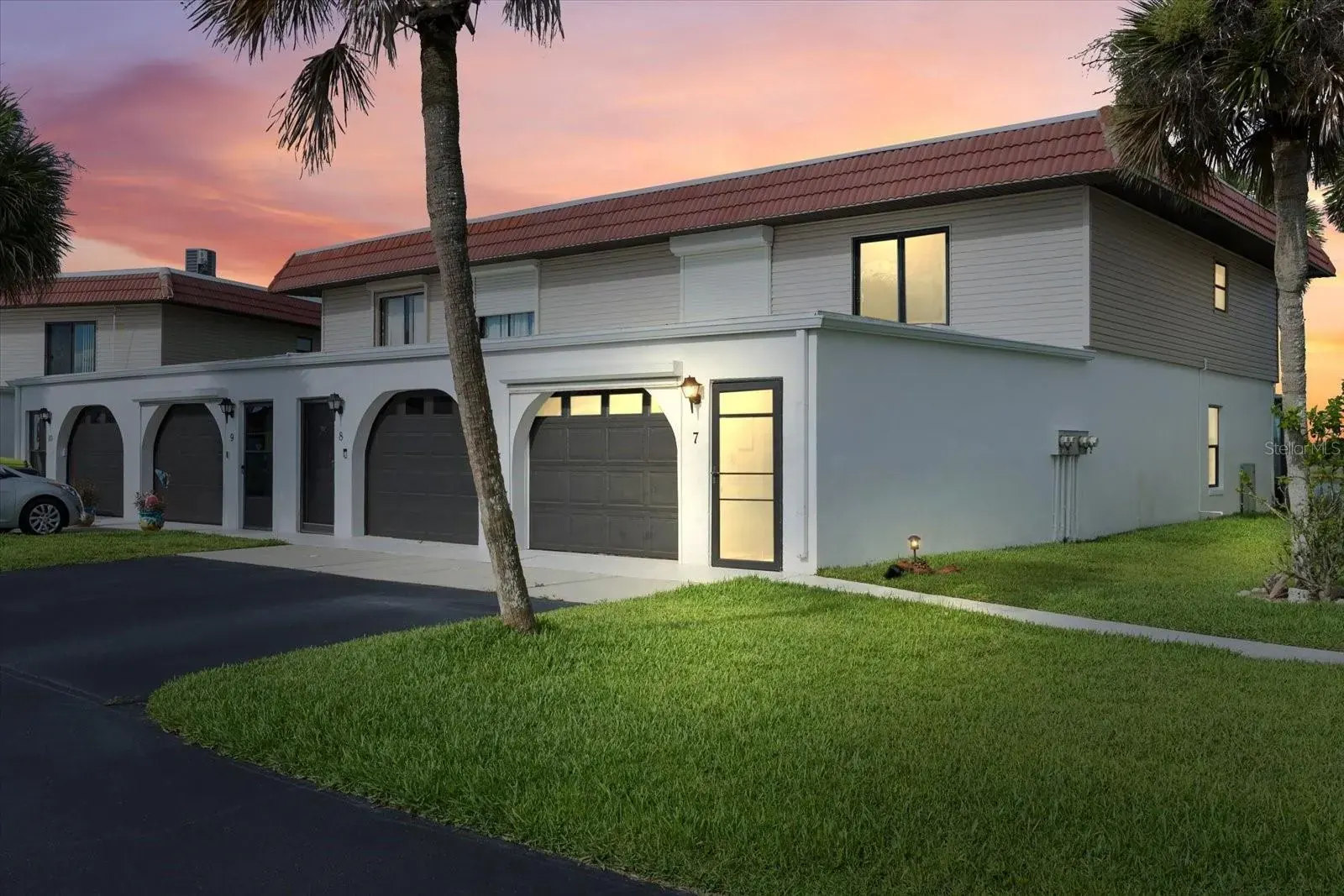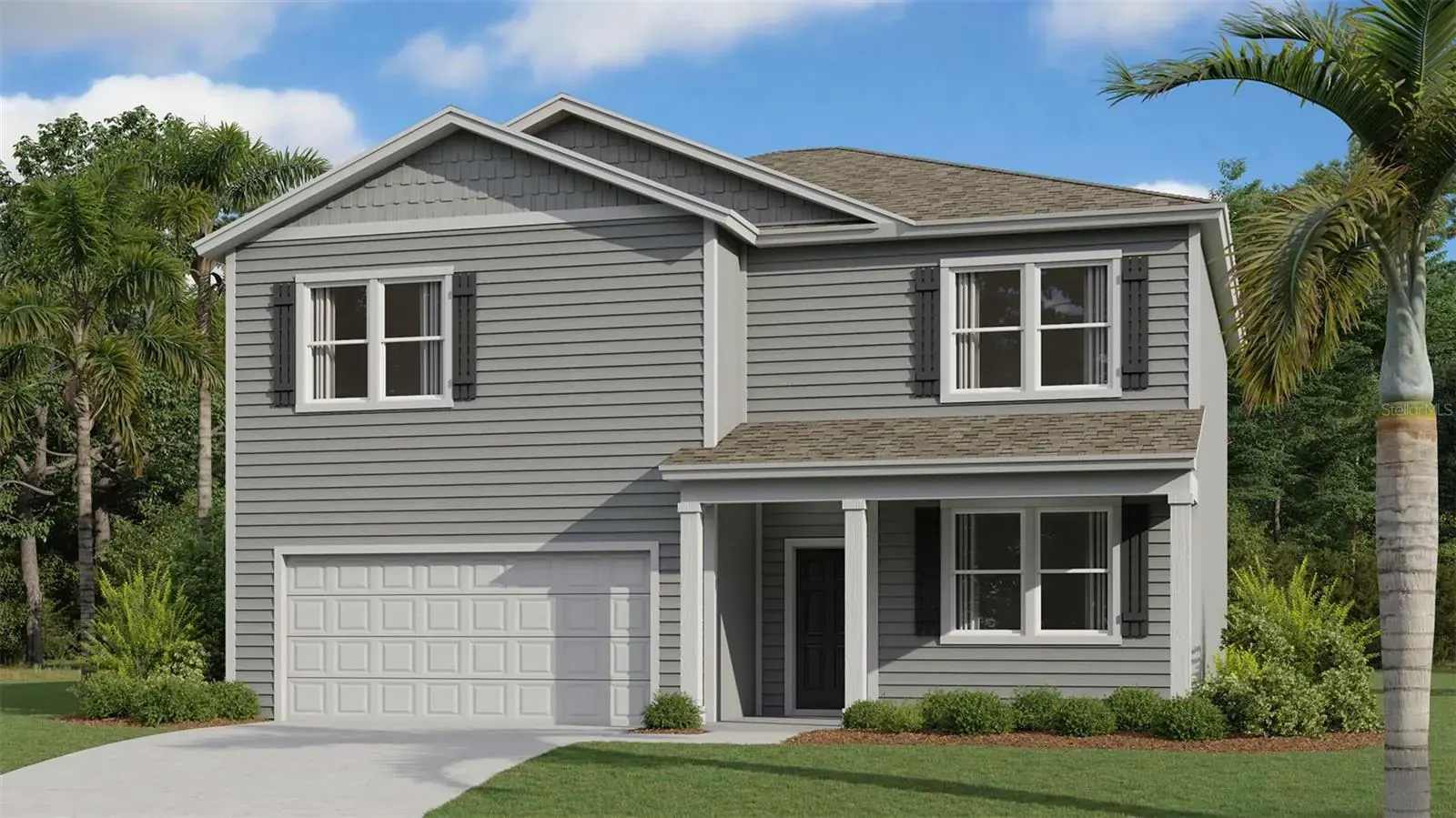
Thinking about a brand-new home in St. Augustine? Many buyers walk into a model, fall in love, and sign before they realize the contract, options, and timelines are written for the builder’s benefit. You want the coastal lifestyle without costly surprises.
In this guide, you’ll learn how a dedicated buyer’s agent protects your interests with new construction in St. Augustine and greater St. Johns County. You’ll see where buyers gain leverage, what to watch in builder contracts, how to handle inspections and warranties, and which local resources help you verify flood, permits, and title details.
New construction in St. Augustine
New homes around St. Augustine range from master-planned communities and gated neighborhoods to custom builds on select lots near town. Demand comes from lifestyle buyers, relocations, and retirees. Supply and price vary by community, lot size, and proximity to the coast or historic district.
Coastal locations add practical factors. Local building codes include hurricane wind-resistance and elevation requirements that can affect costs and timelines. Flood risk near the Intracoastal and beaches may influence insurance, foundation design, and long-term ownership costs.
Coastal factors to evaluate
- Flood zones and elevation. Check official FEMA maps early using the FEMA Flood Map Service Center and request elevation certificates when available.
- Permitting timelines. County review and inspections can affect completion dates. Track status with the St. Johns County Building Department.
- Insurance. Ask your lender and insurer for quotes that reflect wind and flood considerations for your specific lot.
Why you need your own agent
The friendly person in the model home represents the builder, not you. Their legal duty is to the seller, and they will not protect your negotiating position or advise you against terms that favor the builder. A buyer’s agent is your advocate.
Protect your interests
Your agent keeps your goals and budget at the center. They advise on tradeoffs, protect confidentiality, and help you avoid clauses that limit your rights.
Compare price and value
A buyer’s agent helps you weigh base prices, lot premiums, and upgrades against nearby communities and local resale values. This perspective helps you avoid overpaying for features that will not hold value.
Negotiate meaningful incentives
Builders often offer credits, rate buydowns, appliances, or upgrade packages. Your agent knows when sales velocity or inventory gives you leverage and negotiates to lock in written incentives that actually reduce your bottom line.
Manage contracts and timelines
New-build contracts use builder forms with unique terms. Your agent reviews addenda, option deadlines, deposit schedules, change-order rules, and completion allowances. They track milestones and paperwork so you meet every requirement on time.
What your agent handles locally
Contracts and clauses to watch
Builder agreements may include large deposits, limited termination rights, liquidated damages, and completion date disclaimers. Warranties are often addressed in a separate document. Your agent ensures you get the full package for review, including HOA documents, soil or geotechnical reports if provided, and all addenda. If questions arise, they can refer you to a Florida real estate attorney for legal interpretation.
Permits, codes, and inspections
Local code requirements for wind and elevation can shape your build and insurance. Your agent monitors builder timelines and coordinates independent inspections at key stages. You can confirm permitting processes with the St. Johns County Building Department.
Flood, elevation, and insurance
Many St. Augustine-area parcels sit in flood-prone zones. Your agent helps you verify flood status on the FEMA Flood Map Service Center, request elevation certificates, and secure insurance quotes early. For parcel details and tax data, use the St. Johns County Property Appraiser.
HOAs, fees, and surveys
Most new communities have HOAs with covenants and architectural rules. Your agent requests covenants and budget documents, clarifies dues and restrictions, and confirms who pays utility connections or impact fees. They also coordinate a final lot survey to confirm setbacks, easements, and buildable area before closing.
Title and liens
Your agent ensures title work is complete and checks for issues like unpaid subcontractor liens. You can search public records through the St. Johns County Clerk of Court.
Inspections, warranties, and walk-throughs
Independent inspections
Even new homes need inspections. Best practice is to schedule a pre-drywall inspection, a rough mechanical check if feasible, and a final inspection. Your agent recommends inspectors experienced with new construction and coordinates access and scheduling.
Warranties and what they cover
Builders offer warranty packages for workmanship, systems, and structural items on varying timelines. Your agent makes sure you read both the contract and the warranty document, understand claim procedures, and know the deadlines for reporting issues.
Punch lists and completion
During your final walk-through, you will document incomplete or defective items on a punch list. Your agent attends, helps you capture details, and follows up so repairs are completed as agreed, either before or after closing according to the contract.
Who pays the buyer’s agent
In many new-construction deals, the builder offers compensation to buyer brokers. You should confirm in writing who pays the commission and whether any offer affects pricing or incentives. Your agent will disclose compensation and ask you to sign a written buyer agreement before you tour homes together, which REALTOR® MLS rules have required since August 2024. For general consumer guidance on closing and mortgages, the Consumer Financial Protection Bureau is a helpful resource.
Quick buyer checklist for model-home visits
- Hire a local buyer’s agent experienced with new construction before you tour models or register with a builder.
- Request the entire contract package, including the builder warranty and HOA documents, and allow time for review.
- Confirm in writing how your agent is compensated.
- Check flood zones on the FEMA Flood Map Service Center and line up insurance quotes early.
- Schedule independent inspections at pre-drywall and final stages.
- Ask for a final lot survey and verify easements and setbacks.
- Verify builder timelines and remedies for delays in the contract.
- Get every promise in writing as an addendum.
- Research the builder’s track record in public records via the St. Johns County Clerk of Court.
Ready to explore new builds?
If a new home in St. Augustine is on your list, the right agent streamlines the process and protects your budget from the first model tour to the final punch list. Tap into local knowledge, practical negotiation, and a clear plan for inspections and warranties. Connect with David Stanley to start your new-construction search with confidence.
FAQs
Who does the builder’s on-site agent represent in St. Augustine new builds?
- The on-site agent represents the builder, not you; a buyer’s agent provides fiduciary advice, protects confidentiality, and negotiates on your behalf.
Will using a buyer’s agent increase my price on a new home?
- Builders often offer compensation to buyer brokers; confirm in writing how your agent is paid and how incentives or pricing are structured in your deal.
Can a buyer’s agent negotiate upgrades or credits with St. Johns County builders?
- Yes; your agent can seek price adjustments, appliance or upgrade packages, closing-cost credits, and rate buydowns, especially when engaged before you register with the builder.
Do I still need inspections on brand-new construction?
- Yes; independent inspections at pre-drywall and final stages help catch issues early and document items for warranty claims that builder teams might miss.
How do I verify flood risk for a lot near the coast in St. Augustine?
- Start with the FEMA Flood Map Service Center, request an elevation certificate if available, and get insurance quotes early to understand long-term costs.
Where can I check permits, property data, or public records in St. Johns County?
- Use the St. Johns County Building Department for permits, the Property Appraiser for parcel and tax data, and the Clerk of Court for records and liens.
Where can I read more about buyer representation and real estate guidance?
- The National Association of Realtors covers buyer representation basics, and the Consumer Financial Protection Bureau offers mortgage and closing guidance.
New articles by email
Get my new articles every Saturday
One short email a week with what I posted: Palm Coast news, local events, community guides and the market. No new articles, no email.

About the Author
David Stanley is a Broker Associate with CENTURY 21 Fine Homes & Estates Realty Exchange and has lived in North Florida for 23 years. A former Flagler Beach Ocean Rescue lifeguard and firefighter, he has closed over $60 million in Palm Coast-area sales.
More about David · Pick a time to talk